
Daniel Salzler No. 1358 EnviroInsight.org Seven Items May 15, 2026
—————Feel Free To Pass This Along To Others——————
If your watershed is doing something you would like others to know about, or you know
of something others can benefit from, let me know and I will place it in this Information .
If you want to be removed from the distribution list, please let me know.
Please note that all meetings listed are open.
Enhance your viewing by downloading the pdf file to view photos, etc.
The attached is all about improving life in the watershed through knowledge.
If you want to be removed from the distribution list,
please let me know. Please note that all meetings listed are open.
Check our website atEnviroInsight.org
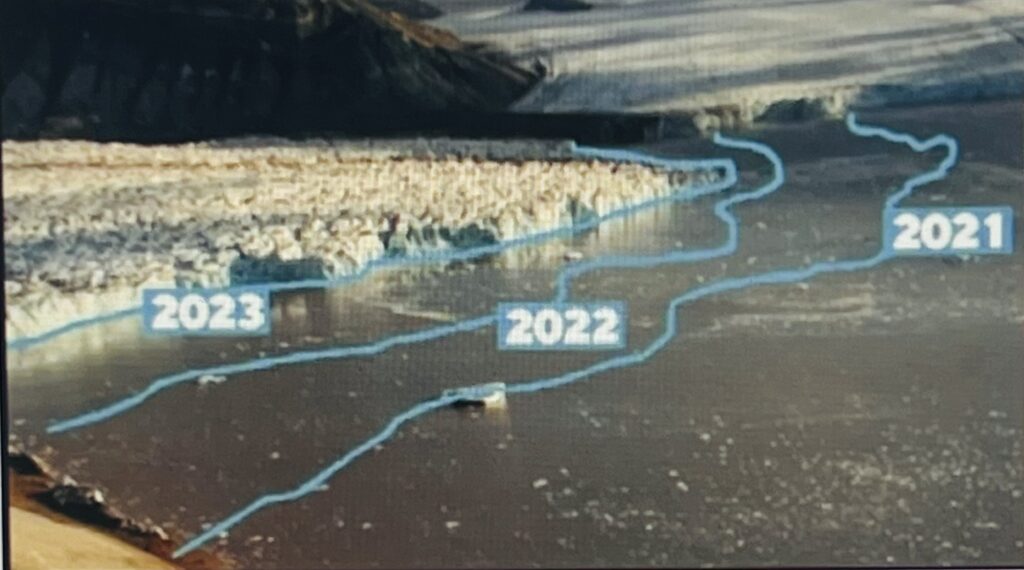
1. Why Sea Level Rise Is Suddenly Worse. Coastal sea levels around the world are actually about a foot higher than we thought, a new study suggest. That means hundreds of millions more people are at risk of being submerged as climate change makes the levels rise even higher. When researchers analyzed 385 peer review reviewed papers on sea level rise from the past 15 years, they found that 90% of them relied solely on a model that estimated sea height by comparing old satellite maps with earth, gravitational field, and rotation, and that doesn’t count tides, winds, ocean current, temperature, or salinity. That method was once considered the gold standards says study co-author Philip Minderhoud of the Netherlands Wageningen University, but for truly reliable data and model needs to be combined with current real world satellite measurements. He calls the reliance on the so-called geoid model alone a ”methodological blind spot” that has led to widespread underestimations. Correcting for this oversight, his study found that coastal sea levels are an average of a foot higher, but in certain region – Southeast Asia and parts of the Pacific – they’e as much as 3 feet higher. By the end of the century, 37% more land could be submerged than the current estimate suggest.
Simply put, if the sea level in reality is higher for your particular island or coastal cities, than was previously assumed., “Minderhoud tells CNN. ‘the impact from sea level rise will happen sooner than projected.” Source.: The Week magazine.
2. Lake Powell Forecast Worsens, On Track For Worst Year On Record, Forecasters Say. The outlook for Lake Powell keeps getting worse.
The latest water supply forecast for the nation’s second largest reservoir dropped by 600,000 acre-feet from last month’s projections. The Colorado Basin River Forecast Center now expects Powell will only receive 800,000 acre-feet of water — or roughly 13% of its average.
That would be the lowest flow into Lake Powell on record, Cody Moser, forecaster with the center, said Thursday. The current record low happened in 2002, when Powell received 964,000 acre-feet, he added.
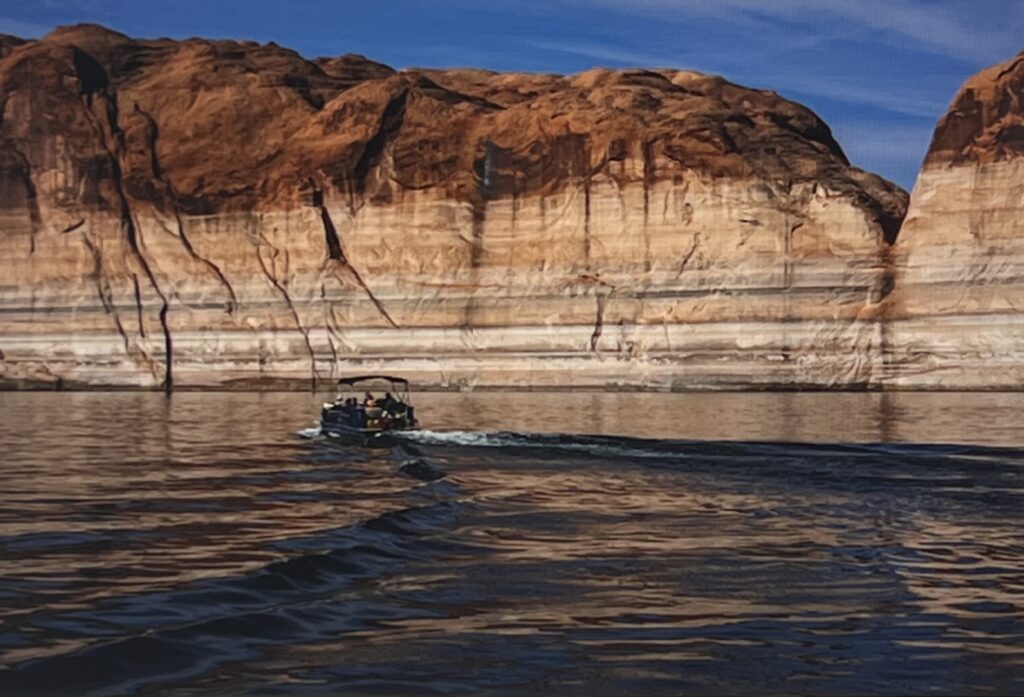
After a record-hot March and early peak runoff, Powell has already received about half of that forecasted water supply as of May 6, Moser said.
Lake Powell currently sits at 3,526 feet in elevation.
Moser said the center’s forecast doesn’t include water thatthe Bureau of Reclamation plans to release from Flaming Gorge this year to prevent Lake Powell from reaching minimum power pool — the level at which Glen Canyon Dam can no longer produce hydroelectric power or sustainably send water downstream to Arizona, California, Nevada and Mexico.
After a reluctant approval from Utah, Colorado, New Mexico and Wyoming on April 21, Reclamation finalized a Drought Response Operations Plan that includes releasing between 660,000 to 1 million acre-feet of water from Flaming Gorge to prop up Powell.
The center forecasts that Flaming Gorge will receive 380,000 acre-feet of water between April and July. That would be 39% of average water supply and the seventh lowest inflow on record.
It’s unclear whether or not the drought response releases from Flaming Gorge — and a 1.48 million acre-feet that the bureau plans to keep in Lake Powell that would normally be sent downstream — will be enough to prevent the reservoir from falling to minimum power pool at 3,490 feet of elevation. Reclamation said it will know more when it releases its 24-month study next week. Source: The Salt Lake Tribune
3. Low Colorado River Levels In Yuma Raise Water Fears. People who depend on the Colorado River in southwest Arizona say they’re worried the unusually low water they’re seeing right now could be a warning of what’s ahead.
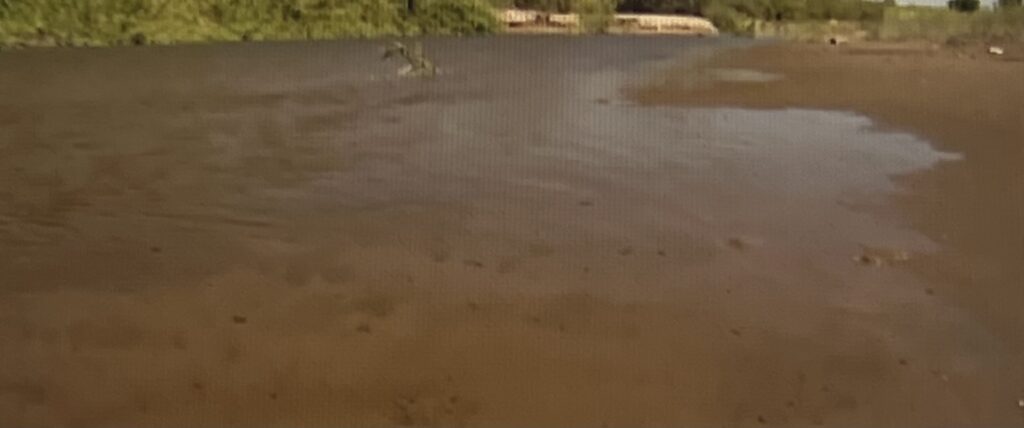
In one section of the river as it runs through Yuma, the water level was the lowest it had ever been — a striking change for residents who say the river looked very different just days ago. The low levels come as Arizona and other Lower Basin states scramble to head off what could be catastrophic water shortages in Lake Powell and Lake Mead.
Visitors who have been coming to the river for years said they were surprised by what they saw.
“Just a couple of weeks ago, the river looked very lively, but now it’s just drying up,” one person said. “It’s a very sad sight to see.”
While the river isn’t actually drying up — at least not yet — what people are seeing in Yuma is real, and it’s happening as the seven Colorado River Basin states continue working to reach an agreement on a plan to preserve the river long term.
Arizona Gov. Katie Hobbs was in Yuma this week and spoke about the latest effort to avoid deep water cutbacks. Hobbs said negotiations have been underway for months.
“The alternative otherwise will be putting the brunt of all Colorado cuts on Arizona, and we just can’t afford that,” Hobbs said.
But the clock is ticking, and people along the river say the changes feel alarming, especially for communities and agriculture that rely on the river and the canal systems fed by it.
Water levels are expected to rise again as the system of dams and reservoirs upstream is adjusted but people we spoke with said they don’t like what they’re seeing and worry it may be a glimpse of future conditions if long-term solutions aren’t reached. Source: KTVK/KPHO May 7, 2026
4. Five Tips For Selecting A Tree For Your Yard. Spring time is a good time to plant trees and shrubs around your yard, especially if they have been grown in pots prior to planting in the ground. The right choice of tree delivers decades of shade, beauty and wildlife benefits, but success starts with smart selection.
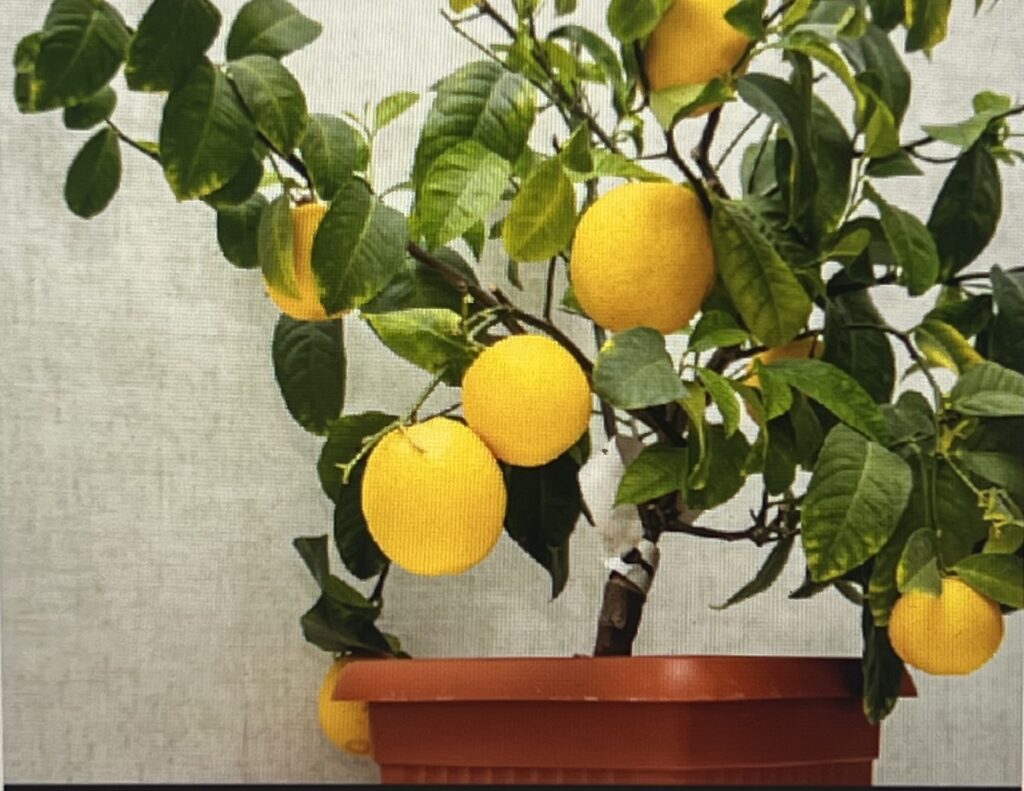
1. Start with your site. Look beyond hardiness zones. Consider sun exposure, soil type, drainage, and weather extremes. The better you understand your conditions., the better your tree will thrive.
2. Plan for mature size. That sapling will grow. Check height and spread of mature trees and allow space away from roofs, utilities, sidewalks, and driveways.
3. Choose with purpose. Decide what you want your tree to do.- provide shade, create privacy, support wildlife, or conserve water – and let function guide your choice.
4.Think roots and maintenance. Tree roots need space to grow and some trees have higher care needs. Pick a species that fits both your space and your schedule.
5. Do your homework and don’t just settle for what’s available. Research native and climate-resilient trees suited for your area. They are more likely to thrive and support local ecosystems long-term.
For more information visit: arborday.org/simple-tips Source: Arbor Day Magazine, May-June 2026.
5. Lower Basin States Advance Colorado River Stabilization Plan Through 2028. Water authorities from Arizona, California, and Nevada propose a comprehensive plan to stabilize the Colorado River through 2028, addressing ongoing drought and declining reservoir levels with conservation and infrastructure measures.
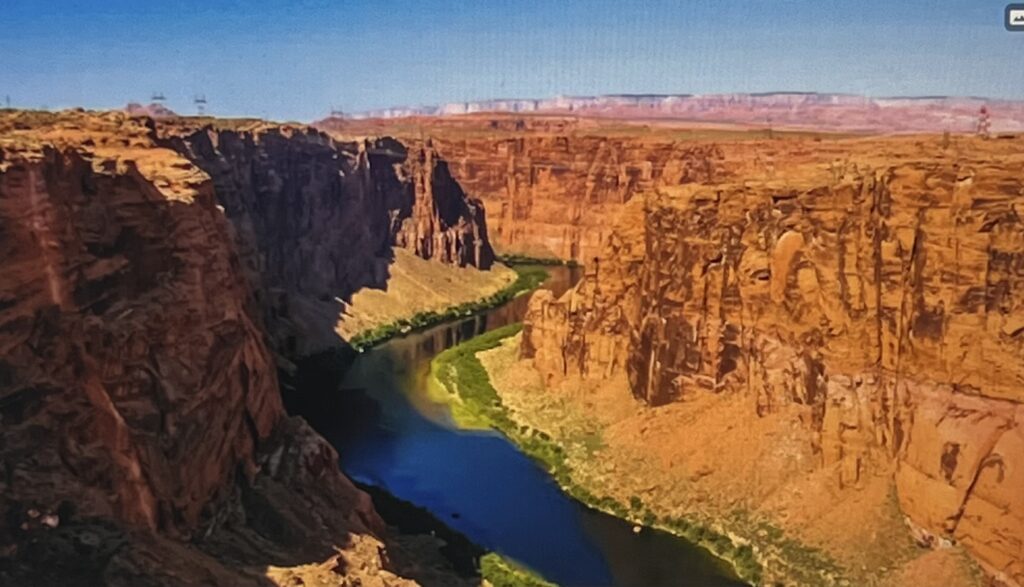
Water leaders in Arizona, California, and Nevada have unveiled a new proposal aimed at stabilizing the Colorado River system through 2028, as ongoing drought and declining reservoir levels continue to strain water supplies across the West.
The plan responds to record-low inflows at Lake Powell and heightened risk of critical elevations at both Powell and Lake Mead. It outlines a coordinated approach combining conservation, operational changes, and infrastructure measures to protect system reliability in the near term.
7. Tucson Says Project Blue Must Stop Using Tucson Water For Data Center Construction
Building on an earlier proposal calling for 1.5 million acre-feet in annual reductions—including contributions from Mexico—the updated framework identifies up to 3.2 million acre-feet in total water savings through 2028. This includes at least 700,000 acre-feet from an expanded Lower Basin conservation program.
The proposal integrates multiple elements, including adjusted releases from Lake Powell, Lower Basin reductions, use of intentionally created surplus, and system infrastructure improvements. State officials emphasized that contributions are tied to coordinated operations and federal funding support.
The Lower Basin states said the plan preserves legal accountability under the Colorado River Compact while providing a near-term “bridge” as negotiations continue on post-2026 operating guidelines. The proposal has been submitted to the federal government for consideration and will require approval from state and local governing bodies, as well as federal partnership, before implementation. Source: WaterWorld

6. The Fascinating Multiplicity Of Ants. Did you know there are at least 20 quadrillion ants of over 20,000 species on earth. It’s a lot to study and a new project called Antscan just made that progress much easier by creating a database of high resolution 3-D images of nearly 2200 specimens, using a synchrotron particle accelerator, which generates intense and tunable radiation for imaging atomic structures. Scientist in Germany x-ray scanned the bodies. They then used AI to reposition the images of the dead, somewhat shriveled ants into more natural poses. The scans go to micro scale and are so detailed that they will allow researchers to peer inside the tiny bodies, revealing brains, guts, and glands. Source: This Week magazine
7. Tucson Says Project Blue Must Stop Using Tucson Water For Data Center Construction
Contractor for Beale data center tapped into municipal water & transported it to Southeast Side building site.
City Manager Tim Thomure told Beale Infrastructure officials in an letter on Monday that Tucson does not support the construction of the data center and the project is not eligible for any city resources, including water.
Thomure noted that Mayor Regina Romero and the Tucson City Council voted unanimously to reject the project last year and he expressed astonishment that Project Blue contractor Ames Construction was using Tucson Water to control dust during work at the site on land near the Pima County Fairgrounds.
“To our amazement, we were alerted to the fact that your contractor obtained a construction meter from Tucson Water from within the Tucson Water service area and transported that water out of our service area for use on Project Blue site,” Thomure wrote Beale’s Brendan Gallagher. “This was completely unacceptable and was terminated by Tucson Water immediately.”
Thomure also warned Gallagher not to use city resources in the future.
“To be absolutely clear — the city of Tucson does not support the development of Project Blue,” Thomure wrote in the May 4 letter. “The city of Tucson will not provide any city resource, including our water supply, to be used for Project Blue. The city of Tucson is demanding that no further exploitation of our water supply be used by you, your contractors, their subcontractors, or any other entity with a connection to Project Blue.”
Thomure demanded that Beale also transfer water credits equal to 2 acre-feet at no charge to make up for the use of the city’s water. One acre-foot is enough water to cover an acre of land one foot deep — about 325,851 gallons.
The 2 acre-feet of water used was from Tucson Water’s drinking water system, not a reclaimed water line, city officials told the Tucson Sentinel.
The city discovered the use of the water after a resident asked where Ames Construction was getting the water it was using to control dust at the construction site. When staffers looked into the question, they discovered that Ames was tapping a city line, city spokesperson Andy Squire said.
Squire told the Sentinel that the city had not heard back from Beale yet. He added that the city will review legal and other options if officials do not get a response from Beale regarding the water use.
Construction companies can request temporary meters and tap into the Tucson Water system, which they often do to help control dust while grading and building, Squire said.
When construction meter permissions are granted, “it is expected that the water would be used inside the Tucson Water service area,” he said.
The Project Blue site lies outside that service area, and city officials specifically decided to not provide water for the data center.
“The city cannot speculate as to their motives to accessing water from our system when we had clearly rejected their use of our water resources for this project,” Squire said.
Beale Infrastructure did not immediately respond to questions, but a representative provided a statement after this report was initially published.
“The city issued a permit for temporary water per the normal course of business; our contractor followed standard procedure and will be billed accordingly,” the company said. “We are procuring construction water through an alternative source of non-drinking water. We direct any questions on the permit issuance to Tucson Water.”
The data center development had been quietly moving along in meetings behind closed doors before it became public knowledge last year. While city officials had been negotiating a deal that would have used reclaimed water to provide cooling for the project, public outcry forced Romero and her colleagues to nix the deal.
Beale Infrastructure received the necessary zoning to move forward with Project Blue last year from Pima County, which sold the developer the land for the project near the fairgrounds.
After the City Council rejected the idea of annexing the property and providing water service, Beale officials announced they would still build the data center, which would be air-cooled rather than water-cooled.. Source: The Tucson Sentinel, May 5, 2026
Copyright 2026@ EnviroInsight.org
