
Daniel Salzler No. 1353
EnviroInsight.org Seven Items April 10, 2026
—————Feel Free To Pass This Along To Others——————
If your watershed is doing something you would like others to know about, or you know
of something others can benefit from, let me know and I will place it in this Information .
If you want to be removed from the distribution list, please let me know.
Please note that all meetings listed are open.
Enhance your viewing by downloading the pdf file to view photos, etc.
The attached is all about improving life in the watershed through knowledge.
If you want to be removed from the distribution list,
please let me know. Please note that all meetings listed are open.
Check our website at EnviroInsight.org
1. Arizona Water Awareness Month (April 1st to 30th)
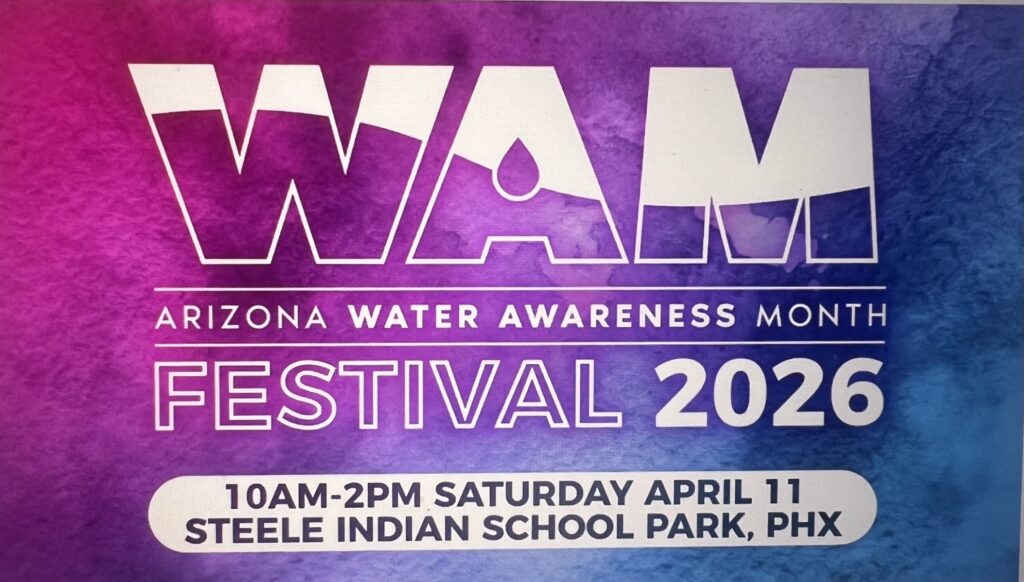
Attend the annual Water Awareness Month Festival hosted by the Arizona Department of Water Resources and Arizona Department of Environmental Quality. On Saturday, April 11 from 10 a.m. to 2 p.m., join us at Steele Indian School Park. There we will host activities, exhibits, displays and games all relating to water conservation in Arizona. This is a family friendly event where residents can engage directly with organizations and water providers. They will share information and resources. For more fun, meet Smokey Bear and explore the City of Phoenix Fire Department’s fire truck up close. While you’re there, grab a bite from local food truck vendors and enjoy more community fun. Don’t miss this exciting day celebrating all the ways Arizona makes every drop count!
Can’t make it to WAM? Here are places to find other water events in your area:
Arizona Project Wet Water Festival Calendar
City of Flagstaff Water Awareness Month Activities
And here other simple tips to consider:
Take shorter showers: Set a goal to keep your shower under 5 minutes. You’ll save water and energy and have more time to enjoy the day!
Fix leaks: Check for leaks in your home or in your outdoor systems, such as dripping faucets, running toilets, or leaky irrigation systems. A leaky faucet can waste more than 3,000 gallons of water per year. That’s why fixing them as soon as possible is essential.
Go meatless: Meat production requires a lot of water, so try going meatless for one day a week. You’ll not only save water but also reduce your carbon footprint.
Report Leaks to Your Water Provider: Report significant water losses from broken pipes, open hydrants and errant sprinklers to the property owner or water provider.
Explore other Ways to Conserve Water: Visit the AZ Water Facts page to learn more benefits and customized ways to save water.
Spread the word: Stay connected and keep the inspiration flowing! Follow the Arizona Department of Water Resources on social media – @azwatergov on Facebook and @azwater on X – for updates, insights, and ways to get involved.
You can also tap into even more water-saving ideas with Water – Use It Wisey. Follow @wateruseitwisely on social media. In addition, sign up for their monthly newsletter – and share your favorite water-saving tips with friends & family!
Check out the list of 100+ ways to conserve water. Every small action adds up! Source: AZ Dept of Water Resources
2. WRRC Water Webinar: Regional Water Supply Planning Update by City of Flagstaff 12:00 to 1:15 pm MST, April 22, 2026.
Erin Young, Water Resources Section Director, City of Flagstaff
Lee Williams,Water Services Director, City of Flagstaff
Kevin Black,Consultant to City of Flagstaff, MBARK Consulting LLC
Save the Date – More details coming soon!
Source: https://wrrc.arizona.edu/events/wrrc-water-webinar-regional-water-supply-planning-update-city-flagstaff
3. WIFA Opens FY 2027 Water Supply Development Revolving Fund Lending Cycle . Program offers low-cost financing for water supply development projects serving rural Arizona communities

PHOENIX – [April 2, 2026] The Water Infrastructure Finance Authority of Arizona (WIFA), has opened the Fiscal Year 2027 application cycle for the Water Supply Development Revolving Fund (WSDRF), making approximately $70 million in financing available to support water supply development projects across Arizona, particularly in small and rural communities outside the state’s major urban centers.
The WSDRF was created to provide a low-cost funding option for eligible water supply development projects and to help communities advance critical investments that strengthen local water resilience. Eligible applicants include water providers and other public entities organized under Arizona law.
For this funding cycle, WIFA will accept applications for projects that meet statutory eligibility requirements and are included on the Project Priority List. Eligible project types include acquiring water, water rights, or contracts for water augmentation, as well as planning, design, and construction for water delivery or conveyance, water storage or recovery, water reclamation, remediation and reuse, groundwater replenishment, stormwater recharge, and conservation projects that reduce water use or improve efficiency.
The application process is structured in two parts:
Step 1, Project Priority List Application
Due May 27, 2026
This initial application gives WIFA staff a high level overview of the proposed project so staff can assess eligibility, score and rank the project, and add eligible projects to the WSDRF Project Priority List.
Step 2, Project Finance Application
Due October 4, 2026
This submission provides detailed project information and demonstrates the applicant’s legal, technical, managerial, and financial capability.
Projects will be evaluated based on water demands, project benefits, feasibility, and financial need.
A WSDRF application workshop will be held on April 10, 2026 at 1pm. Join the virtual application workshop here. We encourage prospective applicants connect with WIFA staff early, attend the upcoming workshop, and take advantage of this opportunity to advance the projects most critical to their communities.
4. Significant Reductions Proposed For EPA And State Revolving Funds In FY27 Proposed budget changes aim to reduce federal involvement in water projects by cutting over $2.5 billion from SRFs and restructuring Superfund financing, emphasizing state-level management and funding of water infrastructure initiatives.
According to the budget proposal, EPA discretionary budget authority would witness a $4.6 billion cut which is a 52% decrease from the 2026 enacted level.
The proposal calls for more than $2.5 billion in savings from the Drinking Water and Clean Water State Revolving Funds, signaling a reduced federal role in financing water infrastructure. According to the document, the cuts are intended to “return the SRFs to their intended structure of funds revolving at the State level,” arguing that states should take greater responsibility for funding water projects.The article referenced in this story originally ran as White House proposes significant cuts to EPA, SRFs in budget proposal on WaterWorld, an EndeavorB2B partner site. Source: Wastewater Digest.
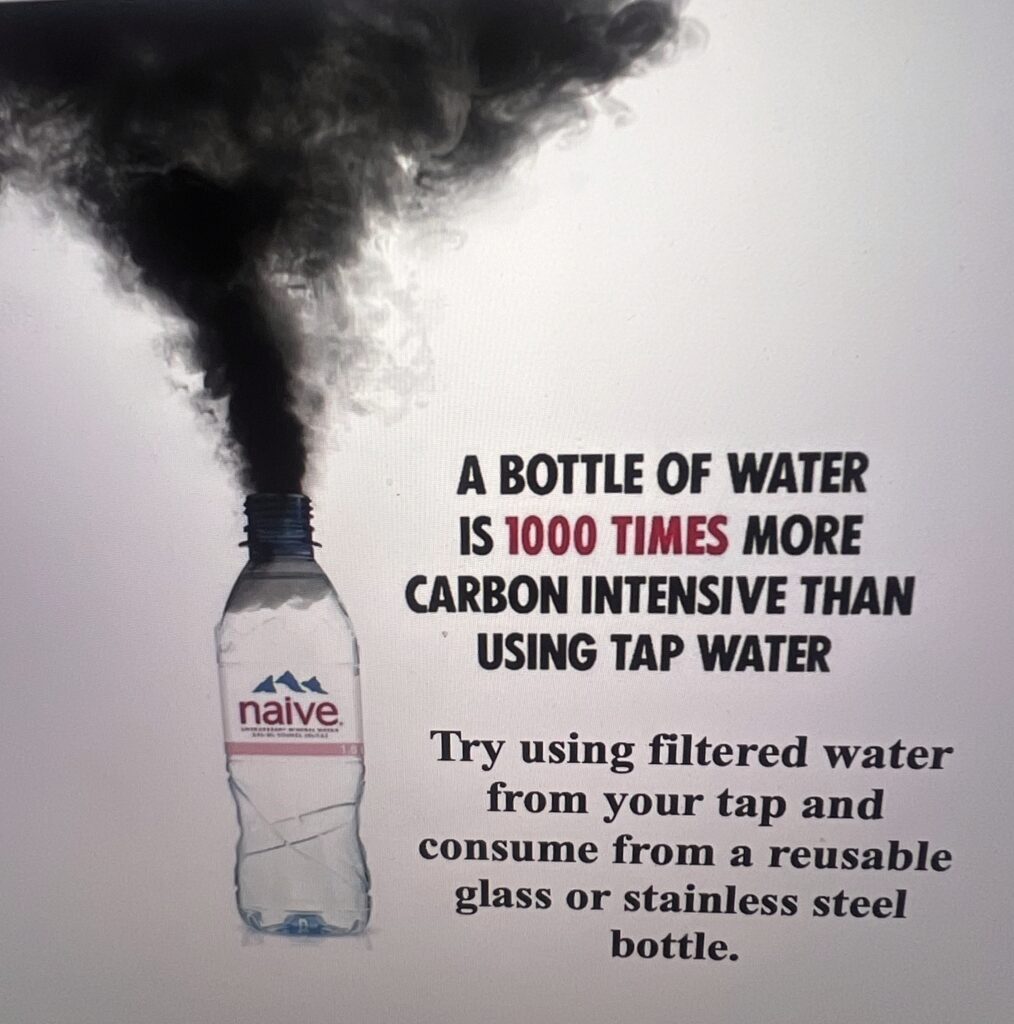
5.Being Earth Smart When Consuming Bottled Water.
6. Recycled Wastewater Is Coming For Phoenix Faucets. Leaders Say It’s Needed Amid Drought KJZZ | By Alex Hager Published March 31, 2026 at 7:00 AM MST
In north Phoenix, where the landscape is a patchwork of scrubby desert and master-planned communities, the future of the city’s water system is taking shape.
With climate change and drought shrinking the amount of water in the rivers and reservoirs that supply the nation’s fifth-largest city, Phoenix is betting big on technology that can turn sewage into clean, safe drinking water. It will allow water managers to squeeze every last drop out of the supply they already have at a time when they expect less to be coming down the pipe from once-dependable sources.
“What we’re doing here in Phoenix,” said Max Wilson, the city’s water resources management advisor, “is really building the pathway for what’s just going to be the new normal for the next generation.”
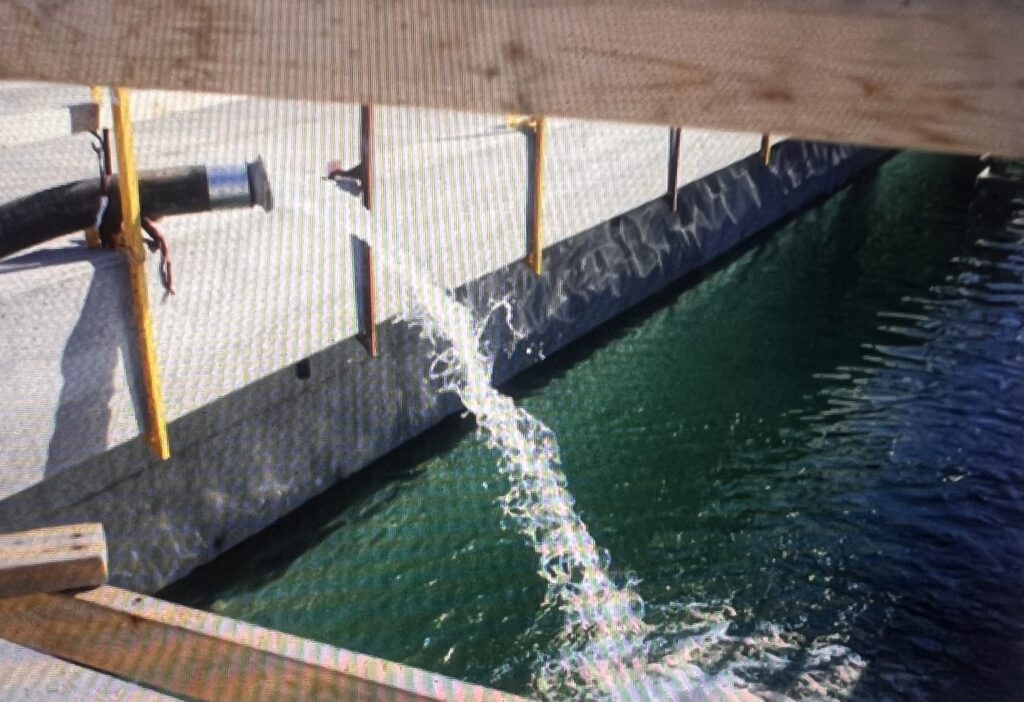
The Cave Creek Water Reclamation Plant will soon host the technology that makes that new normal possible. Water officials are about halfway through a major construction project that will cost roughly $350 million and aims to send purified water into city pipes in early 2029.
On a recent weekday afternoon, city officials watched as water poured into a massive concrete tank. The facility is still far from operational, but the introduction of water to the system — in this case, to test for leaks — marked a major milestone in the reclamation facility’s development and brought it one step closer to sending water to homes in the area.
The Cave Creek facility has been under development, in some form or another, since the late 1990s. It ran from 2000 to 2008, delivering recycled water to parks and golf courses. Then, home development near the plant slowed, demand for water dropped and the city mothballed the plant.
Wilson said the project is coming at a pivotal time, as federal officials are proposing steep cutbacks to the Central Arizona Project, which delivers Colorado River water to the Phoenix metro area.
“It’s incumbent on a desert city to get the most that it possibly can out of every drop of water that it can access,” he said. “Knowing that we have generations of leaders who have said that this day was going to come and that we needed to be prepared for it is part of why we’re able to withstand the size and scale of cuts that we’re talking about here in the next 12 to 18 months.”
As Phoenix gets closer to bringing its facility online, the city’s water leaders underscored that the water is completely safe.
“This technology will allow us to produce the cleanest and purest water that we will produce anywhere in the city of Phoenix,” said Nazario Prieto, assistant water services director for the city. “The science backs it up completely.”Source: KJZZ March 31, 2026
7. Photoimage capture of the moon by the Editor on April 7, 2026 as Artemis II rounds the moon heading for Mother Earth. Saluting the intelligence and courage that made this trip possible.

Copyright 2026 @ EviroInsight.org
