
Daniel Salzler No. 1352
EnviroInsight.org Six Items April 3, 2026
—————Feel Free To Pass This Along To Others——————
If your watershed is doing something you would like others to know about, or you know
of something others can benefit from, let me know and I will place it in this Information .
If you want to be removed from the distribution list, please let me know.
Please note that all meetings listed are open.
Enhance your viewing by downloading the pdf file to view photos, etc.
The attached is all about improving life in the watershed through knowledge.
If you want to be removed from the distribution list,
please let me know. Please note that all meetings listed are open.
Check our website atEnviroInsight.org
1. Report Shows Earth’s Climate is Out of Balance, as Indicators Hit New Extremes. As warning lights flash, U.N. Secretary Gen. António Guterres calls out a global climate emergency.
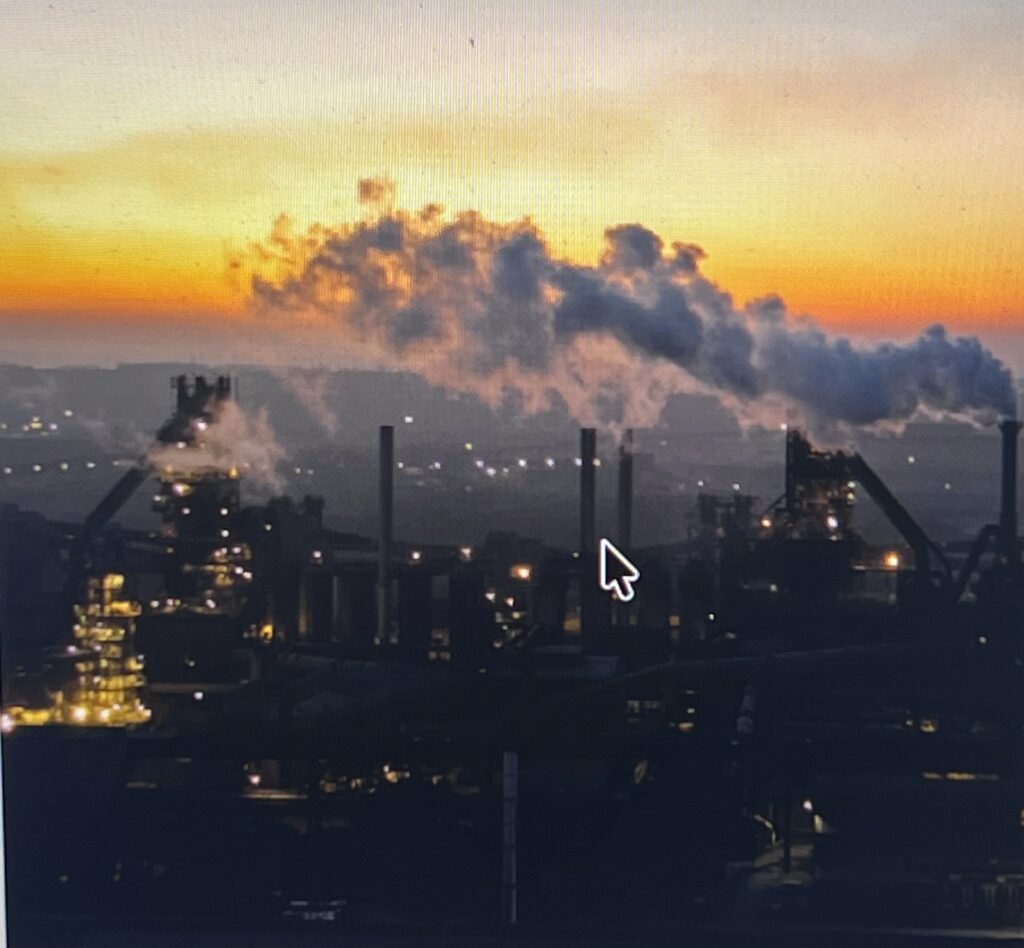
The world is in a state of climate emergency, the head of the United Nations declared Sunday, following the release of the latest State of the Global Climate report from the World Meteorological Organization.
“Earth is being pushed beyond its limits while every key climate indicator is flashing red,” said U.N. Secretary-General António Guterres. “Earth’s energy imbalance, the gap between heat absorbed and heat released, is the highest on record. Our planet is trapping heat faster than it can shed it.”
The consequences, he added, “are written into the daily lives of families struggling as droughts and storms drive up food prices, in workers pushed to the brink by extreme heat, in farmers watching crops wither, and in communities and homes swept away by floods.”
The report highlights the significance of record-high concentrations of greenhouse gases in the atmosphere and notes that the effects are visible everywhere, from the 11-year series of hottest-
ever years to the way heat is accumulating deep in the oceans. For the first time, it includes a metric called Earth’s energy imbalance as a key climate indicator, measuring the rate at which energy from the sun enters and leaves the planet.
2. Bipartisan bill targets funding for advanced wastewater treatment and PFAS removal. U.S. Representatives have introduced a bipartisan bill to establish a $1 billion grant program supporting advanced wastewater treatment projects.
U.S. Reps. Haley Stevens and Brian Fitzpatrick have introduced the bipartisan Advanced Wastewater Treatment Assistance Act, aimed at helping utilities upgrade infrastructure, address emerging contaminants such as PFAS and maintain affordability for ratepayers.
The legislation would establish a five-year, $1 billion federal grant program to support advanced wastewater treatment projects, covering up to 50% of project costs. At least 49% of funding would be directed to financially disadvantaged communities, with cost-share requirements waived for those recipients.
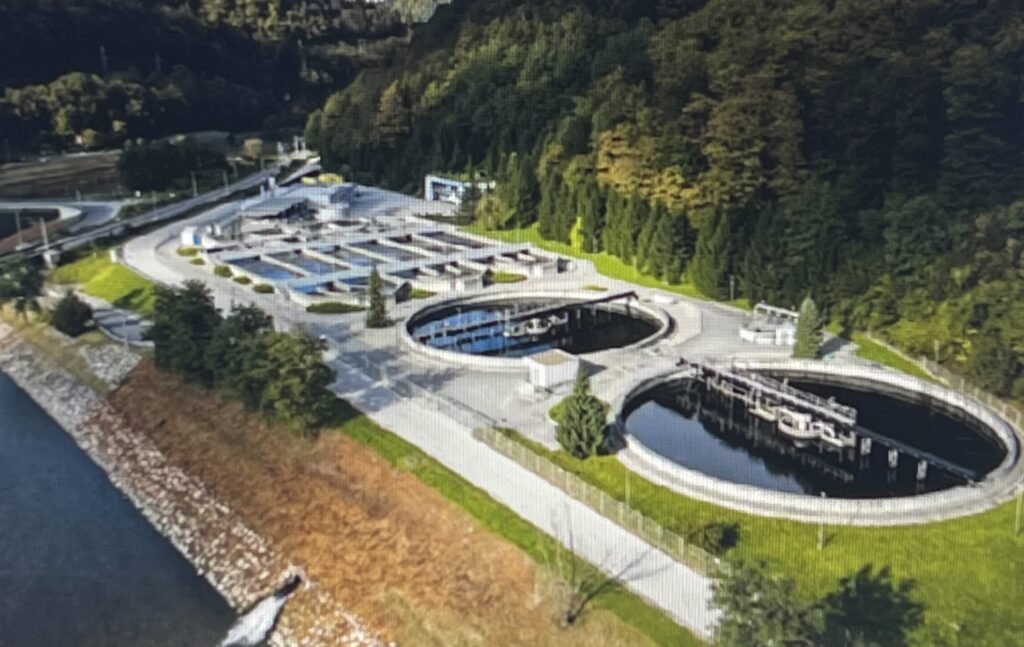
“Clean water is essential for our health, our economy, and the future of the Great Lakes,” said Rep. Stevens in a press release. “Michigan knows all too well the impact of contaminants like PFAS on our communities. This legislation will help utilities deploy next-generation wastewater treatment technologies, modernize infrastructure, and keep water safe and affordable.”
“Across the country, communities are facing a growing challenge: confronting contaminants like PFAS, modernizing aging wastewater infrastructure, and doing so without imposing unsustainable costs on families and ratepayers,” said Rep. Fitzpatrick in a press release. “This bipartisan legislation delivers the kind of smart, targeted federal partnership needed to help utilities deploy proven treatment technologies, strengthen public health protections, and keep water affordable. As Co-Chair of the bipartisan Congressional PFAS Task Force, I have worked to keep these issues at the forefront, and this bill is an important step toward giving communities the tools they need to meet today’s challenges and build long-term water resilience.”
According to the bill’s sponsors, utilities are facing rising costs to implement advanced treatment technologies such as granular activated carbon and reverse osmosis to remove persistent contaminants. The legislation also calls for a national study on the effectiveness of these technologies in addressing pollutants like PFAS.
The proposal has received support from National Association of Clean Water Agencies, whose CEO emphasized the financial pressures utilities face in adopting advanced treatment solutions.
If enacted, the bill would also cap administrative costs at 1% for the U.S. EPA and participating states, while prioritizing investments that protect public health and support long-term water quality improvements. Source: Wastewater Digest, March 25, 2026
3. This Year’s US Wildfires Have Already Set Records That Could Foreshadow a Smoky, Fiery Summer. Recently released data show how drought, paltry Western snows and unseasonable heat, all exacerbated by climate change, could be priming the nation for a long wildfire season.
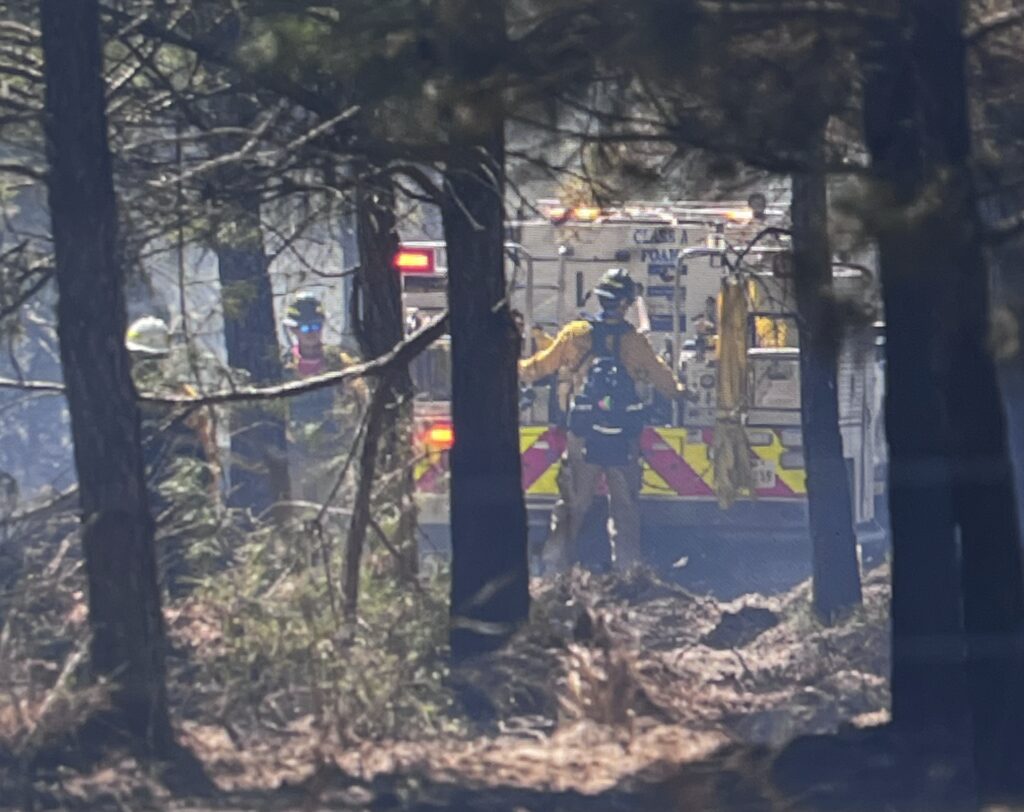
As the Western United States limps away from one of the warmest and driest winters on record, wildfires have burned over 127 percent more acreage so far in 2026 than the 10-year average, potentially setting the stage for a long, fiery summer.
Updated data from the National Interagency Fire Center on the number of ignitions and total acres burned through March 27 shows the country has experienced over 15,000 starts that have consumed more than 1.5 million acres so far this year. The 10-year averages through March 27 are about 9,195 starts and 664,792 acres burned.
While 2024 and 2017 both saw higher total acreage burned to this point, 2026 ranked first for the number of ignitions by late March in any year of the past decade, with 587 more fires than the next-highest year.
More fires in what has historically been a wetter part of the year “is becoming less a trend, more a pattern and normality,” said Timothy Ingalsbee, co-founder and executive director of Firefighters United for Safety, Ethics, and Ecology. “It is a clear signal of ongoing climate change.”
Climate change—driven primarily by the burning of fossil fuels—is magnifying the megadrought gripping the West, where drier forests, diminished snowpack and changes in hydrology can conspire to deliver a more destructive and deadly fire season. The recent record-shattering heatwave that gripped the West would be “virtually impossible” without climate change, a team of scientists found recently.
“This whole process of developing this U.S. Wildland Fire Service (USWFS) has been a black box operation conducted top down and top secret within the Secretary of Interior’s office.”
In a stable climate, incoming energy and outgoing energy are about the same. But activities such as burning fossil fuels, growing food and making steel, cement and plastic have upset that balance by pushing levels of heat-trapping carbon dioxide, methane and nitrous oxide in the atmosphere to the highest level in at least 800,000 years. That’s trapping more of the sun’s energy in the Earth’s climate system than ever previously recorded.
“Improved scientific understanding of Earth’s energy imbalance shows the disruption is real and the reality facing our planet and climate right now,” said World Meteorological Organization Secretary-General Celeste Saulo, adding that, “We will live with these consequences for hundreds and thousands of years.”
The new metric shows a more complete picture of how the climate system is responding to human emissions by integrating all the heat accumulating in the oceans and atmosphere, on land and melting ice, said oceanographer Karina von Schuckmann, a senior science adviser with Mercator Ocean International and member of he WMO’s ocean observation panel. To read more., go to htReport Shows Earth’s Climate is Out of Balance, as Indicators Hit New Extremes – Inside Climate newstps://insideclimatenews.org/news/23032026/wmo-report-highlights-global-emergency/?utm_source=InsideClimate+News&utm_campaign=4bfb8fb8d9-EMAIL_CAMPAIGN_2026_03_29_09_44&utm_medium=email&utm_term=0_29c928ffb5-4bfb8fb8d9-329837346
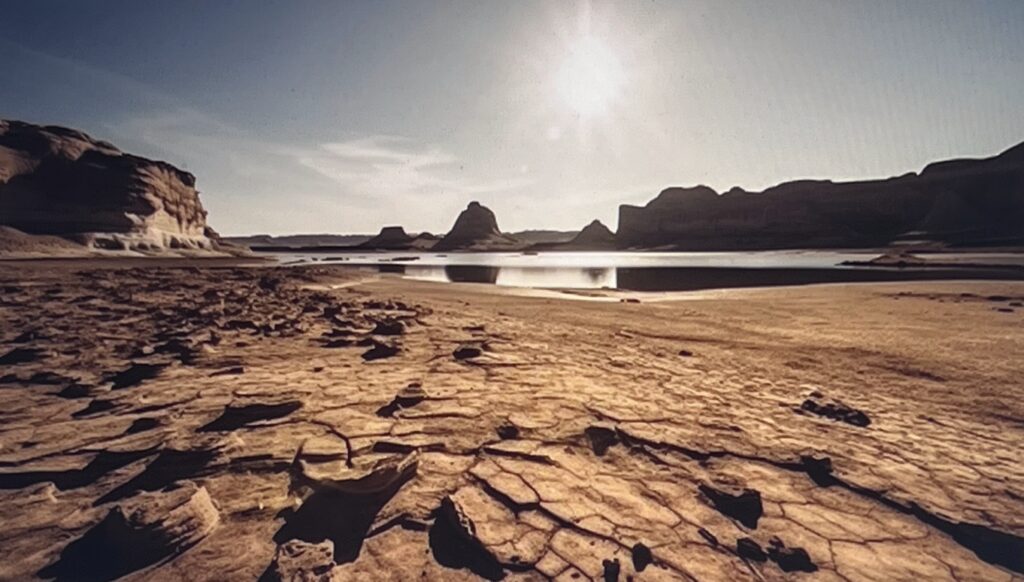
4. What Experts Say It Will Take To Solve West’s Water Problems. Hundreds of water experts from across the United States convened at Arizona State University last week to tackle the West’s mounting water challenges and water problems, seeking solutions that go beyond scarcity toward coordinated systems, investment and collaboration.
“Water stress is not just a constraint. It is a signal that our current systems are misaligned with the realities of climate, society and economic demand,” said Upmanu Lall, director of the ASU Water Institute at the Julie Ann Wrigley Global Futures Laboratory.
The “Transforming Water, West” convening brought together more than 400 scientists, entrepreneurs, investors and policymakers with a shared understanding that incremental change is no longer enough. The region’s water challenges demand something more coordinated and more ambitious.
Held March 20 in Tempe, the event felt less like a traditional conference and more like a working session. Conversations moved quickly from formal remarks to casual exchanges about infrastructure, climate adaptation and investment strategies.
The shift from rethinking to transforming reflects a broader recognition that the systems governing water in the West must be rebuilt, not just refined. Organizers emphasized systems thinking, linking water to economic growth, ecosystems and communities.
That philosophy came to life throughout the day. A technology showcase highlighted new treatment methods and data-driven management systems. A startup and investor pavilion buzzed as entrepreneurs pitched ideas and financiers searched for scalable solutions.
Participants broke into focused discussions on infrastructure, public policy and water markets. In one room, attendees debated how Arizona’s markets could evolve. In another, wastewater was reframed as an economic opportunity, with decentralized systems emerging as a potential path forward.
That idea was central to the keynote from Bruce Rittmann, a Regents Professor of environmental engineering and director of the Biodesign Swette Center for Environmental Biotechnology at ASU.
“For more than 110 years, we’ve relied on activated sludge,” he said. “It works, but it is a giant energy consumer and a big generator of biosolids.”
“These wastewaters have valuable resources in them that we are tossing away,” Rittmann said, who received the 2018 Stockholm Water Prize. “We’re treating the water, but we’re throwing away the resources.”
Rittmann described a future in which wastewater systems function as resource factories — recovering energy, nutrients and reusable water.
“The past has been an expensive way to squander valuable resources,” he said. “The future is to take these wastewaters and get value out.”
“Biofilms represent a $4 trillion problem, whether it’s biocorrosion in infrastructure or contamination in medical devices,” said Paul Westerhoff, Regents Professor in the School of Sustainable Engineering and the Built Environment at ASU, pointing to inefficiencies in existing systems.
“More than 12,000 people a year die from infections related to urinary catheters. In the U.S., cooling towers can harbor legionella and other problems. In Brooklyn, people have died from legionella linked to cooling towers. There are also clogged pipes, mold in homes and many other issues.”
Across sessions, a consistent theme emerged: No single solution will define the future of water. Progress will come from integrating technologies, policies and investment strategies.
By the end of the day, a clearer picture had begun to take shape. The West’s water challenges remain complex, shaped by climate change, population growth and competiarch 30, 2026
5. Arizona Hires Global Law Firm To Prepare For Fight Over Colorado River. Seeing little indication that states in the Colorado River headwaters will accept or impose new cuts on their water users, Arizona has hired a law firm to defend its water rights at trial or before the U.S. Supreme Court, Gov. Katie Hobbs’s office announced.
The hiring allows Arizona to prepare for a legal fight, though it has not yet initiated one. That decision would come after the U.S. Department of Interior this summer adopts new guidelines for sharing the burden of a shrinking river that has struggled to maintain adequate reservoir storage for existing uses in Arizona, California and Nevada.
Absent a seven-state deal that has so far eluded negotiators, the new guidelines appear likely to hit Arizona hardest.
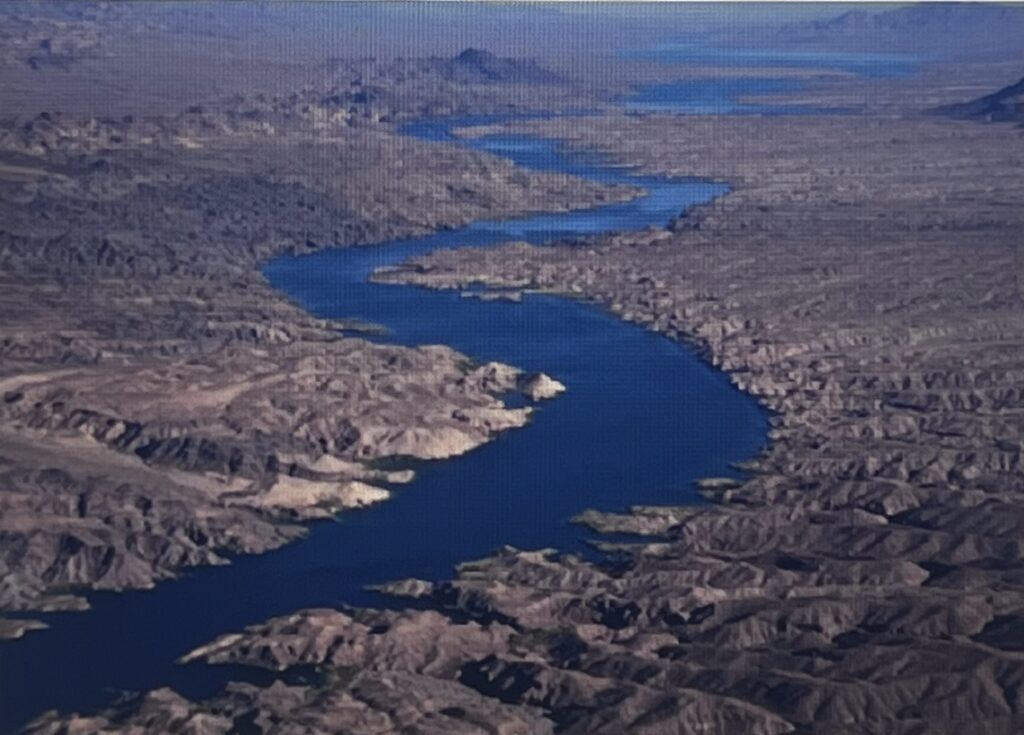
The state has retained Sullivan & Cromwell, a firm with extensive experience arguing water cases before the Supreme Court, according to staffers for the governor who spoke on background to media on Monday, March 23. Sullivan & Cromwell is a New York-based firm with some 1,000 lawyers in 13 offices around the world.
Arizona has worked to reduce its own consumption of river water and has partnered with California as that state proposed its own mandatory cutbacks for the first time as part of the interstate negotiations, according to the governor’s office. It has not led the upstream states of Colorado, New Mexico, Utah and Wyoming to accept their own mandatory cutbacks — something Hobbs has said is a must for Arizona to reach a deal.
Read the entire article at AZCentral. https://www.azcentral.com/story/news/local/arizona-water/2026/03/23/arizona-prepares-fight-feds-other-states-colorado-river-water/89292935007/
6. Celebrate Water Awareness Month. April is Arizona Water Awareness Month. It is a time to celebrate and show your appreciation for Arizona’s most precious resource – Water! Whether you are just starting your water conservation journey or are already an expert water saver, there are plenty of opportunities to celebrate Water Awareness Month. For example, here are some of our favorite and easy ways to celebrate:
Attend the annual Water Awareness Month Festival hosted by the Arizona Department of Water Resources and Arizona Department of Environmental Quality. On Saturday, April 11 from 10 a.m. to 2 p.m., join us at Steele Indian School Park. There we will host activities, exhibits, displays and games all relating to water conservation in Arizona. This is a family friendly event where residents can engage directly with organizations and water providers. They will share information and resources. For more fun, meet Smokey Bear and explore the City of Phoenix Fire Department’s fire truck up close. While you’re there, grab a bite from local food truck vendors and enjoy more community fun. Don’t miss this exciting day celebrating all the ways Arizona makes every drop count! [What Do You Do To Conserve Water? Editor] Source: Water Use It Wisely
Copyright 2026 EnvieroInsight.org
