
Daniel Salzler No. 1344
EnviroInsight.org Five Items February 06, 2026
—————Feel Free To Pass This Along To Others——————
If your watershed is doing something you would like others to know about, or you know
of something others can benefit from, let me know and I will place it in this Information .
If you want to be removed from the distribution list, please let me know.
Please note that all meetings listed are open.
Enhance your viewing by downloading the pdf file to view photos, etc.
The attached is all about improving life in the watershed through knowledge.
If you want to be removed from the distribution list,
please let me know. Please note that all meetings listed are open.
Check our website at EnviroInsight.org
1. Organic Recycling Conference June 9 – 10, Nashville, Tennessee. Waste Today Events is proud to launch the Organics Recycling Conference (ORC), June 9-10 at the Sheraton Grand Nashville in Nashville, Tennessee. This brand-new event is focused on one of the fastest-growing and most opportunity-rich sectors in recycling: organics.
From food waste and yard trimmings to commercial and industrial organics, diversion programs are expanding rapidly, bringing challenges in collection, contamination, processing and end markets. This conference is essential for anyone dedicated to advancing organics recovery and reduction solutions. Attendees will gain practical insights into:

- composting and anaerobic digestion
- improving feedstock quality
- operating efficient facilities
- building strong end markets
- navigating today’s regulatory landscape.
Whether you’re expanding existing programs or just getting started, ORC delivers actionable takeaways and valuable networking to elevate your operations.
Register now (or click on link below) to save with our early bird rate! Cost $595
2. Reasons To Protect Our Oceans. Underwater forest of kelp are returning to health off the coast of California. That information might be good news for the entire planet.
Kelp beds, a complex ecosystem teaming with life, cleans the water and the atmosphere bringing new life for the future.
Located in the Channel Islands, the indigenous people known as Chumash have lived in this area and have worked the kelp beds for over 13,000 years.

The Kelp beds which grow up to 175 feet from the ocean floor (up to 2 feet a day) not only combat pollution but also help mitigate pollution. The kelp can absorb carbon dioxide from both air and water that would otherwise linger for centuries. They can absorb 20 times more CO2 compared to the same size terrestrial forest.
In Goleta, California, it was shown that procesd kelp as a liquid biostimulant, can be used in agriculture. By spraying this natural compound on soil, farmers hope to reduce the need for artificial fertilizers that give off nitrous oxide, a potent greenhouse gas that traps 300 times as much heat per pound as CO2. The kelp-based product may boost yields and reduce the water needed for cash crops ranging from almonds and avocados to strawberries and grapes.
Existing global seaweed forests can capture nearly 200 million tons of CO2 a year while also giving a $500 billion boost in ecosystem services to industries including fishing. Expanding them is an excellent investment, both financially and environmentally.
Using biostimulants can boost the climate benefit even more, both by reducing nitrous oxide emissions and by cutting the CO2 emissions that come both from making artificial fertilizers and from shipping them to farmers. California is already outpacing the rest of the country in reducing fossil fuel emissions. Kelp would help the state meet its target of reaching net-zero emissions by 2045, at least five years sooner than the Paris Agreement’s goal of 2050.

The average person may know the Earth is warmer now than at any time in the past 100,000 years, or that each year now sets a global temperature record. But what happens underwater is so rarely seen. Most people have no idea that seaweeds have been around for a billion years, or that algae and aquatic plants provide the planet with about half of its oxygen, the other half coming from terrestrial plants. Most people don’t know that ocean water has already absorbed about a third of humanity’s excess carbon emissions, and that the resulting carbonic acid disrupts the ocean’s chemistry, leaving less calcium for the hard shell casings of shellfish—or that cultivating kelp serves as a giant pushback against this process. Most people don’t know that seaweeds can be used to make natural, low-cost alternatives to plastics and fertilizers.
If all of this is not enough to do everything to protect our oceans and kelp forests, imagine reducing the amount of the air pollutant, methane from the air by sprinkling seaweed on cattle feed that can help cows digest their food, reducing their methane emissions between 40 and 80 percent.
Remember, Arizona is one part of a multi-state effort to build a desalination plant that will release brine into the ocean, disrupting this pelagic habitat and possibly, the future of life on earth. Source: The December 2025 issue of Smithsonian magazine and Editor
3. 2026 SRP Water Conservation Expo. Discover smart ways to conserve water and cut costs. Get early access to the 2026 SRP Water Conservation Expo!
Explore smart irrigation solutions, expert tips and exclusive discounts on controllers, spray heads and more.
Saturday, Feb. 28 , from 8 a.m.–noon
SRP PERA Training and Conference Center
1 E. Continental Drive, Tempe, AZ 85288
Space is limited. Register now! https://na.eventscloud.com/ereg/newreg.php?eventid=851539&categoryid=5804888&utm_campaign=2398400&utm_medium=em&utm_source=zta&utm_content=2965401&utm_id=2868241138
4. Study Finds Humans, Not Climate, Main Driver of Arizona Groundwater Loss. A recent study led by researchers at the University of Arizona finds that human groundwater pumping has played a larger role than long-term climate variability in depleting groundwater in southern Arizona. Published in Water Resources Research, the study reconstructs groundwater levels in the Tucson Basin over approximately the past 20,000 years using chemical and isotopic tracer data from wells.
The results show that past climate shifts, such as prolonged dry periods, did lower groundwater levels, but these declines were modest compared to the dramatic drawdown caused by modern groundwater pumping since the mid-20th century. In fact, recent human-driven declines are estimated to be roughly twice as large as those caused by natural climate variability alone.
The study also highlights that natural recharge rates in the region are slow, meaning that even a return to wetter climatic conditions would be insufficient to fully recover groundwater lost to intensive extraction. These findings emphasize that water scarcity in Arizona is primarily a management, rather than a climate, challenge.
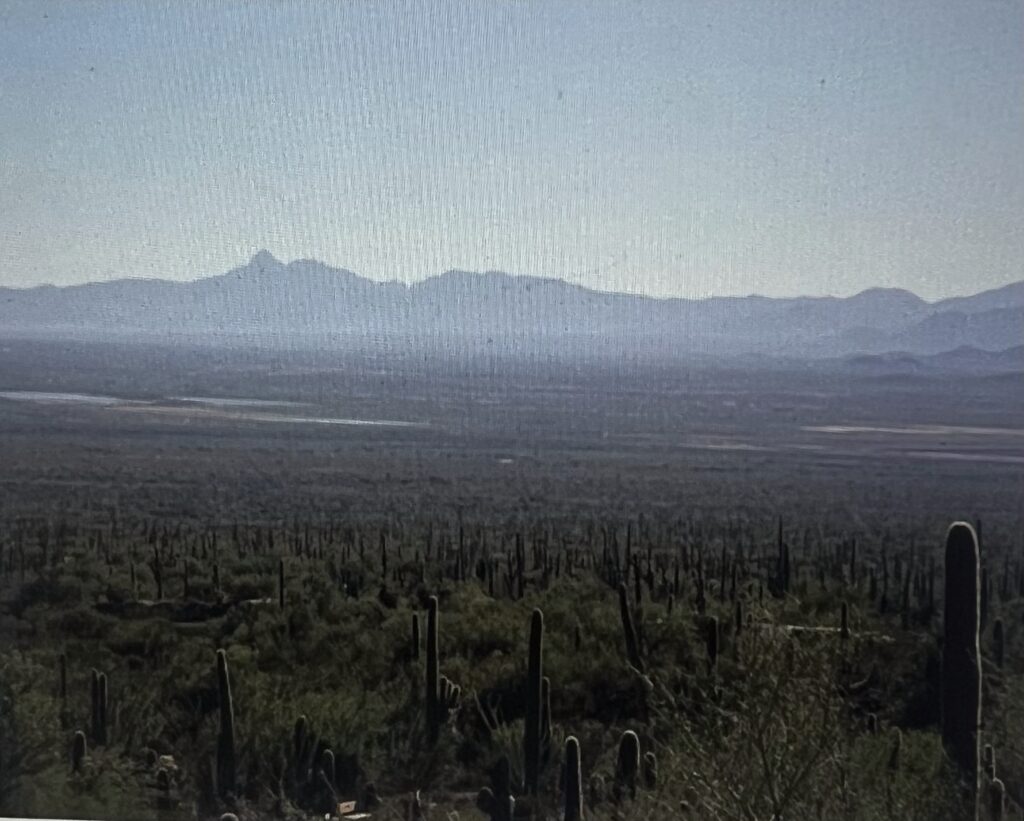
This research was supported in part by WRRA Section 104(b) funding, which helps advance applied water resources research and supports science-based decision-making for sustainable groundwater management in Arizona.
To read the entire story. please go online to https://news.arizona.edu/news/study-finds-humans-outweigh-climate-depleting-arizonas-water-supply
5. Major Illnesses Taking Over Arizona Between January 4 and January 24, 2026. Remember: WASH YOUR HANDS OFTEN, KEEP YOUR HANDS AWAY FROM YOUR FACE, WEAR A MASK when appropriate, AND SANITIZE!
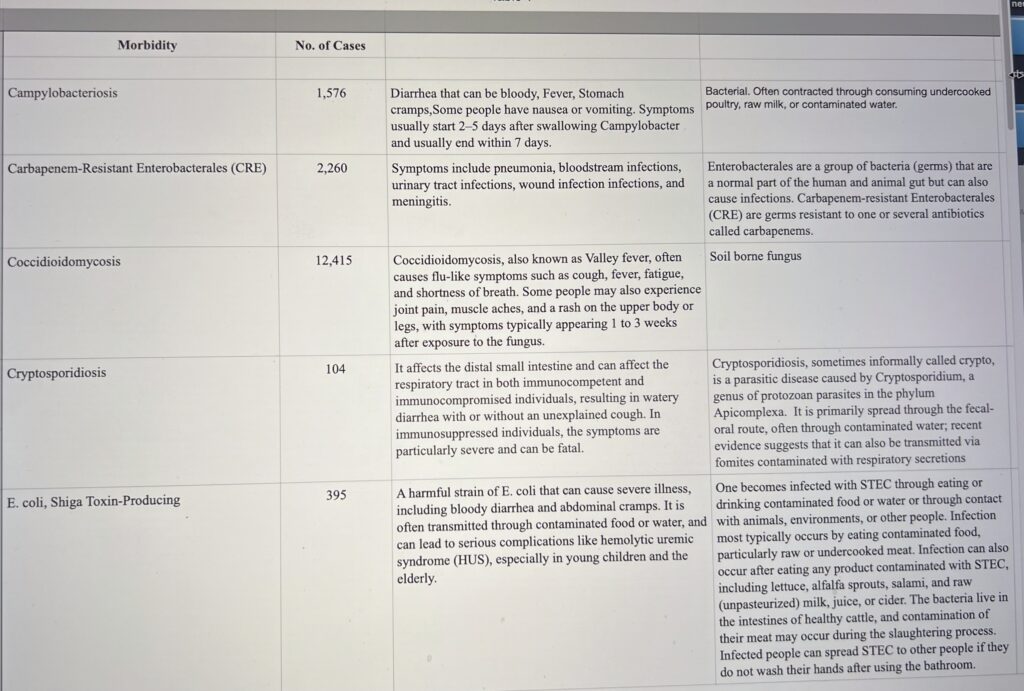
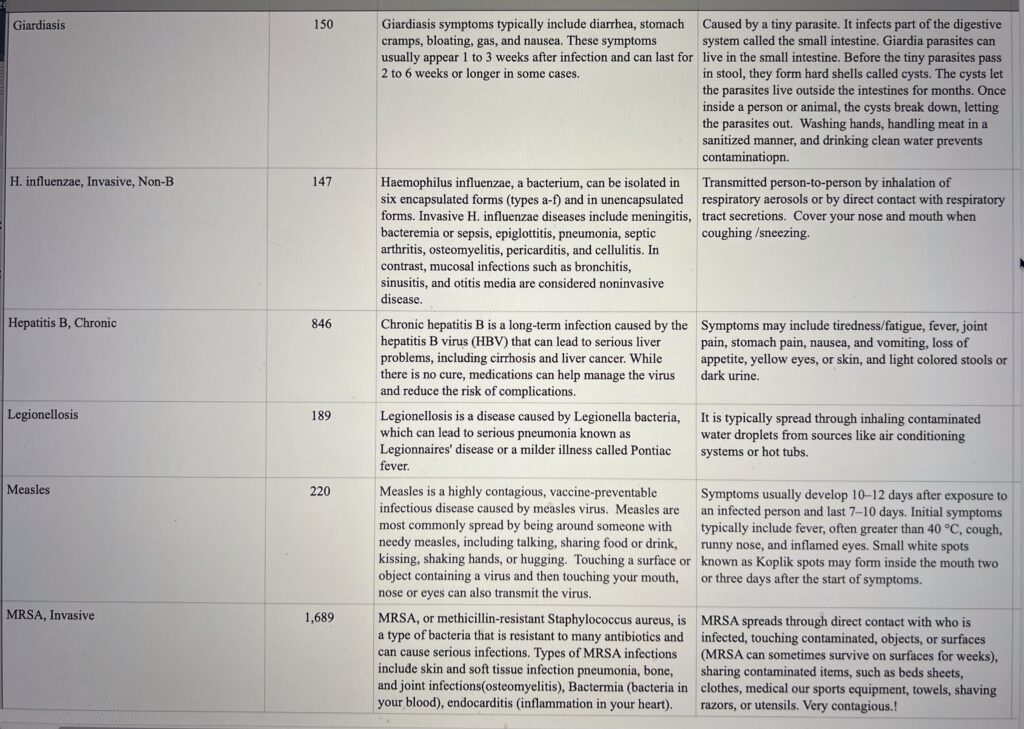
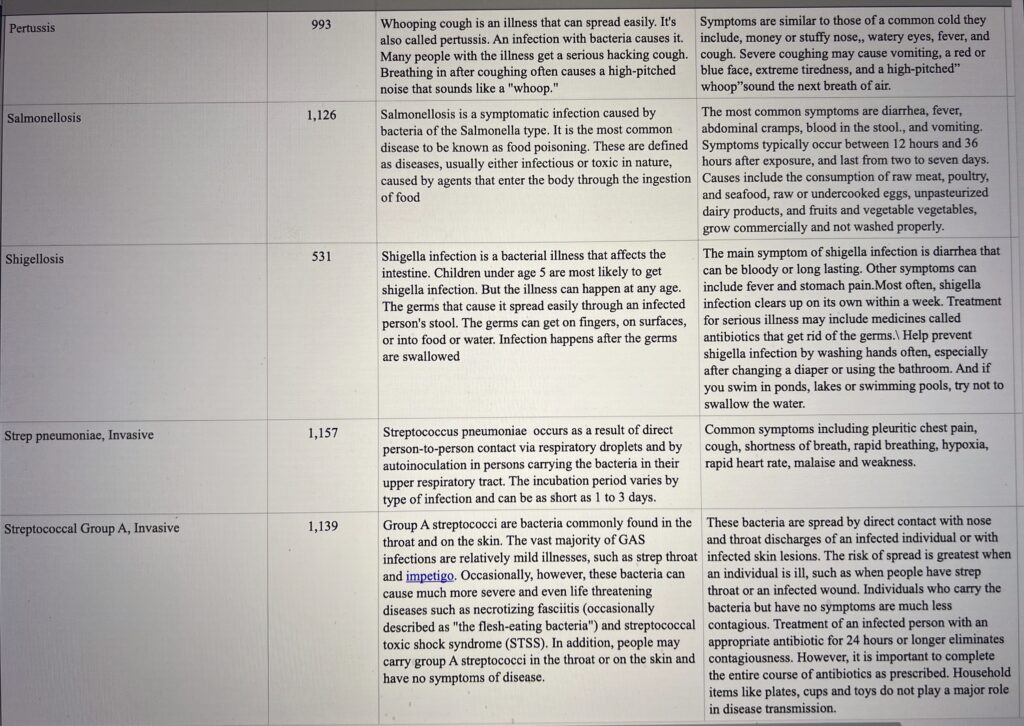

For a complete list of diseases hitting Arizona, go to https://mail.aol.com/d/folders/1/messages/AAHtDSptwCZlfXHECoVFCfK4lxJ
For more information on each of these diseases, go to the internet and learn the symptoms and where it originates. Source: Arizona Department of Health. List summarized by Editor.
Copyright 2026 @EnviroInsight.org
