
Daniel Salzler No. 1319 EnviroInsight.org Three Items August 15, 2025
—————Feel Free To Pass This Along To Others——————
If your watershed is doing something you would like others to know about, or you know
of something others can benefit from, let me know and I will place it in this Information .
If you want to be removed from the distribution list, please let me know.
Please note that all meetings listed are open.
Enhance your viewing by downloading the pdf file to view photos, etc.
The attached is all about improving life in the watershed through knowledge.
If you want to be removed from the distribution list,
please let me know. Please note that all meetings listed are open.
Check our website at EnviroInsight.org

- Schools Are Back, Children Are getting On/Off Busses, Hopping From Cars And Running Every Which Way To Catch Up With Friends. It’s an exciting time for children going back to school and a time for drivers to pay particular attention to their surroundings when approaching, passing through or exiting a school zone.
This is not the time to send children to the emergency room because drivers are on their phone or being distracted by some nonsensical event happening inside or outside of the car. Please drive safely! That child is someone’s most precious being and deserves all the attention you can give it.
Make sure your children understand the following:
Walkers
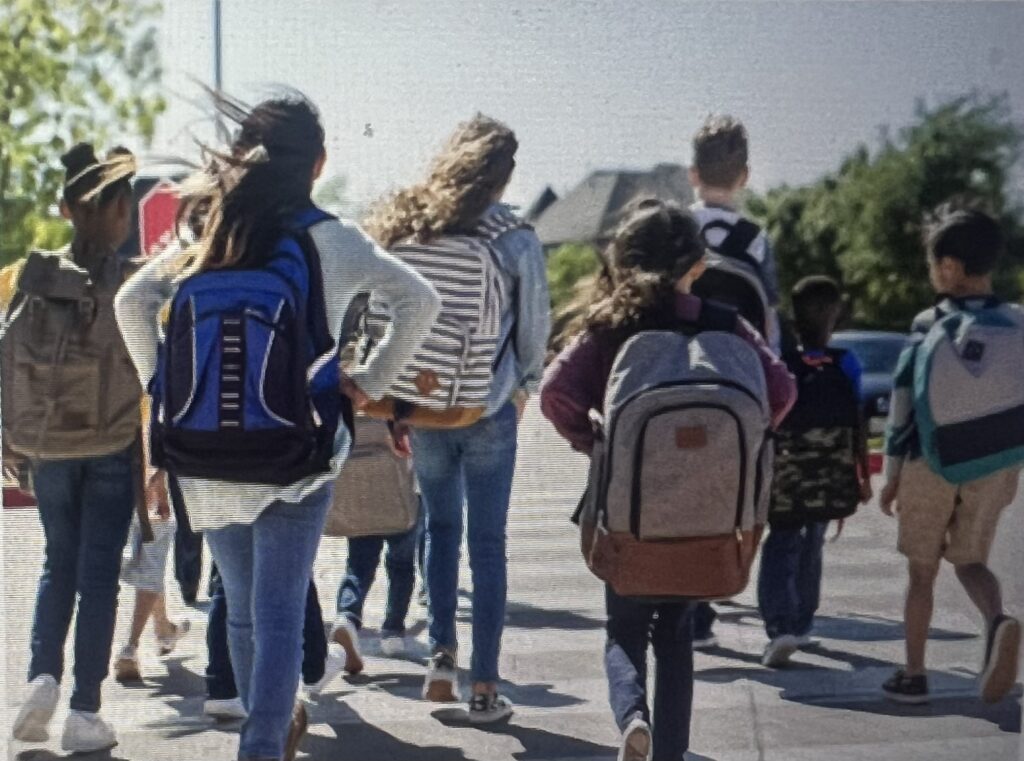
Review your family’s walking safety rules and practice walking to school with your child.
- Walk on the sidewalk, if one is available; when on a street with no sidewalk, walk facing traffic, single file
- Before you cross the street, stop and look left, right and left again to see if cars are coming
- Make eye contact with drivers before crossing, and always cross streets at crosswalks or intersections
- Stay alert and avoid distracted walking
Bike Riders
Teach your child the rules of the road and practice riding the bike route to school with your child.
Ride on the right side of the road, with traffic, and in a single file
Come to a complete stop before crossing the street; walk bikes across the street
Stay alert and avoid distracted riding
Make sure your child always wears a properly fitted helmet and bright clothing
Bus Riders
Teach your children school bus safety rules and practice with them.
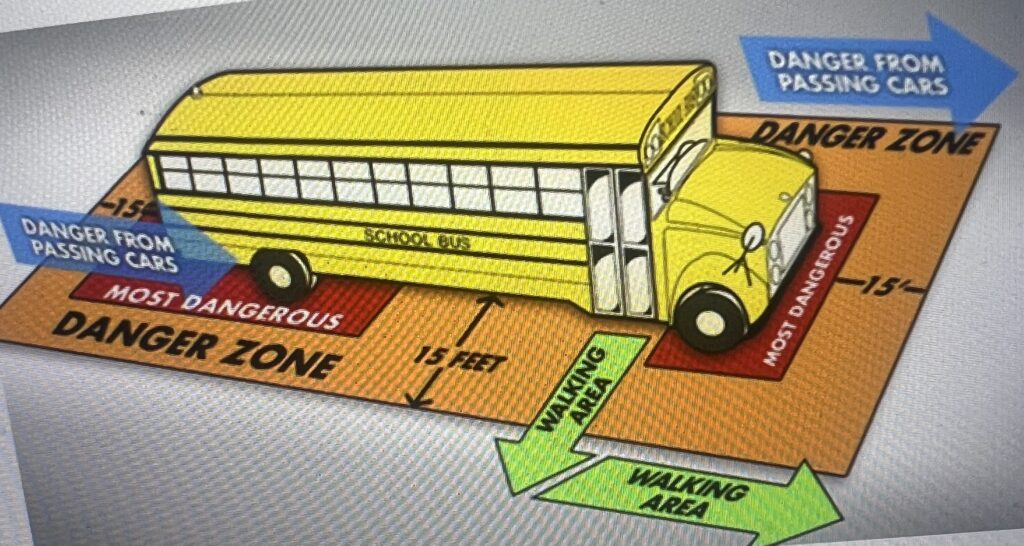
- Go to the bus stop with your child to teach them the proper way to get on and off the bus
- Teach your children to stand 6 feet (or three giant steps) away from the curb
- If your child must cross the street in front of the bus, teach him or her to walk on the side of the road until they are 10 feet ahead of the bus; your child and the bus driver should always be able to see each other
- Get the facts on bus safety from Injury Facts
Driving Your Child To School

Stay alert and avoid distracted driving.
- Make eye contact with children who are crossing the street
- Obey school zone speed limits and follow your school’s drop-off procedure
- Never pass a bus loading or unloading children
- The area 10 feet around a school bus is the most dangerous for children; stop far enough back to allow them to safely enter and exit the bus
Teen Drivers
Car crashes are the No. 1 cause of death for teens. Fortunately, there is something we can do.
- Teens crash because they are inexperienced; practice with new drivers every week, before and after they get their license
- Set a good example; drive the way you want your teen to drive
- Sign the New Driver Deal, an agreement that helps define expectations for parents and teens
School Safety Tips
Many school-related injuries are completely preventable. Follow these steps to ensure your child’s safety at school.
We love our children! Lets not be in a hurry or be distracted when in our vehicle. Keep children in school, not the hospital!
2. Five Mistakes That Harm Your Landscape During the Summer.
- Running the irrigation system for short durations throughout the day. This seems like a great way to keep your trees, shrubs, and groundcover happy, but it can do more harm than good. That water evaporates and never reaches the roots. When summer temperatures are peaking and humidity is low, your landscape needs a deep watering once a week. This allows the water to sink deeper into the ground, where the clay soil is built to hold water as a reservoir for desert plants. Use the “cycle and soak” method to prevent this waste and provide your plants and grass with even watering. Break up the watering into a stop-and-go cycle. For example, run your irrigation system just to the point of runoff, then shut it off for 30–60 minutes and water again. This allows the water to seep into the ground.
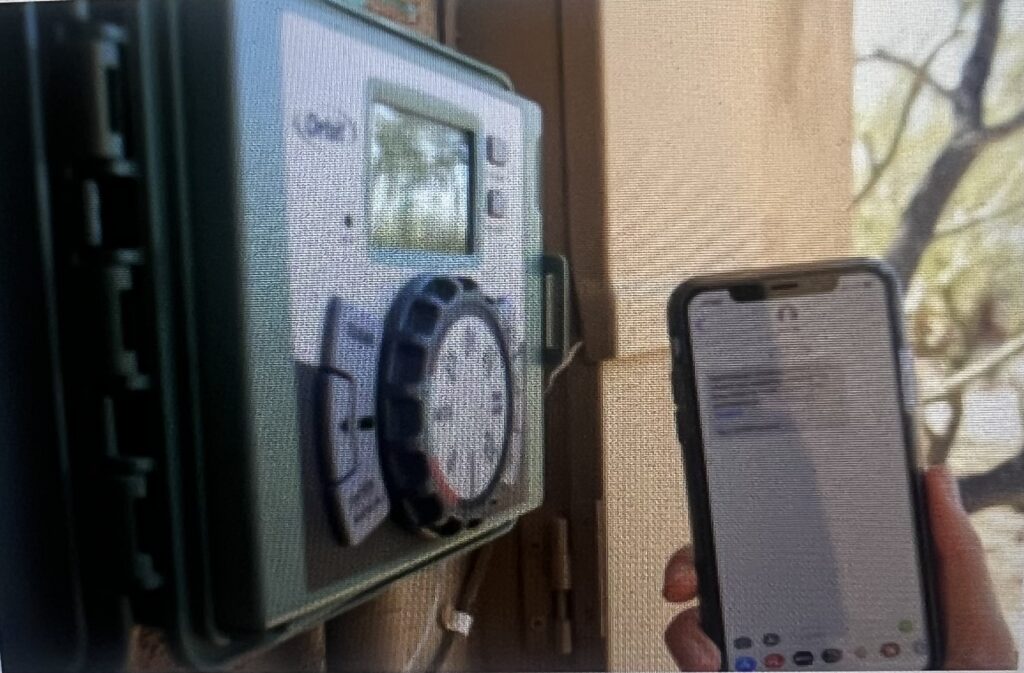
It’s as simple as texting
WHENTOWATER to
1-844-416-1428 to get
helpful watering reminders.
2. Adjusting your irrigation system only twice a year. Landscape watering requires more frequent adjustments than you may expect. Gradually altering your watering times, preferably on a monthly basis, can conserve water and reduce your water bill by up to 30 percent. That’s why some cities offer rebates for new smart irrigation controllers that adjust watering cycles based on weather conditions and soil moisture levels to further assist you in changing your irrigation properly.
3. Thinning trees. For some homeowners, “thinning” a tree involves cutting away the smaller inner branches while keeping the growth at the tips of the longer branches. This approach is flawed for several reasons. Firstly, it exposes the inner branches to potential sun damage. Secondly, it eliminates leaves, which serve as the tree’s energy source, thus diminishing its ability to fend off pests and diseases. Thirdly, this method concentrates all the weight at the tips of the branches, known as “lion tail pruning,” making them more susceptible to breaking in strong monsoon winds. It’s recommended to prune just before growth begins in spring. If pruning is necessary, limit the cuts to the outer 20 percent of the tree canopy and never remove more than 25 percent of the living leaves, stems, or branches each year.
4. Shearing, shaping, and over-pruning shrubs. It’s not wise to shear desert-adapted shrubs.Removing all their natural foliage forces these plants to develop a shell of leaves that struggles to produce the sugars they need for growth. Over time, you’ll notice that the shrub becomes woody inside due to a lack of sunlight, leading to the formation of woody holes from stress, which can ultimately result in the shrub’s death.
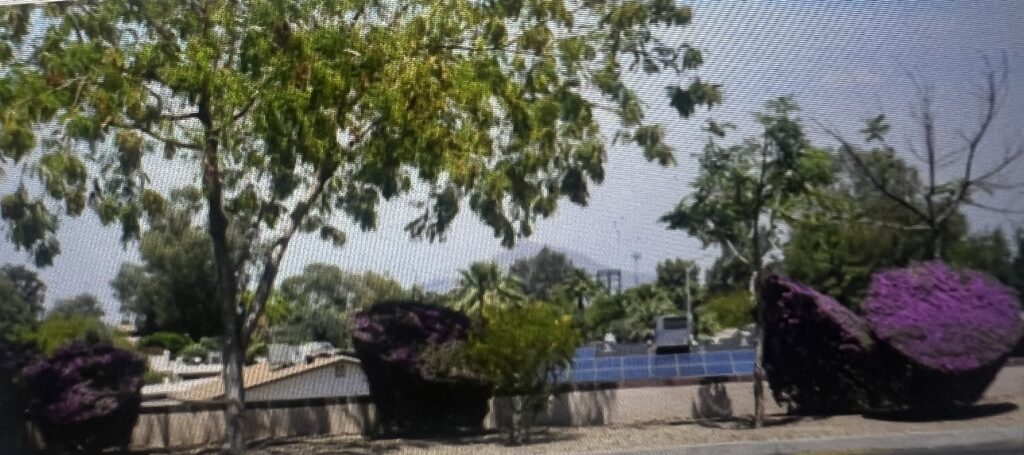
Foliage serves as a protective shield, helping a tree or shrub shade its inner core and roots from the intense sun. It’s best to leave your plants and trees untouched during the summer and to prune them lightly and minimally when the weather is cooler. Additionally, remember to choose the right plant for the right space. Before planting a shrub or tree, ensure it has adequate room to grow and spread, which can help reduce the need for heavy pruning later on.
5. Failing to check your irrigation system regularly. When it’s hot out there, it’s easy to leave the watering duties to your irrigation controller. Additionally, it’s typical for irrigation systems to run during the night because it’s a good idea to water when temperatures decrease after sunset. Still, there’s no one around to spot a broken emitter or water bubbling up from the ground due to a broken line. A broken sprinkler head can waste up to 7 gallons of drinking water per minute. A leak also means that somewhere in your landscape, plants or trees are not getting enough water to survive.
Take a walk around your yard periodically to check for signs of leaks. Watch your water bill for sudden increases in usage. These spikes could indicate a leak. It’s worth your while to turn on your irrigation system monthly and walk your property to look for leaks. Ask your landscaper to manually turn on your irrigation system and alert you to any leaks. AMWUA’s Smart Home Water Guide is a straightforward, step-by-step guide that helps you locate and repair leaks. Many cities also offer free irrigation classes to help you. Source: https://wateruseitwisely.com/blog/five-mistakes-that-harm-your-landscape-during-the-summer/
3. Upper Agua Fria Watershed Meeting Minutes. UAFWP Vision Statement: As prudent stewards of the Upper Agua Fria Watershed – which provides beauty, bounty and sustenance – we envision a sustainable multi-generational future of health and continued abundance achieved through best-practice management of this semi-arid watershed’s natural systems.
UAFWP Mission Statement: The Upper Agua Fria Watershed Partnership provides a regular forum to engage diverse stakeholders proactively to develop, discuss and coordinate:
Relevant objective information, Collaborative work projects, and
Best management policies concerning holistic, long term health of the watershed’s natural systems in the context of demographic and ecological change.
UAFWP August 5, 2025 Notes:
1.Introductions and Announcements: Dee Jenkins, Supervisor District 2, Yavapai County; Amber Pava, Assistant to Supervisors Jenkins and Check; Bill Fathauer, Chris Steuer, Arizona Metals – Kay Mine; Greg Watts, Black Canyon City, former Maricopa Flood Control District, 18 years with UAFWP; Alyssa Menzel, Longroad Energy; Russ Pilcher, Prescott, Sierra Club Exec Board, CWAG, Upper Verde Water Sentinel – monthly flow trending down, AF Wet/Dry mapping; Tim Flood, Secretary, FAFNM, Water Team Lead, AZ Riparian Council, Friends of Arizona Rivers;Monument; Ben Serpa, Yavapai County Flood Control; Tom Thurman, past Supervisor for 16 years, chaired P and Z for 5 years prior, Central Highlands Consulting, Long Road, Mayer Fire – Chair, Sun Corridor Trail, CTED, BCT, (Lake Powell so low like a river, side inlets clogged with algae and dead fish); Claire Lauer, ASU Innovation Institute, ASU Immersive Project; Ann Hutchinson, BCHP, DFLT, Daisy Mountain Trail, North Valley Outdoor Network (has been working on Dragon Bravo fire, dried out, resources hard to get, Kaibab Lodge protected for now); Mary Hoadley– Chair; Treasurer, FAFNM; and BCHP Board Member.
2. Welcome Supervisor Jenkins DJ: Appointed in April to replace James Gregory; served on Camp Verde Town Council and 3 terms as Mayor; familiar with the Verde Valley, participated in the Yavapai Apache Water Settlement. Working with Supervisor Nikki Check, proposing a Yavapai County Water Resources and Open Space Committee. Annual Black Canyon City Community Meeting scheduled for October 7, 2025 at the Canon School. DJ At this meeting to learn about its focus and activities. Ann Hutchinson will send info on the Water Immersive ASU project focusing on water issues in rural areas, including Black Canyon City, Cordes area and Mayer, leading to an exhibit.
3 ADEQ TMDL Study: Update from Clay Mansfield:” ADEQ has now received the proposed implementation plan from our contractor…currently undergoing a comprehensive internal review by various staff members. The review process involves a thorough assessment of several key aspects, including technical and financial feasibility, proposed timelines, and overall wording to ensure clarity and accuracy. After this review period, our contractor will revise the implementation plan based on ADEQ comments, and we expect a final draft of the entire TMDL report by mid-September”. August 6: Dewey Humboldt Town Council: discussion Iron King Super Fund Site with EPA and ADEQ. Michelle Rogow: shrink areas of contamination, cap with fill from ASLD borrow pits; continue remediating residential properties. ADEQ takes full responsibility for contamination in Iron King shafts from building and household waste dumping. “ SurfaceWater Concentrations of the primary COIs exceeded screening levels in much of Chaparral Gulch and Galena Gulch, and were higher in downstream reaches of these streams due to site‐related impacts. The highest concentrations of COIs were detected in surface water on top of, and at the base of, the MTP; in Chaparral Gulch downstream of Iron King Mine; and in the area of the Tailings Floodplain and Chaparral Gulch Dam. Site‐related contamination in the Agua Fria River was limited to locations near the Humboldt Smelter slag pile and at, and immediately downstream of, the confluence with Chaparral Gulch.”
4. Development Updates: Long Road Energy (www.longroadenergy.com/agua-fria; aguafria@longroadenergy.com; 833-367-7889). Application to County under thorough review to comply with Solar Ordinance. Full Application to Planning Staff today with comments incorporated from prior meetings with Planning staff. Eventually design and application will be available to the public after Staff Review; Grading, Landscaping, Stormwater plans included. Website update soon. When application reviewed, then to Planning and Zoning and the BOS. Application is in conformance with Solar Ordinance regarding setbacks from Agua Fria and Ash Creek at minimum of 500 feet; no waivers requested. Tim Flood TF: glad to hear about the setbacks around the river; northern end of the Agua Fria important for pronghorn. Has Longroad conducted any pronghorn surveys? AM: yes, coordinated with AZGFD, led to fencing modifications. At southern send of project near Agua Fria National Monument, design fully in compliance with setback requirements; an extensive wildlife protection plan. Any funding issues because of current administration policies toward renewables? EA due to BOR for Gen-tie portion because BOR is joint owner of the substation, does require approval from the Secretary of the Interior. Tom Thurman TT: worried about drought impacts on Colorado and Verde Rivers. If Glen Canyon Dam water levels drops 35 feet, it will impact electrical generation for APS. 400,000 homes need a back up which solar provides. Big Administration pushback is against wind. Longroad cut back acreage devoted to panels, compared to Candela. Community meetings for Longroad planned for September. Cordes Junction TA: problems with low production from well drilled, need 30,000 gal tank for fire suppression. Super Maverick Auto Center next to Medical Clinic had been planned, but shelved. Hope for Fire Station, Sheriff Station, maybe Road department office on County land at Cordes Junction. Spring Valley water problem during Wecom fiber optic installation. Pipes cut many times due to poor blue staking, but significant water not lost. Bradshaw Mountain Water issues due to increased use by residents. Heartland Ranch on Blue Bell Mine Road south of Mayer proposed for sexually damaged and trafficked kids. Orme School closed, still looking for buyer. Chauncey Ranch: Educational programs will still be held old Camp facilities.
5. Black Canyon City Water Issues:ADOT: <improvingi17.com>, 877-476-1717. Should be completed by end of the year. Arizona Metals, Kay Mine: Hotline: 623-252-2291; <kayexploration.com> Chris Steuer CS: 2 rigs continuing to work. Well level data 0.9 to 1.5 ft lower than in June. MH: had hoped rain July 2 and 3rd might have impacted well levels. Any drone footage of the river or Black Canyon Creek to help establish baseline? Greg Watts:GW: Black Canyon City Water Improvement District in is Level 4 drought emergency. BCCWID website shows water level drops in their wells over time. Black Canyon Travel Center on 22 acres on 4 parcels around Chilleans. Proposal approved by Planning and Zoning July 17. Two public meetings impacted the design: only auto fueling, food closes at 10 pm, night security, no over night truck parking, will provide 60 jobs. Signs to say “No Commercial Truck Diesel”. Rock Springs RV Resort: Google and County application comes up: parcel numbers, plans:123 RV spaces and 15 Glamping spaces, pool, other amenities. wastewater treatment area; ADEQ General Permit for 25,000 gpd treatment; subsurface leach field effluent dispersal.
6. Wildlife Connectivity: Central Arizona Wildlife Alliance (CAWA): Field trip Sept 20 (details in agenda); Pronghorn Film Festival in Prescott in October; exhibit at Prescott Library in August about Pronghorn. Amazon Warehouse proposed for parcel adjacent to Racetrack withdrawn. Amazon will improve current PV facility. Green Living Magazine hosted event: Innovating Water, Land and Wildlife in Prescott Valley. Ben Serpa attended: PV staff, SRP, Consultant, TNC, etc. described research project to improve stormwater management by increasing water infiltration using the Parjana system, star shaped i inch porous tubes drilled down below evaporation horizon to mimic tree root networks to increase infiltration (Tracy Lund discussed this at the July 1 UAFWP meeting). Pronghorn Ranch, to be a “net positive subdivision”. Kim Schonek TNC discussed local and far reaching wildlife connectivity, to Little Chino to Kaibab and Williams, including Sycamore Canyon. Regarding Water Issues: high density good if leaving more open space for ground water recharge and wild life connectivity.
7. FAFNM: Tim Flood: Wet/Dry Mapping; 40 to 50 miles in Monument and surrounding area; 2025 15/23 segments mapped. None in middle or south area, could still be done as no monsoon yet. “There is no flow”. Today Tim in Black Canyon City for Yellow Billed Cuckoo survey. Photos. No surface water. July 2, 3 river ran 3 to 4 feet but only for one day. Some trees have lost 75% of leave; 3 burros near Greg Watts house.They could be hazard if wander onto I-17. GW: squirrels and skunks looking for water. Max Miller who did GIS work for The Green Ribbon Project last year is helping process wet/dry data and compile for history since 2008.
8. BCHP: AH: BCHP free website redo, monthly fee for maintenance, using Word Press. AZ Community Foundation may help with the storage building remodel: training room, office, display for Daisy Mountain Firetruck, solar power. Fundraising may include naming rights. Earth Gives Day Oct 1. Pond clearing of cattails. Black Canyon City and north, 40 interviews by Paul and Monica started to learn local level of water understanding and questions. August 6, 2025 focus group changed to August 15 at BCC High Desert Park, 2 focus groups 6 – 8 pm. All are welcome to these meetings, all issues welcome; Contact Claire Lauer (claire,lauer@asu.edu) What people value about living in the watershed :prioritize values, choices around water. Waterways Kiosk may go to Cordes Lakes Community Center.
9. UAFWP Organizational efforts: Tabled. Mary Hoadley MH: Website in place before reaching out to green ribbon contacts? Review www.aguafriawatershed.org. Build on this site that was developed for the BCC Smithsonian Exhibit or start fresh? Main target audience? How to describe us? Are there sites we’d like to emulate? Critical info to include? MH: some ideas: Stakeholder Meetings, need PO Box, e-mail, establish committee to work on all these issues. TF: Committee good idea, willing to serve. MH: will look for more possible members.
10. Other: Protect AZ Waters: info @azcrosswatershed.net, The AZ Cross-Watershed Network’s Advisory Committee meeting on 7/15/25 included 35 participants representing diverse organizations and agencies across Arizona’s watersheds. The tone was energizing and inspiring. Four key themes emerged as priorities for collective work: Supporting watershed practitioners on critical topics (e.g., groundwater decline/policy), Building supportive, connected communities, Advancing workforce development and coordination, Ensuring accessible and continuous data.
Next Meeting: September 2, 2025, on line at 10 am. [Contact editor for unedited version of minutes]
Copyright 2025t@EnviroInsight.org
