
Daniel Salzler No. 1318
EnviroInsight.org Four Items August 8, 2025
—————Feel Free To Pass This Along To Others——————
If your watershed is doing something you would like others to know about, or you know
of something others can benefit from, let me know and I will place it in this Information .
If you want to be removed from the distribution list, please let me know.
Please note that all meetings listed are open.
Enhance your viewing by downloading the pdf file to view photos, etc.
The attached is all about improving life in the watershed through knowledge.
If you want to be removed from the distribution list,
please let me know. Please note that all meetings listed are open.
Check our website at EnviroInsight.org
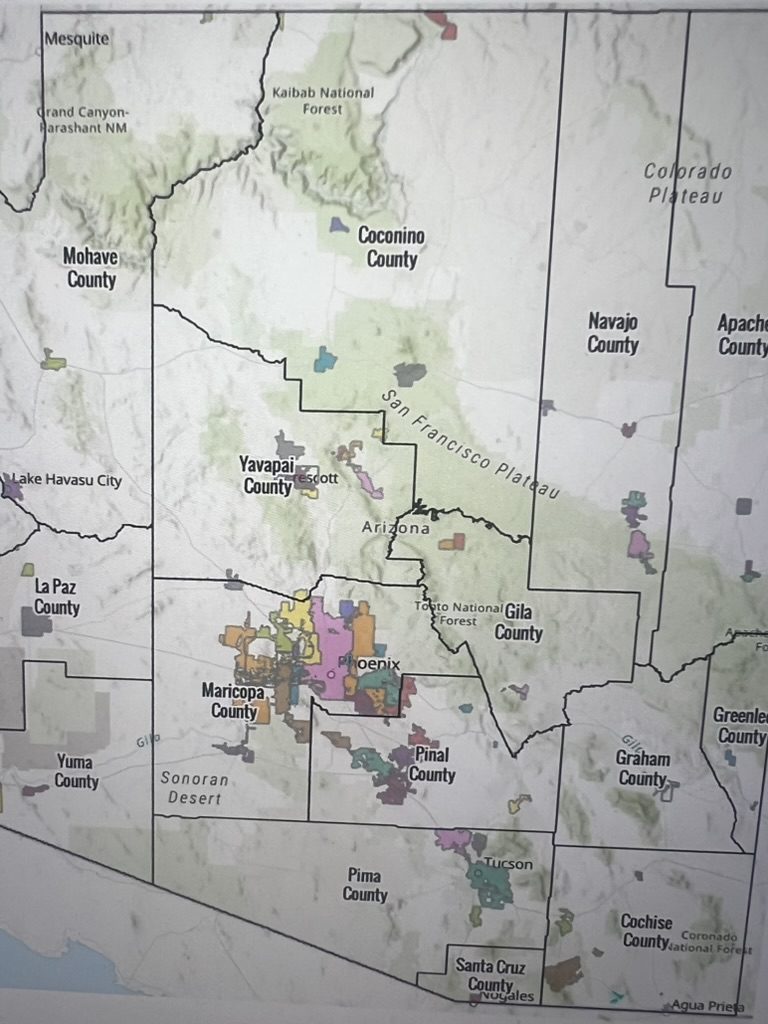
- ADEQ’s Recycling Locator. The Arizona Department of Environmental Quality Recycling Unit has launched a Recycling Locator and Information web site.
Use this site to find information on E-Waste, Household Hazardous Waste (HHW) and General Recycling in your community. Click below to learn how to use the tools in this app.See Instructions
What is E-Waste, HHW and General Recycling?
E-Waste
Definitions of e-waste can vary slightly, although e-waste is generally considered to be any electronic device or appliance that has been discarded. Another way to describe e-waste is anything with a cord or that runs on batteries.
The following items are considered e-waste:
- Device Chargers
- Televisions / Monitors
- Mouse / Keyboard / Cable(s) / Cord(s)
- Computers / Laptops / Servers
- DVD Players / VHS Players / Cassette Players
- Phones / Cell Phones / Answering Machines
- Speakers / Stereo Equipment
- Wire / Cabling / Printed Circuit Boards
- Microwave Ovens / Toasters / Small Appliances
- Rechargeable and Alkaline Batteries
- Printers / Fax Machines
- Video Game Consoles / Accessories
Please note, it is important to check with the e-waste recycler to verify what they can collect.
HHW
HHW is household waste that can catch fire, react, or explode under certain circumstances, or that is corrosive or toxic.
The following items are considered household hazardous wastes:
- Paint
- Oil
- Chemicals
- Antifreeze
- Pesticides
- Compressed gas tanks
Other items accepted by the HHW recycler (please note, it is important to check with the HHW recycler to verify what they can collect)
General Recycling
General recycling is usually collected in a blue bin either curbside or in a drop off program and contains household items.
Items that can generally be recycled include:
- Paper/Cardboard
- Plastic
- Glass
- Metals like aluminum and tin
**Check it out** Click on the Recycling Locator and then on the arrows at the bottom of the side bar.
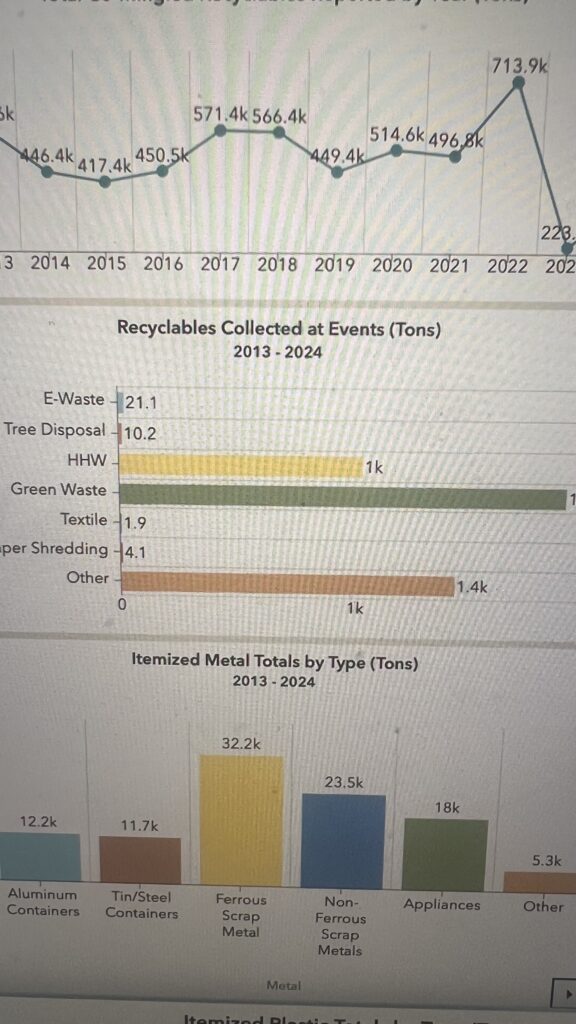
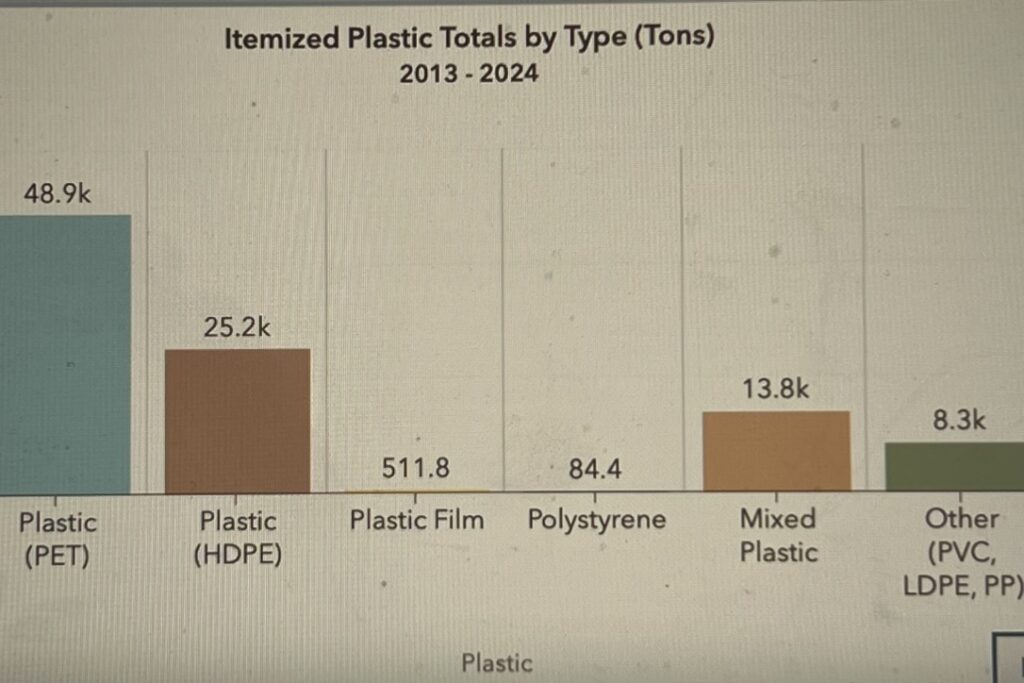
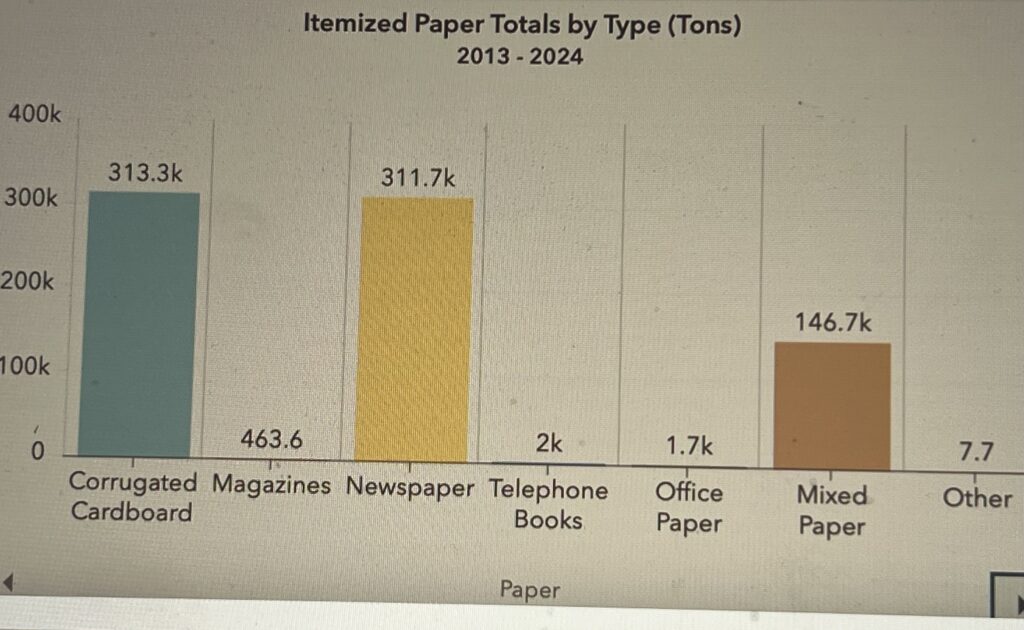
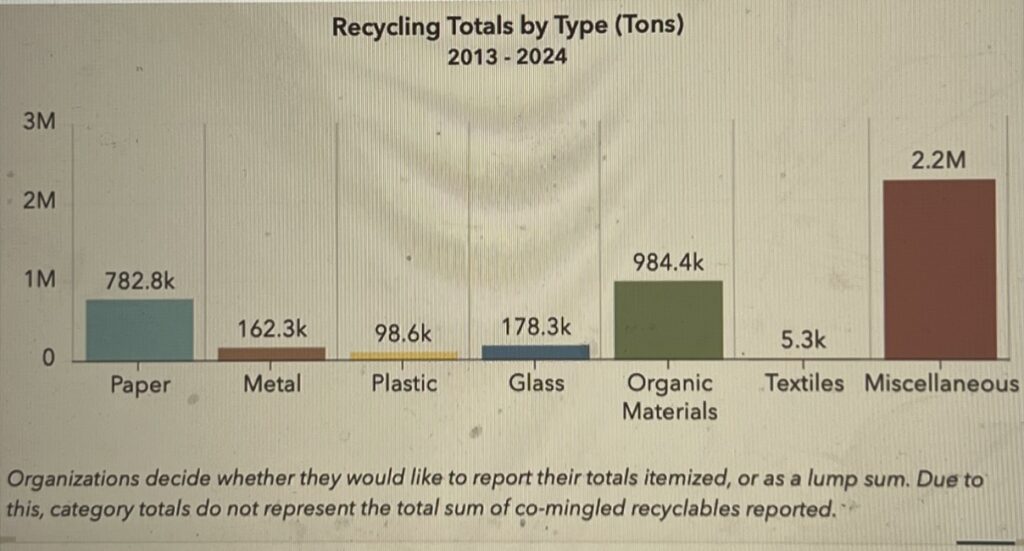
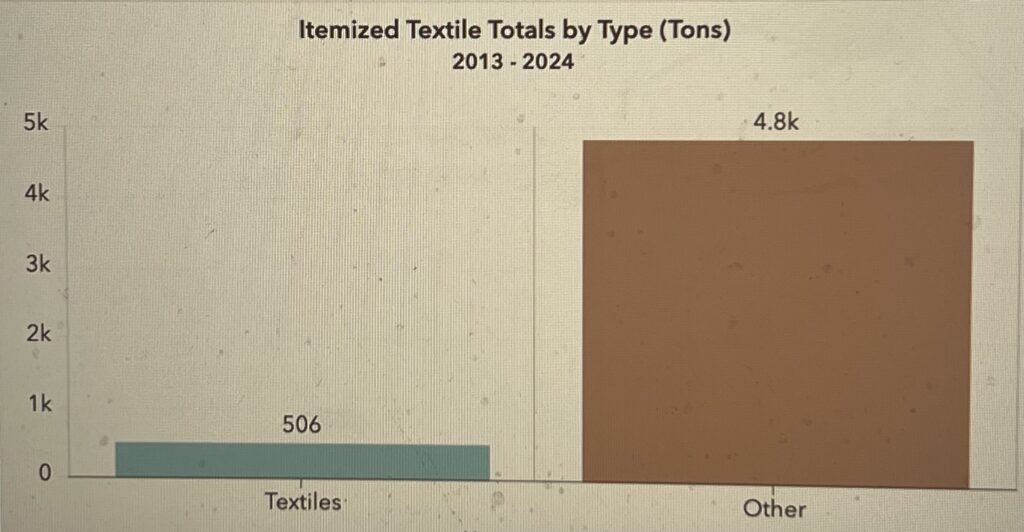
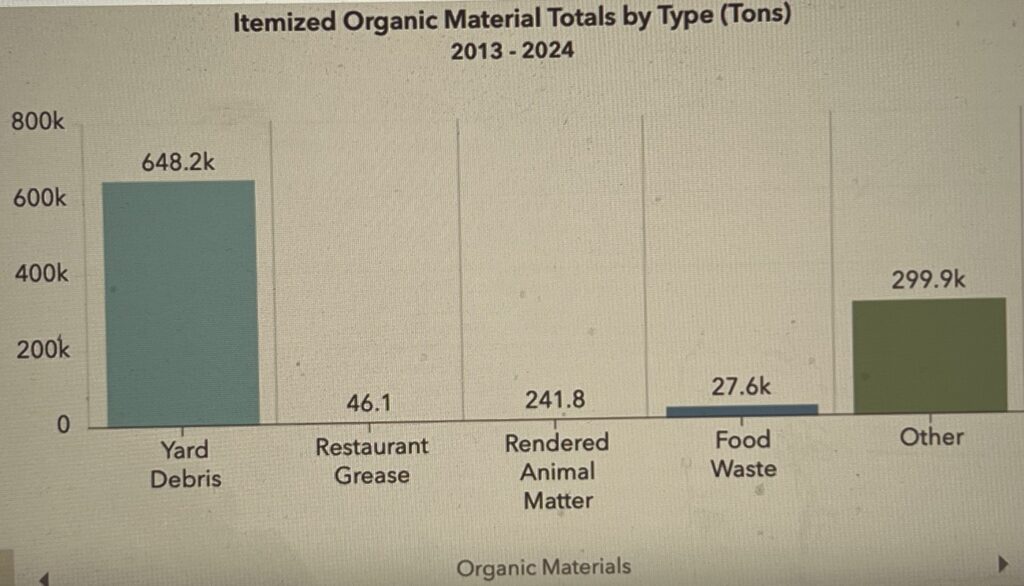
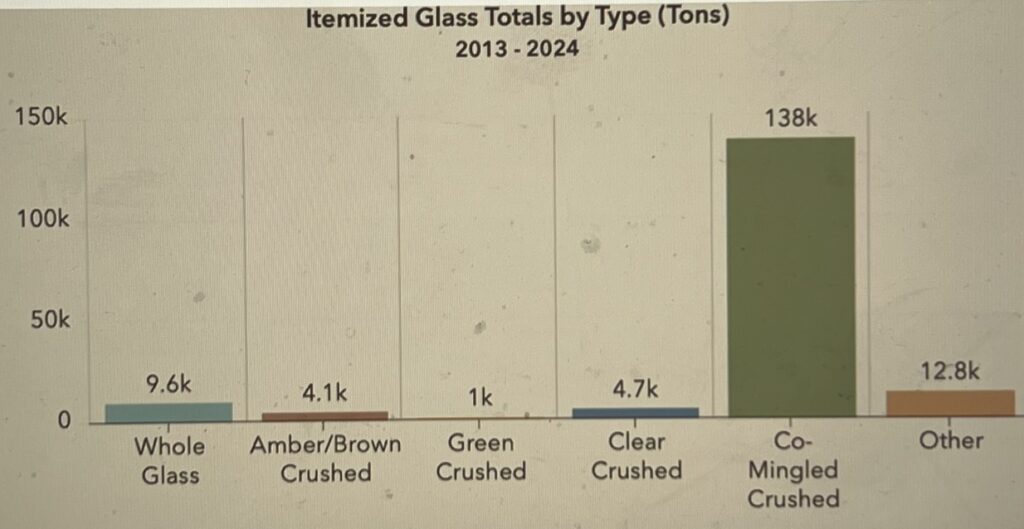
ADEQ cannot verify that the items listed above will be accepted at all locations. Please contact the facility for more information go to https://experience.arcgis.com/experience/6ab7b53043e64f4f917d76169e303ec6#data_s=id:dataSource_1-189092c8e74-layer-4:78
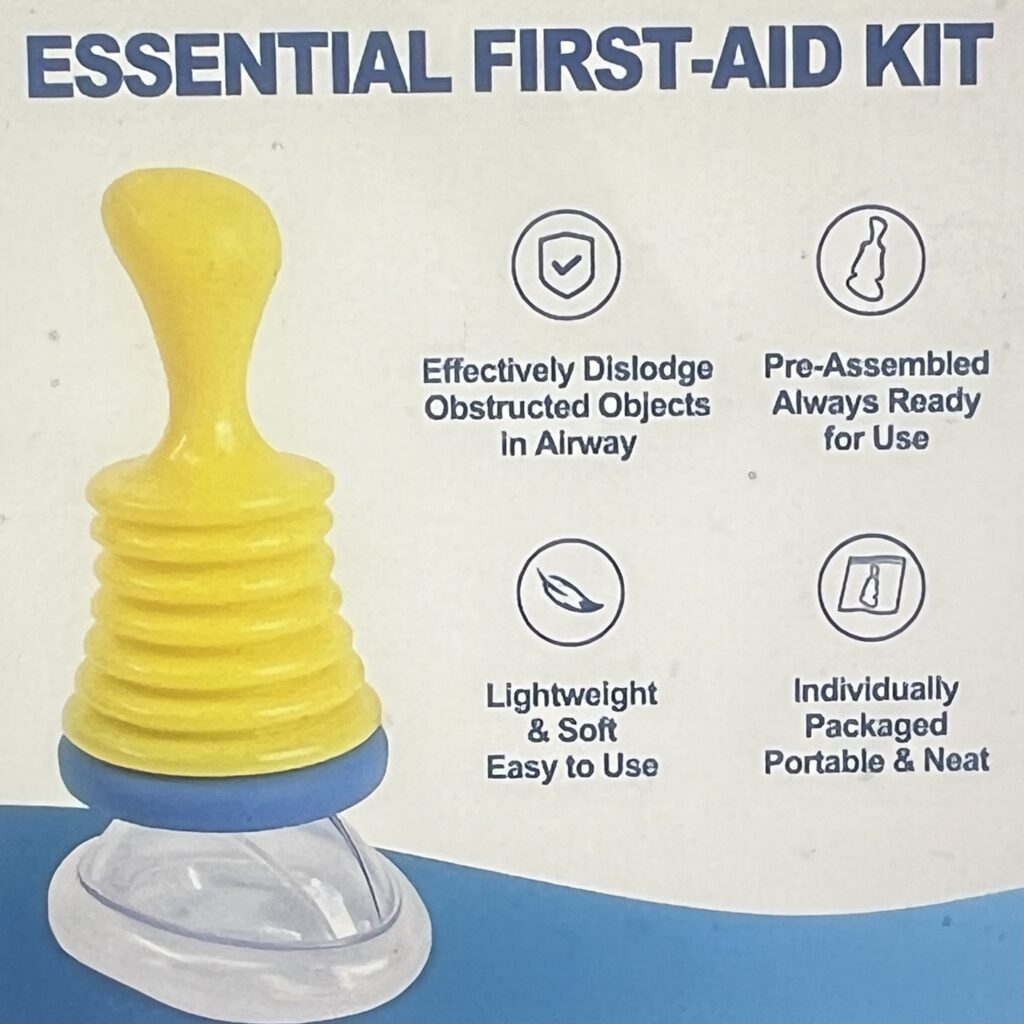
2. Life Saving Invention Every Home Should Have: LifeVac. This is a nifty item that can allow you to save your own life as well as the life of others in your home. For a You Tube video demonstration, go to https://www.youtube.com/watch?v=310jxPtxH1o#ddg-play
3. Trump Administration Aims to Roll Back Bedrock Climate Tool. Plan to rescind ‘endangerment finding’ would upend efforts to curb emissions
The EPA seeks to rescind the 2009 “endangerment finding” that greenhouse gases threaten public health and welfare.
WASHINGTON—The Trump administration is taking a big swing at toppling a landmark scientific finding on greenhouse-gas emissions that the government has used to regulate emissions from power plants, aircraft, cars and more.
The Environmental Protection Agency said Tuesday that it was seeking to rescind what’s known as the government’s endangerment finding. The 2009 declaration states that greenhouse gases threaten public health and welfare by raising global temperatures, increasing the likelihood of heat waves, more intense hurricanes and storms with heavy rainfall.
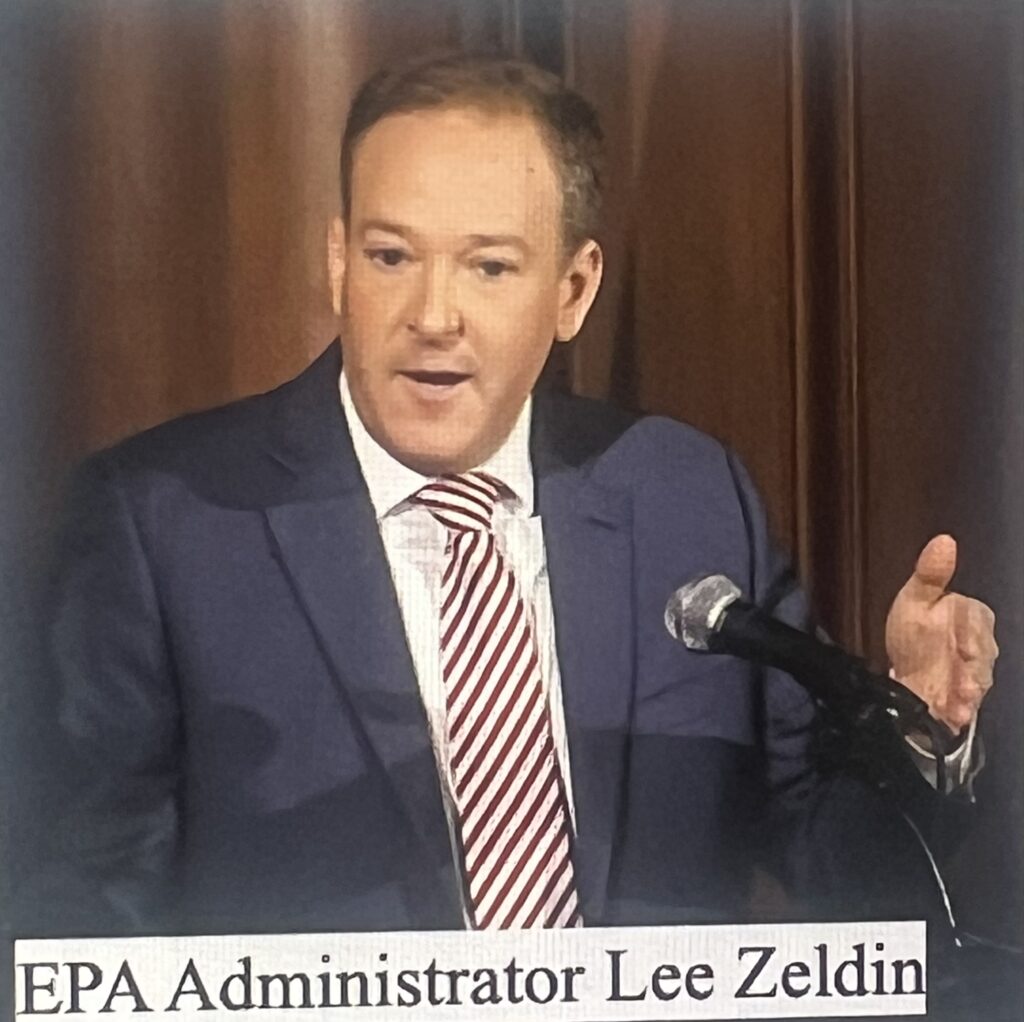
The EPA said the endangerment finding has been used to justify $1 trillion in regulations, though it didn’t provide details behind the figure. By rescinding the finding, the agency would “end 16 years of uncertainty for automakers and American consumers,” EPA Administrator Lee Zeldin said.
In a 302-page proposal to rescind the declaration, the administration argues that the original 2009 finding was “unduly pessimistic” regarding increases in greenhouse gas emissions and global temperatures, which it said peaked in the 1930s and have remained relatively stable since then.
Data collected by the National Oceanic and Atmospheric Administration—and the EPA itself—contradict that claim, finding that average global atmospheric temperatures are at their highest level since record-keeping began in the 1850s. Despite mounting public attention to extreme weather, such events haven’t increased relative to historic highs, the EPA proposal states.
Concentrations of greenhouse gases—such as carbon dioxide and methane that trap the sun’s energy and warm the atmosphere—are at their highest level in 800,000 years, according to the EPA’s website, which notes the temperature records contained in ice cores, tree rings and other proxy records of the past atmosphere.
The new proposal states that there may actually be benefits to warmer temperatures and higher CO2 levels that haven’t been considered by previous EPA officials, such as higher crop yields and longer growing seasons.
“CO2 is necessary for human, animal and plant life, and advances public health,” the proposal states.
Higher CO2 levels and hotter temperatures also can lead to heat stress for plants, increased risk of droughts and more pests and diseases, according to the 2023 National Climate Assessment, a congressionally mandated document produced by scientists at 14 federal agencies.
The EPA has used the endangerment finding to regulate emissions from power plants, aircraft, motor vehicles, landfills and oil and gas producers. That has forced automakers to adopt technologies that curb emissions and has spurred the advance of electric vehicles and lithium-ion batteries.
SHARE YOUR THOUGHTS
What impact could the EPA’s proposal have on public health and safety? Join the conversation below.
As part of the proposal, the administration is seeking to rescind rules limiting CO2 emissions from vehicles, dealing a blow to efforts to promote the adoption of electric vehicles and reduce emissions from fuel-burning cars, trucks and buses.
The endangerment finding is based on decades of scientific evidence that greenhouse-gas emissions are warming the planet. Critics say the declaration’s claim that CO2 emissions are a pollutant is misguided and that such a major policy should only be implemented by an act of Congress. They also say the government over the years has made it more expensive to build and maintain fossil-fuel power plants, straining the grid as energy demand is on the rise.
“The real cost is the absence of new natural gas and coal plants that could be meeting the growing demand for electricity right now,” said Travis Fisher, who served in the first Trump administration and is now the director of energy and environmental policy studies at the Cato Institute, the libertarian think tank.
The EPA, traditionally one of the strongest advocates for the economic benefits of curbing emissions, last year estimated that the U.S. would see a net benefit of $20 billion a year from new pollution standards for fossil-fuel-fired power plants.
Rescinding the endangerment finding could set off a scramble among companies that have spent billions of dollars to comply with regulations based on it. U.S. automakers have embraced efforts to transition to electric vehicles, though some said the Biden administration’s goals to slash vehicle emissions were too ambitious. It also could result in legal and regulatory challenges as environmental groups and others fight the proposal in court, leaving companies governed by the rule in limbo. The proposal to rescind the finding will have to go through lengthy comment period, overseen by the EPA, and almost certainly will be challenged in court by environmental groups in a process that could take several years. “We will certainly fight it,” said David Doniger, senior attorney at the Natural Resources DefenseCouncil. A central issue in any court challenge will be the science about the harmful effects of climate change. The 10 hottest years in the global average temperature record have occurred since 2015, according to the NOAA.
“There is no sound basis in science or economics to disregard a warming world that imposes over a hundred billion dollars a year in losses on households, small businesses and shareholders,” said Jesse Keenan, an associate professor at Tulane University and one of the National Climate Assessment’s authors. Source:WSJ July 29, 2025.
4. Arizona Officials Shift Focus To Secure State’s Share Of Colorado River.
Key Points:
- Officials celebrated the passage of Ag-to-Urban groundwater legislation on July 29, but noted more work needs to be done
- Gov. Katie Hobbs and Republican Sen. T.J. Shope are setting their sights on ongoing Colorado River negotiations
- Shope said lawmakers are beginning to discuss a “game plan” for legislative approval of a potential Colorado River agreement
Arizona officials are celebrating the passage of new groundwater legislation, but setting their sights on getting Colorado River negotiations across the finish line in 2026.
At a bill signing for Sen. T.J. Shope’s “Ag-to-Urban” legislation, Gov. Katie Hobbs, state lawmakers, local officials and farmers said the bill was a step in the right direction for water conservation. But almost all of those officials also acknowledged that it is only one piece of the puzzle.
The legislation allows housing developers operating under water restrictions to purchase the water rights of farmers heading into retirement. The governor anticipates it will result in the construction of tens of thousands of homes and the conservation of 10 million acre-feet of water, yet that alone may not be enough.
“Ensuring that Arizona gets our fair share of Colorado River water is critical,” Hobbs told reporters after the signing. “It’s maybe the most critical issue in front of us in terms of water management.

Arizona’s share of the Colorado River water, which is split between seven Western states, remains undecided as the states renegotiate their agreement to divvy up the water. Negotiations have been tense due to disagreements over which states should bear the brunt of usage cuts, but an agreement could be on the horizon.
The Lower Basin states, Arizona, California and Nevada, put a new proposal on the table in late June, which seems more agreeable to the Upper Basin states, Colorado, New Mexico, Utah and Wyoming. The new proposal would use a formula to determine how much water each state gets based on actual water flows from the river in preceding years.
A new agreement to replace the original Colorado River Compact must be in place by October 2026 and the federal government is warning that if a draft agreement isn’t on the table by Nov. 11, federal officials will intervene. The agreement must go through environmental review and be approved by Congress in order to take effect.
Arizona will face a unique hurdle in the process of adopting a new compact: legislative approval. Shope said Arizona is the only Colorado River state that requires its legislature to approve any agreement the governor enters into.
Getting a majority of Arizona’s 90 lawmakers to agree to support a new Colorado River Compact could be tough. Groundwater has been a particularly sensitive issue in the Legislature, with Republican Rep. Gail Griffin largely seen as the arbiter of water legislation in rural communities.
Griffin has long opposed any groundwater management proposals that restrict farmers or take away local control from rural cities and counties. Arizona could face drastic cuts to its Colorado River supply under various proposed agreements, which would be a hard sell for Griffin and other rural lawmakers.
The Republican-controlled Legislature may also be reluctant to give Hobbs any wins before her reelection campaign in 2026.
Additionally, many lawmakers are unhappy with the Department of Water Resources and its director Tom Buschatzke, who is representing the state in Colorado River negotiations, over their handling of groundwater management in the state.
And all of those conversations rely on the Colorado River states coming to an agreement, which is still tenuous. If the federal government intervenes as promised, it could prompt lawsuits, for which Hobbs noted the state is fully prepared.
“It is critical that Arizona is not taking the brunt of federal cuts that will result if we don’t get a fair deal,” Hobbs told reporters. “I was able to secure $3 million in the state budget that ensures that we’re ready to fight for our share if we have to. But I’m hopeful that we can come to some resolution.” Source:Reagan Priest Arizona Capitol Times//July 30, 2025
Copyright@EnviroInsight.org
