
Daniel Salzler No. 1314
EnviroInsight.org Four Items July 11, 2025
—————Feel Free To Pass This Along To Others——————
If your watershed is doing something you would like others to know about, or you know
of something others can benefit from, let me know and I will place it in this Information .
If you want to be removed from the distribution list, please let me know.
Please note that all meetings listed are open.
Enhance your viewing by downloading the pdf file to view photos, etc.
The attached is all about improving life in the watershed through knowledge.
If you want to be removed from the distribution list,
please let me know. Please note that all meetings listed are open.
Check our website at EnviroInsight.org
1. Cienega Ranch, Wilcox, AZ Consists of 33,000 Acres Of Ranch Land Protected.
Cienega Ranch once contained numerous wetlands surrounded by thousands of acres of native grasslands, as its name implies. (Cienega refers to springs that create a wet marshy area.) Ranchers in this valley next to the iconic Chiricahua Mountains pass on stories of how their parents went to swim and cool down in the wetlands of the ranch.
When the Cienega Ranch owner, Josiah Austin, acquired the lands that now make up the 33,000-acre ranch, there wasn’t much left of the cienegas except these fading memories. The ranch was cut with a network of steep, eroded gullies dotted with shrubs, and there wasn’t enough water or grass for the cattle and wildlife that rely on the land.
Since taking over the ranch, Austin has improved and restored its grasslands, established successful cattle ranching practices, and worked with Trust for Public Land to permanently conserve the ranch through conservation easements. His work includes improving wetlands health, managing herd size and livestock practices to increase grassland health, and reintroducing wildlife such as fish and frogs.
“I feel very strongly that the cattle operation should coexist with wildlife,” he says. “The cattle operation is important, but it’s just one aspect of my responsibility to this land.”
Austin’s work and collaborations prove that you can operate a working cattle ranch and preserve important lands simultaneously. The conservation easements arranged by TPL allow and encourage continued restoration and cattle operations at the ranch but prevent development and uses that are not consistent with protecting the habitat.
A critical partner, New Mexico Land Conservancy, is responsible for annual monitoring and enforcement to make sure that the conservation provisions of the easements are followed by future ranch owners. The Nature Conservancy in Arizona has also provided support and partnership, including analyzing conservation science and data to identify this landscape as critical for wildlife.
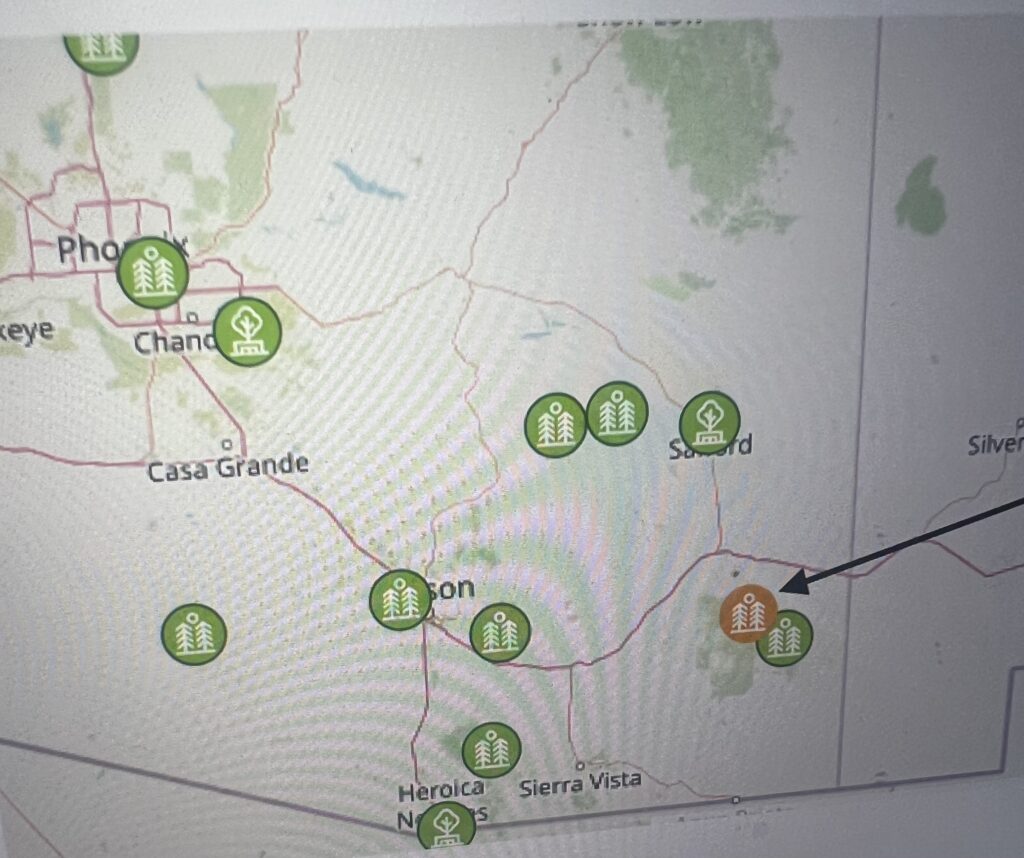
The benefits extend beyond saving Austin’s cattle operation. Cienega Ranch provides critical wildlife habitat for birds, bats, deer, and even the endangered jaguar in one of North America’s most biologically diverse corners.
The health of adjacent and nearby public lands also depends on keeping large ranches like Cienega Ranch intact. Any development of these grasslands would significantly disrupt the preservation of this ecologically and historically rich environment.
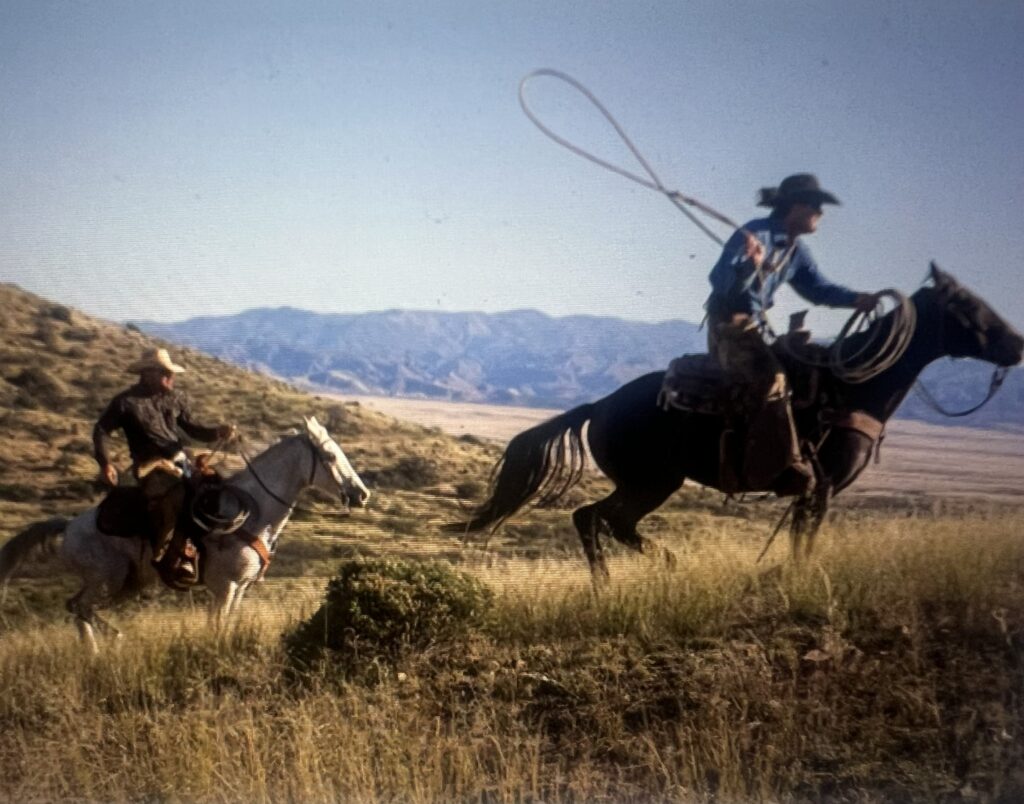
“The grassland in this valley where Cienega Ranch is located contains critical habitat for endangered wildlife, supports large working cattle ranches for America’s food supply, and provides substantial amounts of carbon storage to help mitigate climate change,” says Michael Patrick, senior project manager for Trust for Public Land. “This conservation victory means that Cienega’s rich ecosystem can flourish and thrive, cultivating healthy grasslands for years to come.”
On any given trip to Cienega Ranch, a visitor might see leopard frogs mating in a pond, researchers checking remote cameras where the endangered jaguar was photographed, or long-nosed bats feeding at hummingbird feeders outside the ranch house.
TPL continues to partner with Austin and imagine future improvements, such as a new rock gabion retaining wall in Wood Canyon and a wildlife project with the Arizona Game and Fish Department. Cienega Ranch is truly a place where great collaborations happen and where TPL is proud to be a partner.
Cienega Ranch
The high-quality native grasslands of southeast Arizona provide critical wildlife habitat in one of the most biologically diverse corners of North America. Birds, bats, deer, and the endangered jaguar are just some of the species that live around the Chiricahua and Dos Cabezas mountain ranges, also known as “sky island” mountains because of their abrupt rise above the surrounding countryside. Home to several important public lands such as Fort Bowie National Historic Site and Chiricahua National Monument, this expansive landscape also contains a number of large cattle ranches. But the grassland valley faces numerous threats including residential subdivision and irrigation techniques that would deplete this critical ecosystem, the species it supports, and the carbon it stores.
2. EPA Employees Take Stand Against Trump Administration. 324 EPA employees signed a public declaration of dissent, which was sent to EPA Administrator Lee Zeldin and highlighted five areas of concern.
U.S. Environmental Protection Agency (EPA) employeesvoiced their concerns in a declaration to EPA Administrator Lee Zeldin regarding recent policies and changes to the agency.

“Today, we stand together in dissent against the current administration’s focus on harmful deregulation, mischaracterization of previous EPA actions and disregard for scientific expertise,”the letter read.
The letter to Zeldin outlined five concerns with a goal of restoring EPA’s credibility “as a premier scientific institution.”
Five primary concerns
- Politicization and loss of public trust
The letter states that agency leadership has used official communication channels for partisan messaging and misinformation. Examples include:
Calling EPA grants “green slush funds”
Promoting “clean coal”
Attacking members of congress
Pushing political agendas such as tariffs
These actions could potentially violate the Hatch Act, which aims to maintain a non-partisan civil service by preventing federal employees from using their positions to engage in prohibited political activities.
2. Disregard for scientific expertise
The declaration states that the administration is ignoring the agency’s own science on public health risks such as asbestos, mercury and PFAS. EPA employees highlighted the stark contrast between promoting fossil fuels while rolling back support for clean energy projects and electric vehicles.
The letter also criticized the administration for embracing AI without addressing its environmental costs, such as the intense use of environmental resources, and highlights the decisions that contradict peer-reviewed science.
3. Harm to communities
The gutting of environmental justice programs could be detrimental to vulnerable communities, according to the letter. Administrator Zeldin was criticized for effectively dismantling these programs which addressed the disparity of disadvantaged communities by funding states, cities and communities around the country through grant programs.
The elimination of these programs disproportionately harms underserved communities and reverse progress on equity, according to the letter.
4. Dismantling the Office of Research and Development (ORD)
EPA employees wrote in the letter that proposed restructuring threatens independent science byrelocating ORD under political oversight. Budget cuts and staff reductions would cripple the agency’s scientific capabilities.
5. Toxic work culture and staff retaliation
The EPA employees stated that they face fear, trauma and retaliation. Office of Management and Budget Director Russell Vought stated that he wants personnel to live in a constant state of trauma.
The letter highlights that the administration has fired or forced onto administrative leave several categories of employees, including those responsible for environmental justice and diversity, equity, inclusion and accessibility (DEIA) initiatives. Probationary employees, including a range of students and recent graduates, have also been targeted.
Call to action
EPA employees have asked Administrator Zeldin to live up to his confirmation testimony and stated values, which included the acknowledgement of climate change, the benefits of clean energy, the economic need for environmental injustice and the importance of protecting human health. Source: WaterWorld, July 1, 2025.
3.EarthJustice Sues The Trump Administration. EarthJustice.org is a non-profit environmental watchdog group that monitors the environment and how it affect people, places, animals and plants. Here is a list and link to all of their lawsuits:
Everglades Detention Center
Organophosphates Ban Delay
EPA Grant Program Terminations
Email to Pollute
USDA Grant Terminations
Pacific Marine Monument
NEVI Intervention
Gulf BiOp II|
Wind Amicus
12(a) Revocation Challenge
IRA Grants Freeze
NYC Congestion Pricing
To read more about each lawsuit, go online to EarthJustice.org
4. Keep Your Family Safe Around The Pool This Summer. It’s hot out there and perhaps you have a pool at or near your home to cool off. Regardless of age (1 yrs old to 95yrs old), create a plan to prevent a drowning. There has already been a number of drownings in Arizona, this summer season. We all must stay vigilant and informed – never swim alone!
To help protect your, please follow the simple life-saving tips:
Pool safety tips for families
a) Supervised children-always watch children in or near water. Never leave them unattended.
b) Learning to – enroll children and adults and swim lessons as early as possible
c) Know, Your Drains – teach children to avoid pool and spa drains

d) Ensure compliance – check that all pools have fences and spas have federally compliant drain covers.
e) Install safety – use a pool cover, and alarms to create layers of protection when pool is not in use.
f) Learn CPR for both children and adults -you can save a life in an emergency
g) Join others across the country and take the pool safety pledge today
You can also explore these trust resources for even more water, safety education:
American Red Cross water safety
National drowning prevention alliance:x 51 layers of protection
Step into swim
Pool, safety safety tips, and free materials
Please take a moment this summer to talk to your loved ones about water safety
5. Celebrating Our Independence In Less Than A Stellar Fashion. The 4th of July has come and gone. And yet, the results of all of the fireworks explosions may reside with us for some time.
There are consequences of fireworks? Consider the following.
While they may be dazzling to us, the loud booms and bright flashes can cause real harm to animals, the environment, and even our neighbors.
Here are some of the Lesser known, but very real consequences of fireworks:
People with PTSD
For veterans and trauma survivors fireworks can trigger flashbacks and anxiety. The, explosive sounds may resemble gun fire, making these holidays like the Fourth of July, especially difficult.
Bees lose their way
Fireworks can disorient bees, disrupting their delicate navigation system. Allow vibrations and smoke interfere with their ability to return to their hives, sometimes fatally.. This is especially concerning during peak pollination season, when bees are vital to the local ecosystems and agriculture.
Birds in panic
Explosions at night can cause birds to flee their roost in terror. In some, entire flock have crashed in the building. Buildings have flown out to sea., unable to return. One infamous event occurred in Arkansas, where they saw thousands of red wing blackbirds fall from the sky after a fireworks display.
Wildlife abandoning their young
Loud, unpredictable noises can cause wild animals – including deer, foxes and raccoons – to flee their dens, leaving behind vulnerable offspring. Wildlife rehabilitation centers, report spikes and orphan animals after fireworks-heavy holidays.
Toxic debris in waterways
Fireworks leave behind debris that often ends up in lakes and rivers. Fish and aquatic animals may ingest the waist., which contain harmful chemicals like perchlorate and heavy metals. These pollutants can disrupt entire aquatic ecosystems. This includes backyard pools that we swim in.
Pets in distress
Many dogs and cats suffer from severe anxiety during fireworks. They made trouble., hide, bar, or even flea. Animal shelters often see a surge in lost pet pets after fireworks events.. horses and livestock are also at risk of injury when startled.
Environmental and fire risks
Fireworks contribute to air and water pollution and increase the risk of wildfires, especially in dry regions. And 2018 alone fireworks caused nearly 20,000 fires in the United States.|
Source: Lupe Conchas, Glendale City Councilman

Copyright @EnviroInsight.org
