
Daniel Salzler No. 1311 EnviroInsight.org Seven Items June 20, 2025
—————Feel Free To Pass This Along To Others——————
If your watershed is doing something you would like others to know about, or you know
of something others can benefit from, let me know and I will place it in this Information .
If you want to be removed from the distribution list, please let me know.
Please note that all meetings listed are open.
Enhance your viewing by downloading the pdf file to view photos, etc.
The attached is all about improving life in the watershed through knowledge.
If you want to be removed from the distribution list,
please let me know. Please note that all meetings listed are open.
Check our website at EnviroInsight.org

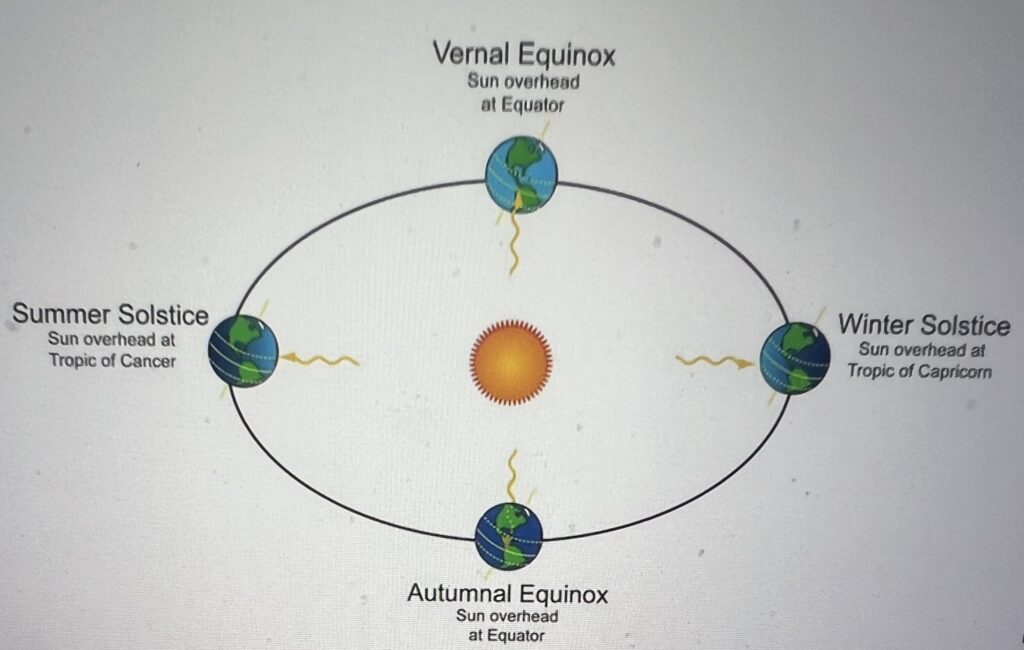
1. It’s Been Really Hot Lately But Summer Doesn’t Begin Until June 20th. Summer begins with the solstice on Friday, June 20, 2025, marking the astronomical first day of summer in the Northern Hemisphere. What exactly IS the summer solstice? Is it really the longest day of the year? Welcome the solstice with some interesting facts.
The June Solstice
In the Northern Hemisphere, the June solstice (aka summer solstice) occurs when the Sun travels along its northernmost path in the sky. This marks the astronomical start of summer in the northern half of the globe. (In the Southern Hemisphere, it’s the opposite: the June solstice marks the astronomical start of winter when the Sun is at its lowest point in the sky.)
When Does The Summer Solstice Actually Start?
The June solstice occurs on Friday, June 20, 2025, at 10:42 P.M. EDT.
2. New Algae System Helps Arizona Farmers Grow Better Crops with Less Water. Algae project is a collaboration between ASUand Phoenix-based company MyLand
Ed Curry is passionate about the green, red and yellow chile peppers he grows on his 3,000-acre farm in Pearce, Arizona, about 90 minutes southeast of Tucson.
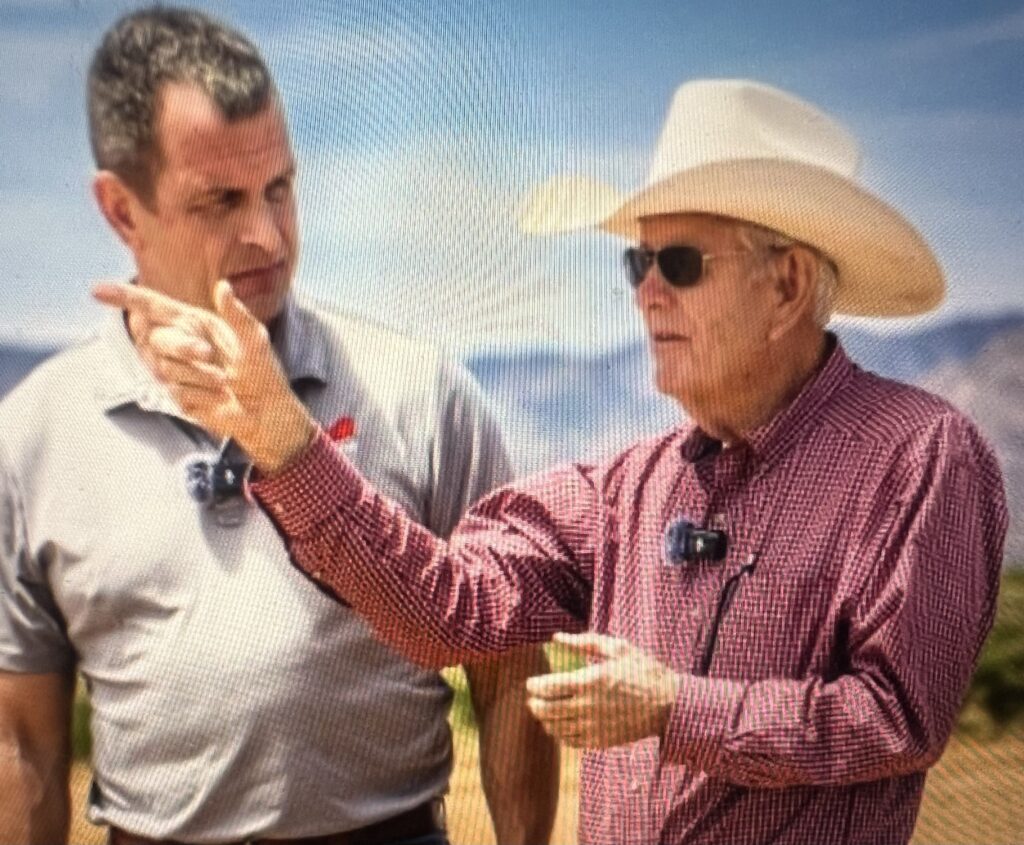
He’s also passionate about saving water.
A new technology Arizona State University is analyzing and promoting has combined his love for spice and conservation.
“On the farm we have a saying: Make more crop per drop,” said Curry, who founded Curry Seed & Chile Co. in 1976 and is a member of Arizona Gov. Katie Hobbs’ Water Policy Council. “Our goal here is to cut our water usage whenever we can.”
Curry said he cut about 50% of his water usage in the 1990s by going to a drip system. More recently, he estimates he’s cut another 10% through a new soil service.
ASU and MyLand, a Phoenix-based soil health company, demonstrated how soil health innovation can drive measurable water conservation at Curry’s farm at an event on May 14. This is achieved by using live, native microalgae to improve soil so that farmers like Curry can achieve greater water efficiency, increased yields and reduced environmental impact.
With more than 900,000 acres of irrigated farmland in Arizona, the potential for large-scale impact is significant.
“This is a carbon story and a water story because atmospheric carbon is being converted into food, using water as the medium,” said Enrique Vivoni, Fulton Professor of Hydrosystems Engineering in the School of Sustainable Engineering and the Built Environment and the director of the Center for Hydrologic Innovations. “Our goal is between 7% to 15% water savings to demonstrate the water efficiency gains from better soil health.”
Thanks to a grant administered through the Water Infrastructure Finance Authority of Arizona, the project will provide free access to a nature-based soil health technology across thousands of acres of Arizona’s commercial farmland. This effort aims to enhance water efficiency, reduce water consumption and improve water quality in the state’s agriculture sector.
“I’m really excited to see these kinds of efforts,” said Paul E. Brierley, director of the Arizona Department of Agriculture, who was also at the event in Pearce. “I once headed a commission titled the Advisory Commission on the Future of Food and Agriculture Production in the Drying Climate. I found that one of the most challenging things was getting people to focus on agricultural production because everybody wanted to solve climate change, or they wanted to augment the water supply.
“What we’re really talking about is how can we keep agriculture productive, even in the face of less water? Which is what we’re facing here in this county. So, there’s a lot of different ideas, a lot of different solutions.”
MyLand came up with this idea almost 15 years ago, according to Dave Booher, senior vice president of sales.
“The company was founded in 2011 by three individuals with a passion for agriculture and thinking of a better way to regenerate the soil,” Booher said. “We spend a lot of time treating things above ground but haven’t really thought about the potential for what’s below ground.”
MyLand’s “Soil as a Service” approach uses live, native microalgae to improve soil health and influence biological, physical and chemical changes in the soil. These changes enhance the soil’s ability to hold and utilize water, which in turn supports both productivity and sustainability.
“We have growers who have documented a 15% decrease in water use on alfalfa, an extra half-day between irrigation cycles on peppers and a 24% improvement in water-use efficiency on tree nuts. MyLand is helping producers today with an eye on the future.”
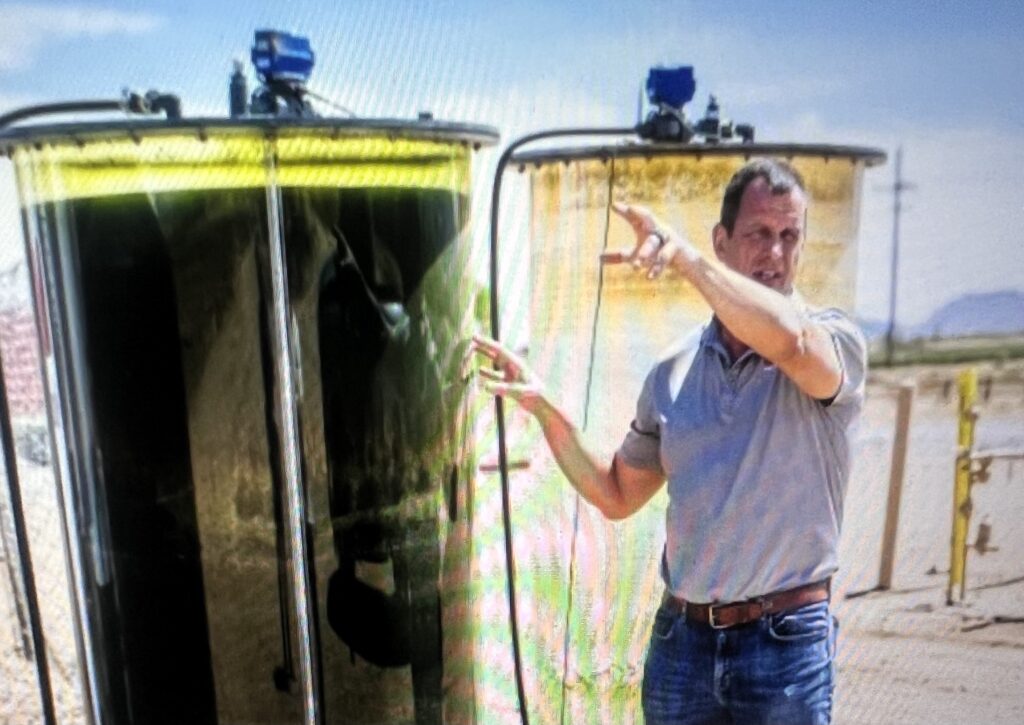
MyLand’s service includes installation and operation of the system, which makes it easy to implement for the grower. The system grows the live, native microalgae in algae production vessels, on-farm, and injects directly into the irrigation system.
Greg Sweatt can attest to this.
“I harvest Ed’s pecans for him, and I noticed that last year was one of the better-quality crops,” said Sweatt, owner of Whitewater Irrigation Inc. in Cochise County. “I asked Ed if he had sprayed the crops with pesticides. He said, with MyLand, he never sprayed anything. I was like, ‘Wow, that’s crazy!’”
That’s because when the quality of the crops improves, the insects stay away, according to organic farmer , Chad Coehn.
“All insects are nature’s garbage collectors,” said Coehn, who is the owner of Coehn Farms LLC in Pearce. “When you change the health of the plant, those insects will leave it alone.”
The lessons learned in Pearce will be shared with other farmers in Arizona and beyond through outreach and education, said Lindsay Gaesser.
“Our goal will be to engage with farmers about the benefits of this microalgae solution and how they could use it on their farms,” said Gaesser, a research specialist with the Swette Center for Sustainable Food Systems. “We also have students engaged in this research who will be working on a capstone project this summer to support wider adoption of this technology and pursue its approval as a conservation practice with the USDA.
Source: https://www.newswise.com/articles/new-algae-system-helps-arizona-farmers-grow-better-crops-with-less-water
3. What Is Your Knowledge Of Stormwater Filtration? Take the quiz below and find the answers at the end of the newsletter.
1.What is the primary mechanism by which stormwater filtration systems remove pollutants?
a.Biological degradation
b.Evaporation
c.Chemical absorption
d. Sieving through filter media
2. Which of the following is NOT considered a type of stormwater filtration media?
a. Sand filters
b. Concrete barriers
c. Organic filters
d. Vegetative filters
3. What is the main purpose of permeable pavements in stormwater management?
a.To increase surface runoff
b.To allow water to filter through into an underlying reservoir
c.To store stormwater on the surface
d. To prevent water infiltration
4.Which system uses engineered soil media and vegetation to treat runoff in a shallow, landscaped depression?
a. Settling basin
b. First flush vault
c. Bioretention system
d. Dry swale
5. What is the key difference between stormwater infiltration and filtration?
a. Infiltration allows water to soak into the ground; filtration passes water through a medium before discharge or storage
b. Infiltration involves chemical treatment; filtration does not
c. Filtration uses vegetation exclusively; infiltration does not
d. Filtration allows water to soak into the ground; infiltration does not
Source:Stormwater Solutions at https://www.stormwater.com/what-is-series/article/55285897/what-is-stormwater-filtration?oly_enc_id=3386A0720501J4X
4. Industrial Hygiene Resources To Protect Workers And Prevent New Cases of Silicosis. The National Institute for Occupational Safety and Health (NIOSH) describes silicosis as a spectrum of lung diseases caused by the inhalation of free crystalline silica. Silicosis is incurable and can lead to disability and death.
The Occupational Safety and Health Administration (OSHA) defines crystalline silica as a common mineral found in the earth’s crust. Materials like sand, stone, concrete, and mortar contain it. It is also used to make products such as glass, pottery, ceramics, bricks, and artificial stone.
OSHA goes on to share that respirable crystalline silica are very small particles, at least 100 times smaller than ordinary sand. It is created when cutting, sawing, grinding, drilling, and crushing stone, rock, concrete, brick, block, and mortar. Activities such as abrasive blasting with sand; sawing brick or concrete; sanding or drilling into concrete walls; grinding mortar; manufacturing brick, concrete blocks, stone countertops, or ceramic products; and cutting or crushing stone can result in exposure to respirable crystalline silica dust.
“We know so much about the mechanisms of silica exposure and tools for prevention of silicosis, yet some 2.3 million people in the U.S. are still exposed to silica on the job, according to OSHA,” said Derrick A. Denis, Senior Vice President for Clark Seif Clark. “Preventing people from dying early is the main reason I am in the field of industrial hygiene. Silicosis is by-and-large a preventable disease. Simply with appropriate training, alternative work practices, dust control measures, and PPE we can reduce the incidence of silicosis and protect life and health. These exposure prevention options will not get implemented without buy-in from management and a culture of worker safety. OSHA has issued two respirable crystalline silica standards: one for construction, and the other for general industry and maritime. These standards should be on the radar of every business owner so they can be in compliance and so they can protect their team members.”
To safeguard workers from these types of [high] exposure risks, the industrial hygiene professionals at CSC provide occupational testing and monitoring for crystalline silica and a wide range of other respirable hazards. They also offer worksite assessments that involve evaluating engineering controls, personal protective equipment training, and employee hazard communication training to mitigate these types of risks. Source: https://www.csceng.com/newsletter-blog/industrial-hygiene-resources-to-protect-workers-and-prevent-new-cases-of-silicosis/
Silica is also found in some foods as silicon dioxide and is safe to ingest. Foods that contain silicon dioxide include: green beans, bananas, leafy greens, brown rice, cereal (of the 18 foods with the highest silica content, 11 are cereal products, and those containing oats were at the top of the list. Two tablespoons of oat bran has 3.27 milligrams of silica.), lentils and beer. As a nutrient supplement silicon dioxide helps with weak bones, heart disease, Alzheimers disease, digestive issues and hair loss. Too much silica can result in silicosis, lung cancer, Chronic Obstructive Pulmonary Disease (COPD) and kidney disease. Source: WebMD
Answers to Stormwater Filtration Quiz:
- d, 2.b, 3. b, 4. c , 5. a
Copyright 2025 @ EnviroInsight.org
