
Daniel Salzler No. 1317 EnviroInsight.org Five Items August 1, 2025
—————Feel Free To Pass This Along To Others——————
If your watershed is doing something you would like others to know about, or you know
of something others can benefit from, let me know and I will place it in this Information .
If you want to be removed from the distribution list, please let me know.
Please note that all meetings listed are open.
Enhance your viewing by downloading the pdf file to view photos, etc.
The attached is all about improving life in the watershed through knowledge.
If you want to be removed from the distribution list,
please let me know. Please note that all meetings listed are open.
Check our website at EnviroInsight.org
- RFP for FY2025 104g Research Projects Coming Soon. Request for proposal coming soon.

The US Geological Survey (USGS) Water Resources Research Act Program will soon release the request for proposals (RFP) on Grants.gov for two key programs: the National Competitive Grants (104g) General Program and the Aquatic Invasive Species (AIS) Program. RFP approval for a third program, the 104g PFAS Program, is still under review by the Office of Management and Budget. Updates on these RFPs will be provided as additional information becomes available. As in previous years, FY2025 awards will be made “subject to the availability of funds.”
The 104g General Program supports research on regional or national water issues identified as priorities by the Secretary of the Interior. Historically, $1.5 million in federal funds are available, with a required 1:1 match with non-federal dollars. The program promotes collaboration between the USGS and university researchers. Past projects have addressed topics such as water supply, innovative treatment technologies, the dynamics of hydrological events, approaches for integrated water management, and the evaluation of conservation practices.
The 104g AIS Program historically provides roughly $1 million annually in matching federal funds for research focused on the ecological, hydrological, and socioeconomic impacts of aquatic invasive species on lakes and rivers in the Upper Mississippi Basin.
Proposal Submissions:
Faculty and research personnel at any of Arizona’s three state universities may submit 104g grant proposals. Full proposals must be submitted through the University of Arizona Water Resources Research Center (WRRC). Once the official RFPs are published, the WRRC anticipates a three-week window for proposal preparation. Investigators are strongly encouraged to begin preparing their applications early in anticipation of this tight timeline.
Please note: This is a pre-announcement only. No applications are being accepted at this time. The official RFPs have not yet been published. Interested applicants should monitor Grants.gov and the WRRC website for updates. For your reference, the prior year 104g General and 104g AIS funding opportunities can be viewed at G24AS00536 and G24AS00534.
2. Weather Extremes Caused by Climate Change Are Driving Up Food Prices, a New Report Says BY GEORGINA GUSTIN
The research shows how droughts, heat and floods raised prices of consumables like chocolate and cocoa and warns that future spikes could lead to political and economic upheaval.
Extreme weather has stoked food prices around the world in recent years and could lead to more political instability and inflation, with the world’s poor bearing most of the economic pain and health impacts, according to new research.
Just two examples: Chocolate lovers have had to shell out more cash after cocoa prices jumped nearly 300 percent following a 2024 heatwave in Ivory Coast and Ghana, which produce 60 percent of the world’s cocoa. Coffee drinkers were similarly hit after a 2023 drought in Brazil led to a 55 percent jump in arabica bean prices, and a 2024 heat wave in Asia doubled prices of robusta coffee. Read more at https://insideclimatenews.org/news/21072025/weather-extremes-driving-up-food-prices/
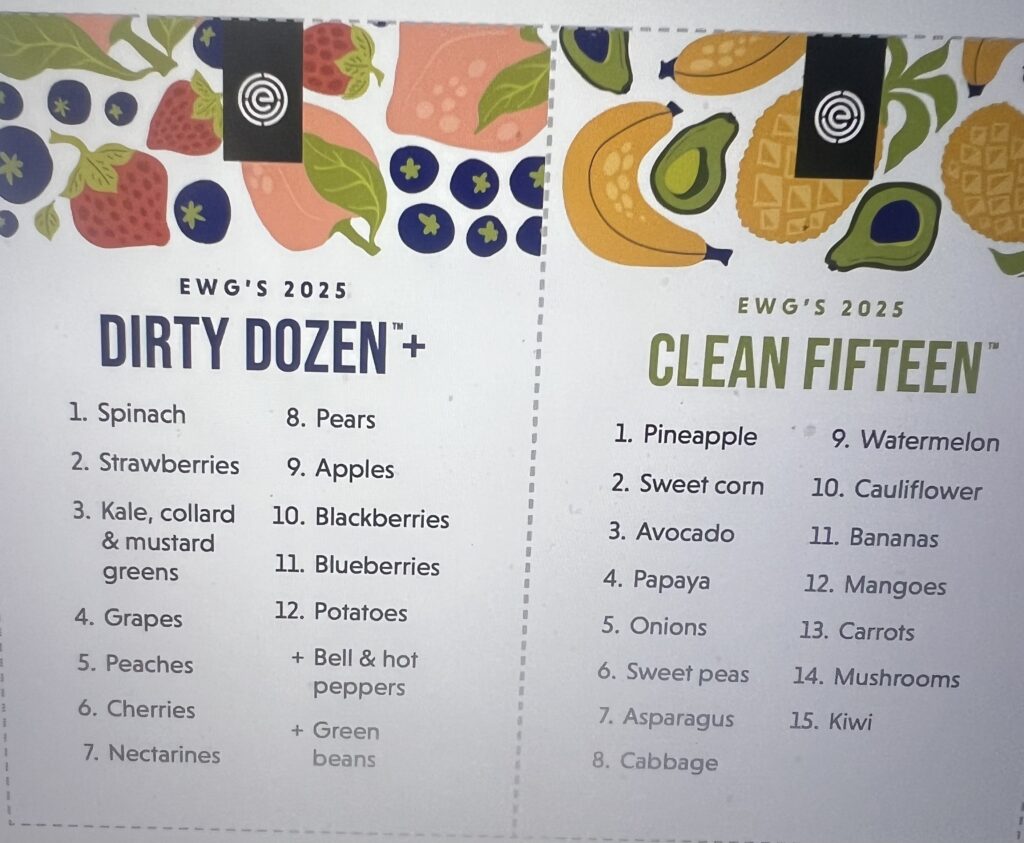
3. Environmental Working Group (EWG) Presents Their 2025 Dirty Dozen and Clean Fifteen Fruits And Vegetables.
How to clean your fruits and vegetables:
The fact is most fresh produce is grown in the open where anyone or anything – such as insects and birds – can touch it and poop on it. This means as well as dirt, unwashed produce may contain a variety of potentially harmful matter – including bacteria, fungi, viruses and pesticides.
Fresh produce may also become contaminated during packaging, preparation or storage. Even produce grown in greenhouses hydroponically can still harbor germs and pesticides.
Washing fruits and vegetables is of real food safety importance.
But what’s the best way to do it?
First, wash your hands. This prevents germs on your skin from contaminating the produce you’re cleaning.
The simplest and safest way to wash fresh produce is by hand, under cold, running water. Rub the fruits and veggies with your hands to remove dirt, pesticides and some surface germs. Wash until the surface no longer looks dirty. If you’re going to soak produce in water, make sure you use a clean bowl instead of the sink – which may be full of germs.
Never wash produce with detergent or bleach, as the skin of some fruits and veg are porous and could absorb these chemicals. This could not only change their taste and texture, but could make them unsafe to eat.
Use just half a cup of vinegar per cup of water, soaking the produce while stirring occasionally for two to three minutes. Then rinse in fresh cold water for at least one minute.
Cleaning Veggies vs Fruit
Produce with a hard rind (such as squashes) or a firm skin (such as potatoes, sweet potatoes and root vegetables), may be scrubbed with a vegetable brush until clean looking. Tomatoes can simply be rinsed under a running tap for around 30 seconds, rubbing gently with your hands.
To wash leafy green vegetables – such as lettuce, broccoli, cauliflower, kale or cabbage – separate into leaves or florets and individually rinse under the tap, rubbing with your hands for up to a minute. Since lettuce is usually eaten uncooked, it’s safer to discard any damaged outer leaves as these are most likely to be contaminated with bacteria.
For fruits, water is again the best way to wash off contaminants. For stone fruits, apples and cucumbers, rinse in cold, running water for up to a minute to remove dirt, microbes and any wax coating.
The high water content of cherries, grapes, strawberries and other berries, makes these fruits particularly perishable. Wetting berries will increase the growth of any germs present and reduce their shelf life. As such, it’s best to store these unwashed in the fridge, only washing when you’re ready to eat them. Remove any spoiled or moldy berries before refrigerating.
Any fruits and veggies you aren’t going to eat immediately should be blotted with a dry paper towel or put in a salad spinner to remove moisture and reduce germ growth. Then store in a lidded contain in the fridge. It’s also a good idea to clean kitchen sinks, surfaces and utensils before washing and preparing your produce. Source: Primrose Freestone, Senior Lecturer in Clinical Microbiology, University of Leicester
3. 98% Of Waterways Found To Have PFAS Contamination. An analysis by the LA Waterkeeper found that most waterways surveyed were contaminated by one or more PFAS chemicals. Source:Katie Johns July 28, 2025 Stormwater Solutions.
4. The Worlds Most Lethal Plants (Most of Them Live In Arizona):
Aconite Also known as Monkshood or Wolfsbane
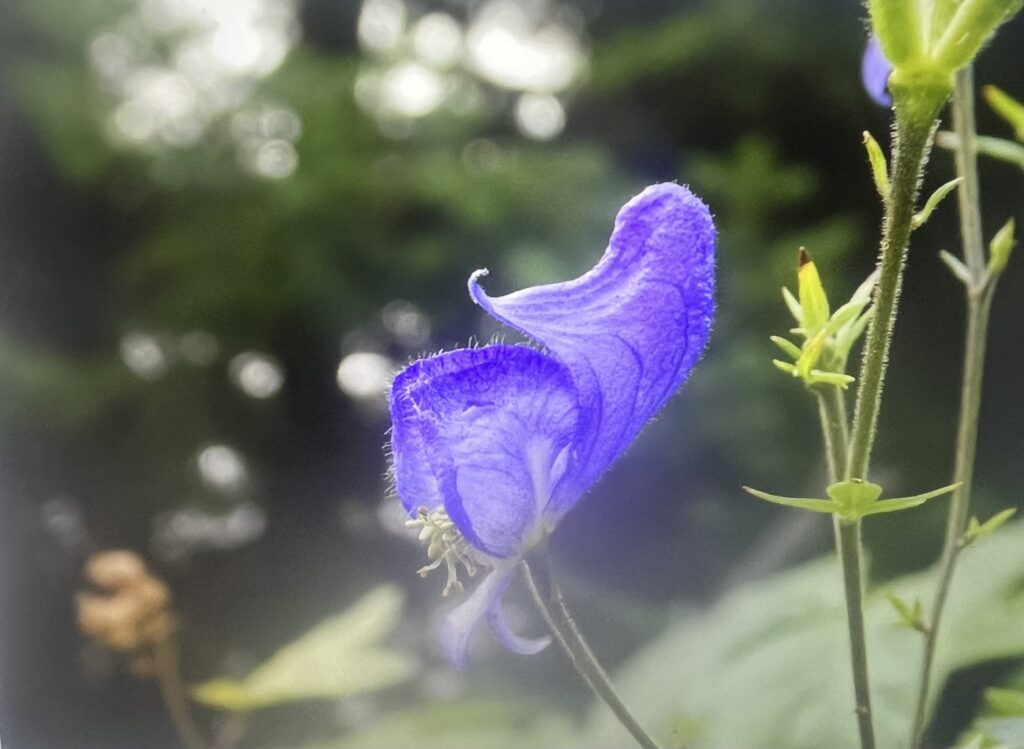
Delicate purple flowers. Fatal cardiac toxins. Just touching it can numb your skin. Ingest it? You’re done. Used to tip arrows in ancient wars. Pretty, precise, and utterly deadly. Can be found in the higher elevations of Arizona.
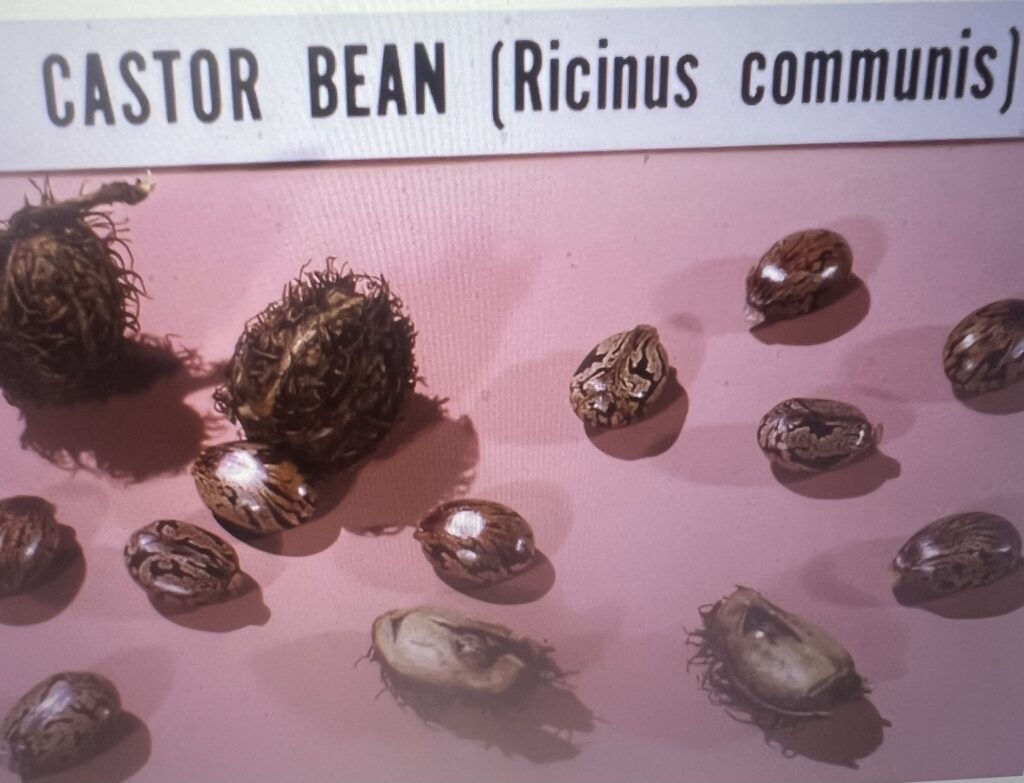
Castor Bean (Ricnus communis)
Grown as an ornamental landscape plant, but, with a deadly core.
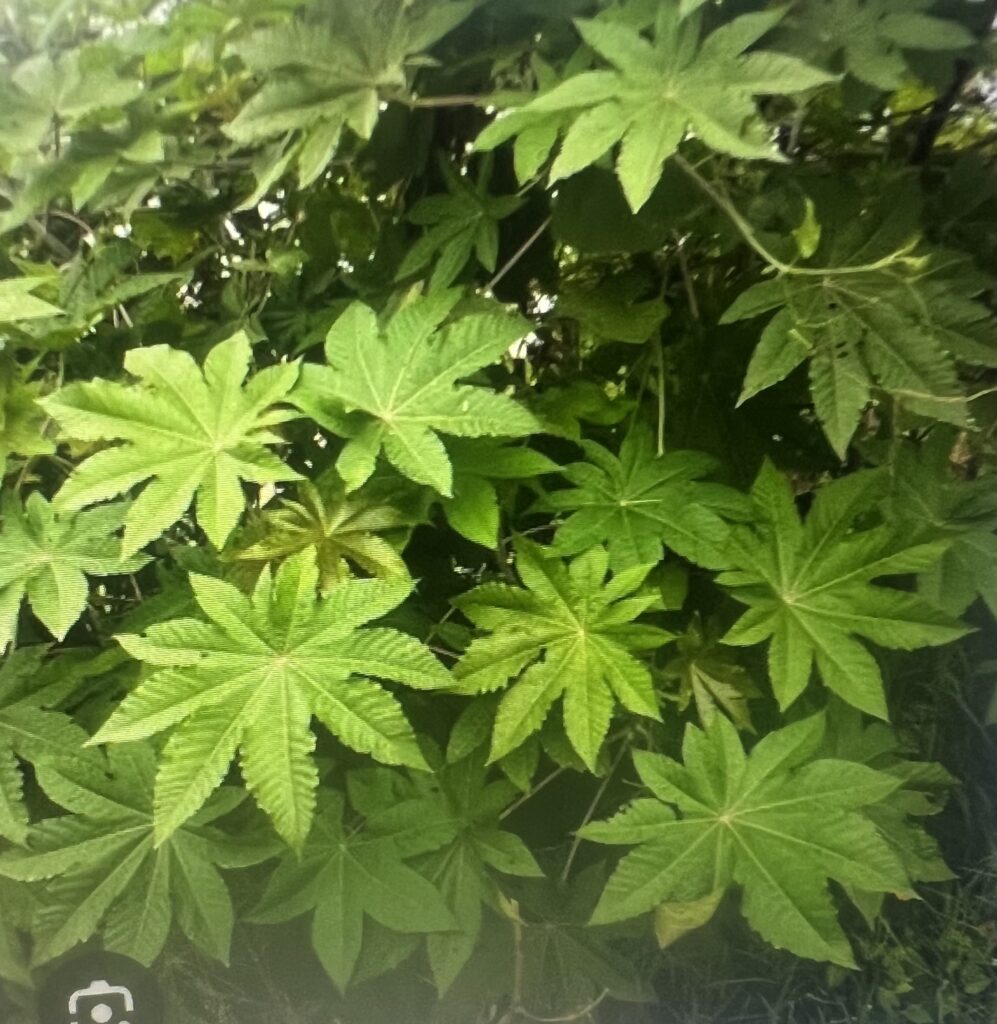
Inside the seed one can find ricin, one of the most toxic substances known. One chewed bean can kill an adult. Grown all over the metropolitan areas of Arizona.
Oleander
Native to the Mediterranean region, oleander bush is also well-suited to residential landscapes, but caution must be taken due to its toxicity. A low water consumer, these plants can be found all over the residential areas of the deserts of Arizona.
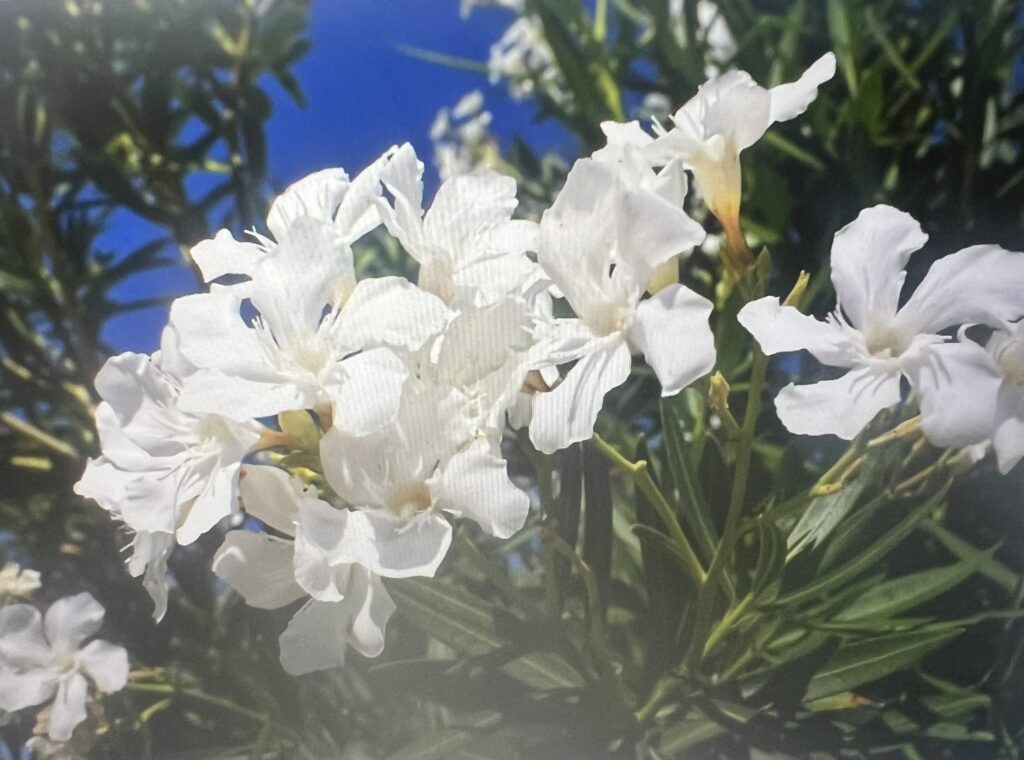
Oleander contains multiple poisonous compounds and all parts of the plant are highly toxic to humans and pets. Ingesting even a small amount of the plant can result serious injury or death.
The clear sticky sap can cause skin irritation or a rash on contact. Don’t burn discarded oleander branches, as it can release toxins into the air.
Keep dogs on a leash while out walking in areas where oleander is commonly planted and make sure they are not chewing on any plants. Symptoms can appear in as little as 30 minutes and be quite dramatic.
Contact your local Poison Control Center, physician or veterinarian immediately if you suspect your child or pet has come into contact with plants.
Angels Trumpet
Plant angel’s trumpet in a spot that boasts full sun. However, in especially hot or dry environments, it can stand to have a bit of shade, especially during the warmer afternoon hours. Angel’s trumpet needs six to eight hours of sunlight daily to thrive and produce the best blooms.Sep 24, 2024.
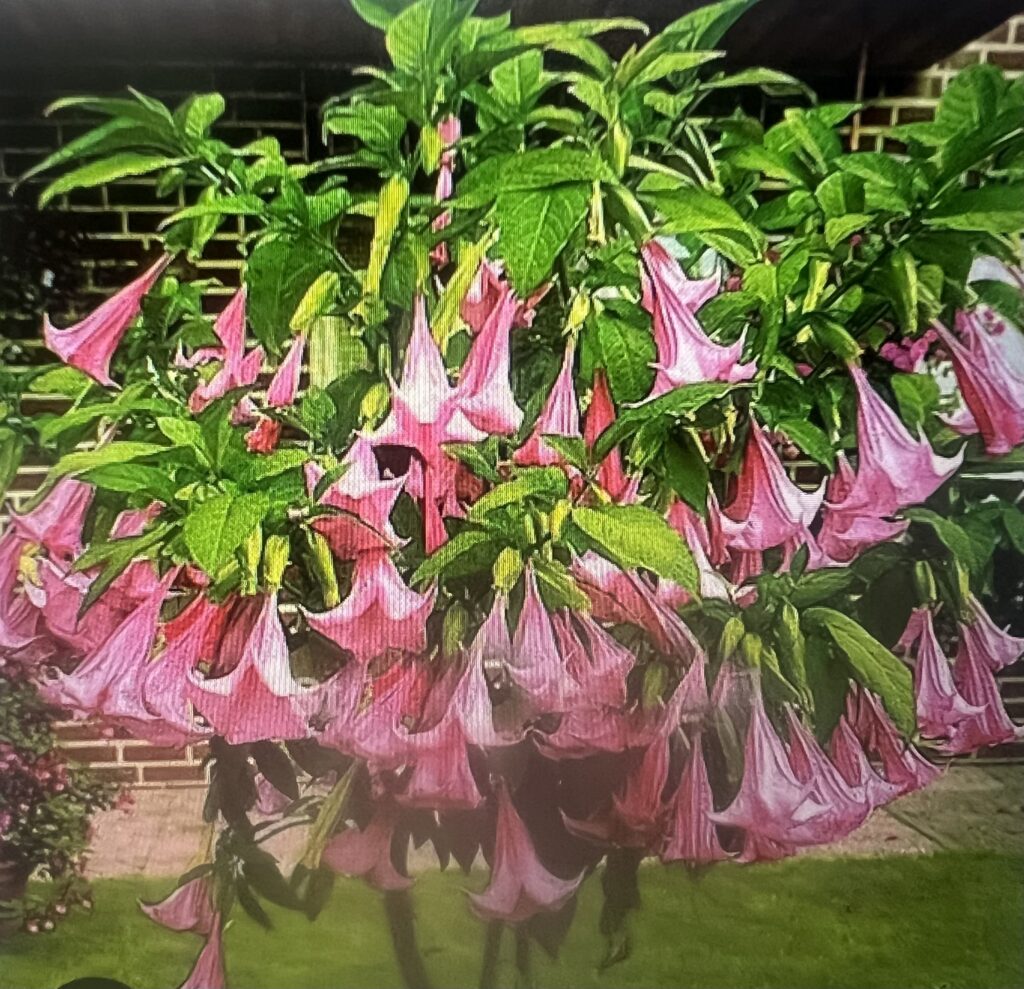
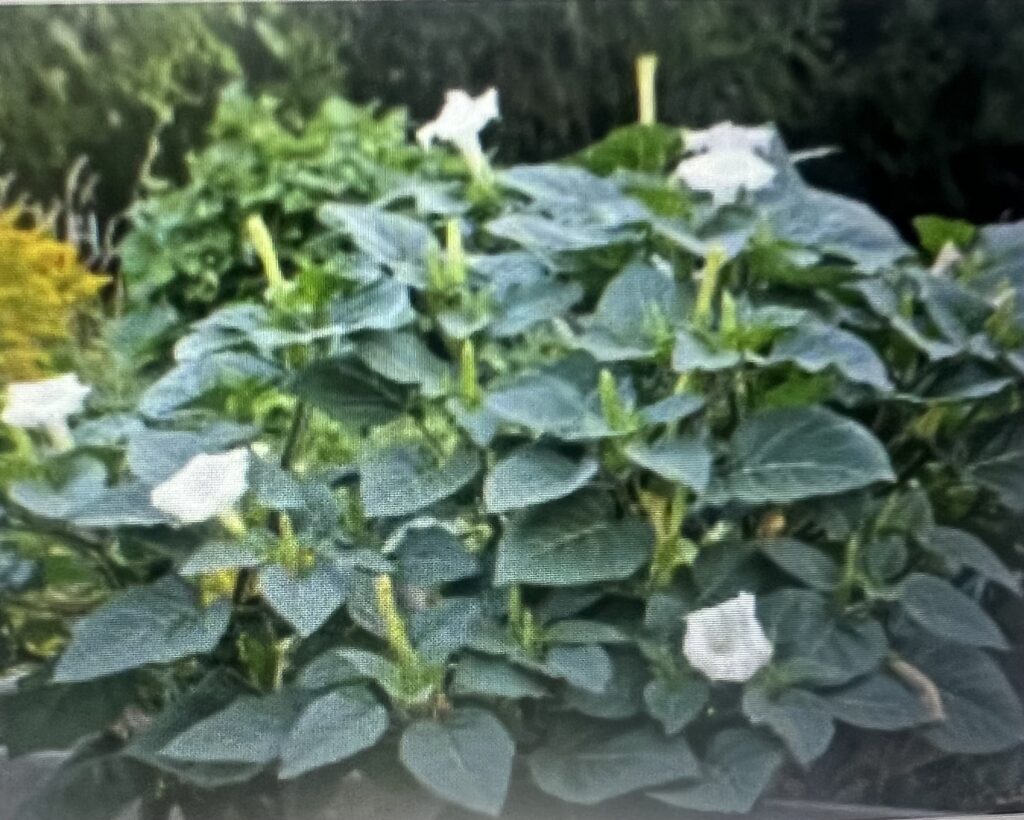
In the same family is Datura. this species have similar flowers but the plant has the characteristics of a shrub and frequently with white flowers. Often planted as a landscape plant. across Arizona’s lower desert.
Datura’s toxicity presents itself with dry mouth and decreased GI motility with loss of bowel sounds are frequent symptoms of Datura poisoning. Swallowing becomes difficult, and speech may sound unintelligible. Urinary retention and bladder distention often occur and may necessitate catheterization.25 Hypertension has been reported in some cases.
Wear non-porus gloves and long sleeves and possibly a mask to prevent inhalation when planting, trimming or any other contact you might have with these plants. If you become ill., go to your emergency room immediately, and tell the hospital staff what plants you were in contact with. Source: https://www.gardendesign.com/shrubs/oleander.html, editor and more.
5. Your Safety: On July 29, 2025 A Man, Working In Goodyear, AZ Was Killed When The Trench He Was Working In Collapsed. This was a totally preventable accident. OSHA revised Subpart P, Excavations, of 29 CFR 1926.650, 29, CFR 1926.651, and 29 CFR 1926.652 to make the standard easier to understand, Keep excavated soil (spoils) and other materials at least 2 feet (0. 6 meters) from trench.
A cubic yard of soil can weigh as much as a small pickup truck. If the soil of a trench collapses on a person standing in a trench four feet deep, it is like being hit my a car traveling at 45 mph.
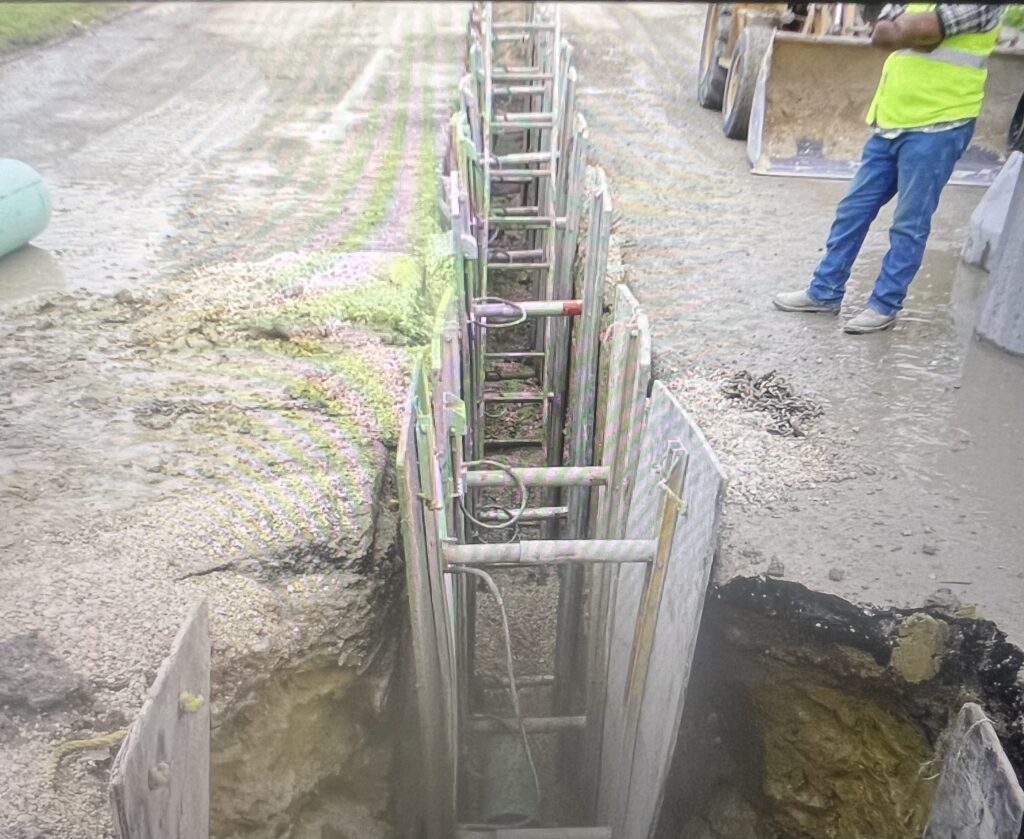
- Four Foot Rule: OSHA requires that for trenches or excavations that are 4 feet (1.22 meters) or deeper, there must be a safe means of entering and exiting the trench, such as ladders, steps, ramps, or other safe egress methods. This rule ensures that workers can quickly exit an excavation in the event of an emergency.
- Five Foot Rule: While not specifically a “four or six foot rule,” it’s crucial to mention that OSHA mandates protective systems (such as sloping, shoring, or using a trench box) for trenches that are 5 feet (1.52 meters) deep or more to prevent cave-ins, unless the excavation is made entirely in stable rock. This is a key regulation for excavation safety.
- Six Foot Rule: OSHA standards require that if an excavation is 6 feet (1.83 meters) or deeper, there must also be protections in place to prevent workers from falling into the excavation. This can include measures like guardrails, fences, or barricades around the perimeter of the excavation. Source: https://etraintoday.com/blog/faq/what-is-the-excavation-four-foot-rule-and-six-foot-rule/
Know where underground utilities are located before digging.Test for atmospheric hazards such as low oxygen, hazardous fumes and toxic gases when greater than 4 feet deep. And Follow The Rules! Source:OSHA, editor.
Copyright 2025@ EnviroInsight.org
