
Daniel Salzler No. 1354
EnviroInsight.org Five Items April 10, 2026
—————Feel Free To Pass This Along To Others——————
If your watershed is doing something you would like others to know about, or you know
of something others can benefit from, let me know and I will place it in this Information .
If you want to be removed from the distribution list, please let me know.
Please note that all meetings listed are open.
Enhance your viewing by downloading the pdf file to view photos, etc.
The attached is all about improving life in the watershed through knowledge.
If you want to be removed from the distribution list,
please let me know. Please note that all meetings listed are open.
Check our website atEnviroInsight.org
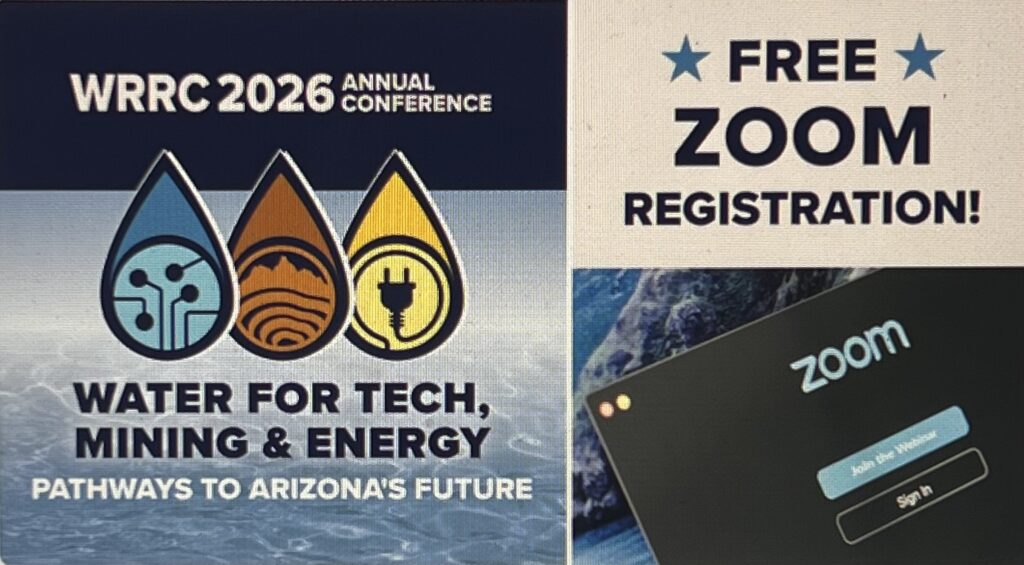
1. WRRC Conference Livestream to Include Virtual Audience Engagement. On April 14–15, the WRRC will be hosting its 2026 Annual Conference, Water for Tech, Mining & Energy: Pathways to Arizona’s Future, at the U of A Student Union Memorial Center in Tucson. If you can’t make it to Tucson, you can still attend via Zoom. It’s free! New this year, our Zoom livestream will include several virtual audience feedback opportunities designed to help attendees engage with the conference. If you are unable to attend in person, we hope you will join us on Zoom to hear from our incredible line-up of conference speakers and panelists. Don’t miss out on the conversation regarding challenges and opportunities for water stewardship in Arizona’s industrial sectors of mining, energy, and technology. If you prefer to attend in person, late registration is still available for $225 and includes opportunities for networking and sponsor exhibition table engagement. We hope to see you in person or on Zoom April 14–15!
To register, go online to https://arizona.zoom.us/webinar/register/WN_uq0wl37iSLe3FLvLdQQOsw#/registration
2. Earth Day Is April 22, 2026. Here Are A Few Ideas Of How You Can Celebrate Earth Day, All Year Long.
- Support your pollinators : bees, butterflies, bats and birds. Plant pollinator friendly plants
2. Pick up all of the plastic litter in your neighborhood
3. Use/ buy biodegradable pots when growing/ buying plants
4. Stop using Chemical fertilizers in your garden and lawn
5. Conserve water. Water trees and lawns less frequently but for longer periods of time for a deep soaking. Use soaker hoses in gardens to apply water directly to the soil, not the plant. Harvest rainfall for use later
6. Think about what you eat. About one-third of the food that we produce every year goes to waste! Usually, this happens after we buy the food. Think about these ideas: 1. Buying more seasonal food versus food that you know is not in season. 2. Eating more plants and less meat to improve your overall health and also reduce your carbon footprint. (Try meatless Mondays or cut your serving size of meat in half and double your vegetable portion.) 3. Composting or reusing food scraps. 4. Drinking more water (and carrying a washable water bottle). 5. Avoiding single-use containers and bags, styrofoam, and excess packaging. See “Growing Your Own Food In The Sonoran Desert” on the EnviroInsight.org website.
Source: Farmers Almanac https://www.almanac.com/content/earth-day-date-activities-history
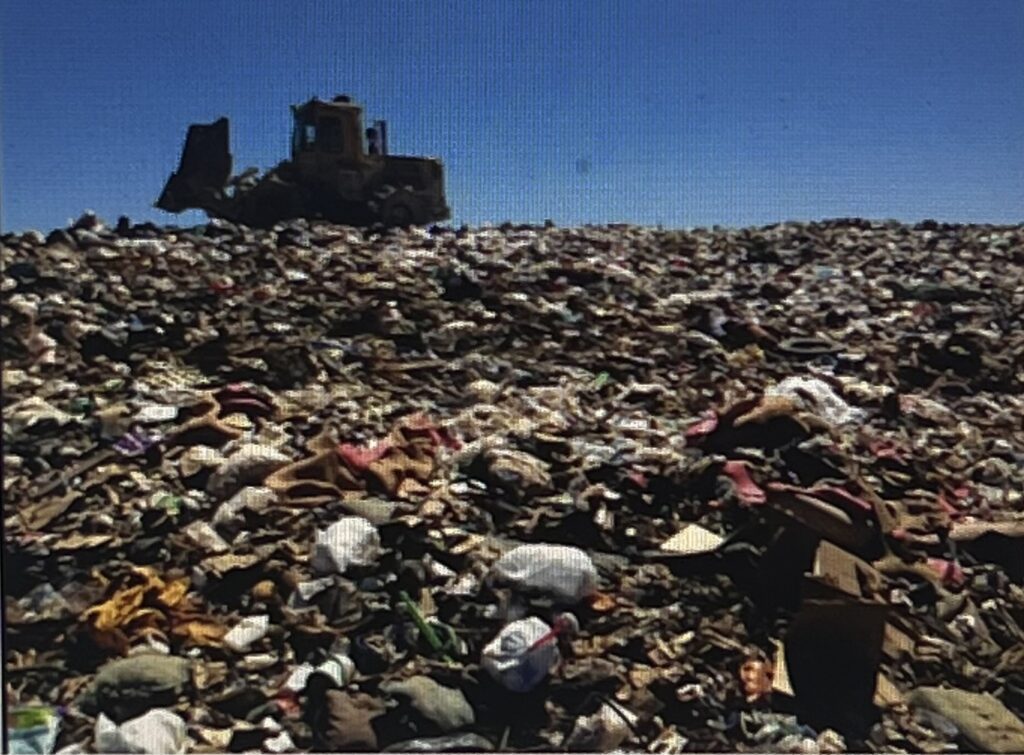
3. If You Need Another Reason to Reuse, Reduce, Recycle, Consider The Time It Takes For Your Disposable Goods to Decompose In A Landfill. We are running out of space to throw away our rubbish, but what takes the longest time to decompose? When placed in landfills here are some dates to consider, where there is periodic rainfall. Times will be significantly longer in the desert landfills
1. Glass bottles – Time to break down: one million years
2. Disposable Diapers – Time to break down: 450 years
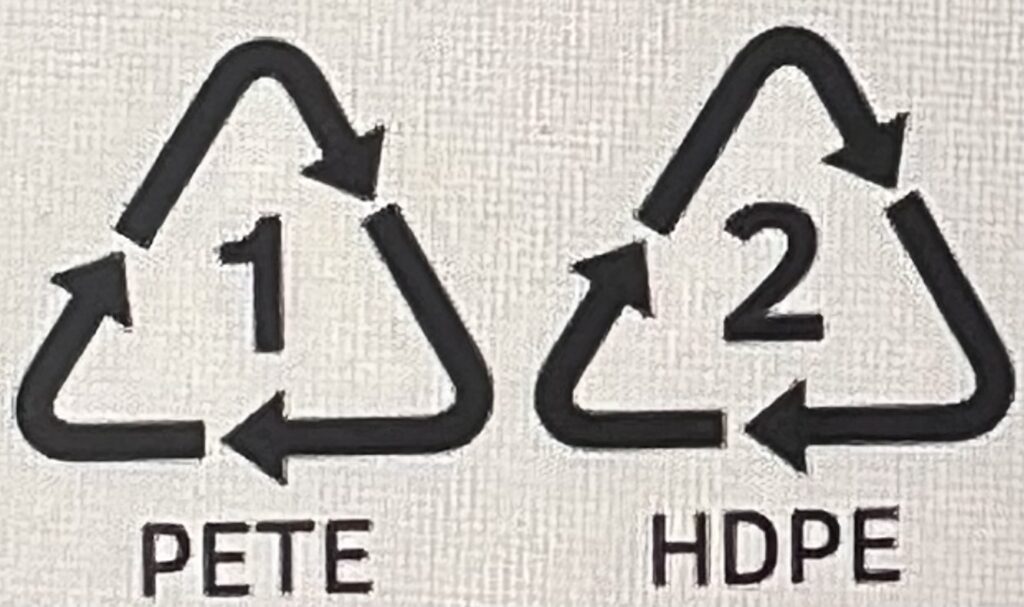
2. Plastic bottles – Time to break down: 450 years
3. Plastic bags – Time to break down: 200-500 years
4. Styrofoam cups – 500 + years
5. Aluminum cans – Time to break down: 200 – 500 years
5. Rubber-soled shoes – Time to break down: 50-80 years
6. Tin cans – Time to break down: 50 years
7. Clothing – Time to break down for synthetic fabrics: up to 40 years
8. Office Paper – 4 to 10 years
9. Paper coffee cups – Time to break down: 20 years
9. Standard plastic grocery bags – 20 years
10. Banana Peel – 2 years
Source; “Science Focus” and “Greenprint”
4.“Why Water Is Special” Mystery Finally Solved.
Pohang University Of Science & Technology (POSTECH)
Why is water densest at 4°C? Why is it so essential for the emergence and sustenance of life? These fundamental questions can feel like they must have clear answers somewhere in a textbook. Surprisingly, they have long been among the most stubborn puzzles in science.
Now, after a decade of sustained effort, scientists have identified the underlying cause of water’s unique properties. The findings could rewrite textbook explanations of water.
A team led by Professor Kyung Hwan Kim in the Department of Chemistry at POSTECH (Pohang University of Science and Technology), in collaboration with Professor Anders Nilsson in the Department of Physics at Stockholm University, has successfully observed water’s liquid-liquid critical point (LLCP), one of the most challenging problems in science for decades. The study, which answers a fundamental mystery of water, was published in Science on March 26, 2026.
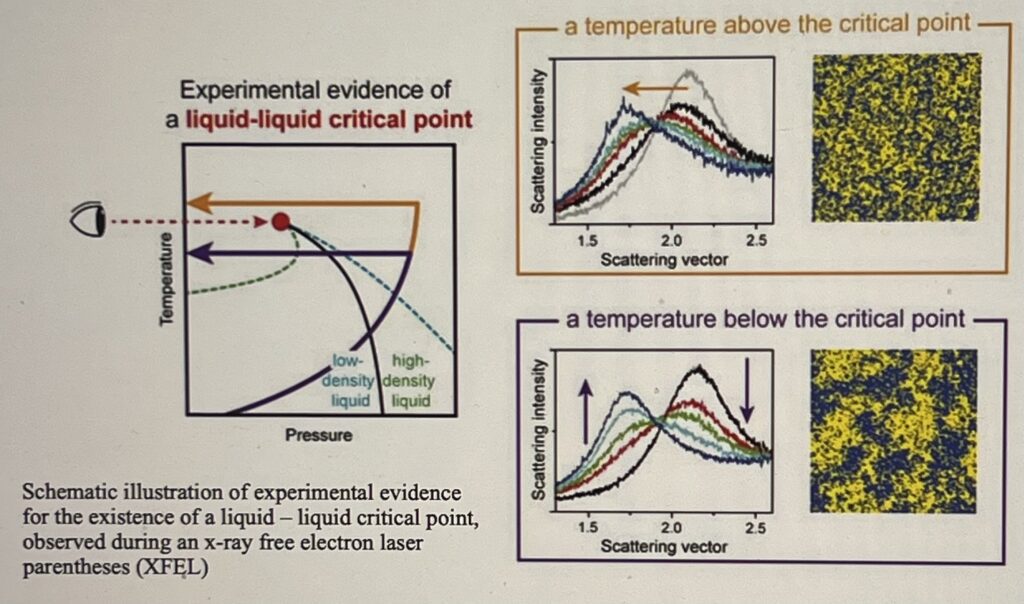
Water is one of the most extensively studied substances, but also one of the most difficult substances to fully explain. A leading hypothesis proposed to account for water’s unique properties is the existence of a liquid-liquid critical point, a special point where two distinct liquid forms of water become indistinguishable.
Scientists have predicted that if the LLCP exists, it would be hidden in a deeply supercooled regime, roughly between -40°C and -70°C, sometimes called “no-man’s-land.” To test the hypothesis experimentally, researchers must directly measure liquid water that remains unfrozen below -40°C. But in this temperature range, water freezes faster than conventional measurement methods can capture, making direct observation effectively impossible for decades.
Over the last ten years, the research team steadily pursued this problem despite the long-standing experimental barrier. They overcame it by using an X-ray free-electron laser (XFEL), a source often described as “dream light”, capable of producing extremely intense X-ray pulses and capturing molecular-scale motion occurring within one ten-trillionth of a second. The experiments were performed using PAL-XFEL at the Pohang Accelerator Laboratory.
In 2017, the team became the first in the world to show that it is possible to probe liquid water without freezing down to -45°C, demonstrating that the previously “inaccessible” region could in fact be explored. In 2020, they advanced their experimental approach by utilizing amorphous ice, extending measurements to liquid water down to -70°C and providing the first evidence that, at ultralow temperatures, water can exist in two distinct liquid states. Both studies were published in Science and drew broad attention.
In the newly published work, the researchers tracked how water changes with temperature and pressure in far greater detail than before. They report the first direct observation of a liquid-liquid critical point, near -60°C, where water transitions from two distinct liquid states into a single supercritical liquid state. With this observation, the team has now identified the fundamental origin of water’s extraordinary behavior.
This achievement is not a short-term result, but the culmination of long-term persistence aimed at a foundational scientific question. By turning what had remained largely theoretical into experimentally grounded evidence, the team has pushed our understanding of water into a new phase.
Professor Kyung Hwan Kim said, “The intense debate in the scientific community, spanning many years, over water’s unusual properties and a liquid-liquid critical point has finally been brought to a close.” He added, “This discovery will serve as a starting point for uncovering the essential roles water plays in living systems and in a wide range of natural phenomena.”
This research was supported by the National Research Foundation of Korea (NRF), through the Outstanding Young Scientist Grant program and the Leading Research Center Support Program, and by the Samsung Science and Technology Foundation. Source: https://www.eurekalert.org/news-releases/1123003
5. Rising Bottled Water Consumption Signals Safe Drinking Water Goal Is Under Threat, Says U.N. Think Tank. Surging global bottled water consumption reflects the failure by governments to improve public water supplies which is putting the U.N. sustainable development goal of safe drinking water by 2030 under threat, a U.N. academic think tank said on Thursday.
The bottled water market saw 73% growth from 2010 to 2020, and consumption is on track to increase from around 350 billion litres in 2021 to 460 billion litres by 2030, according to the U.N. University’s Institute for Water, Environment and Health.
“The rise in bottled water consumption reflects decades of limited progress in and many failures of public water supply systems,” the institute’s director Kaveh Madani said in statement.
The U.N. estimates that some 2.2 billion people do not have access to safe drinking water, with the number of people who had access growing by only 4% between 2016 and 2020.
Developing nations depend on bottled water to make up this shortfall. Egypt, facing water scarcity, was the fastest growing market for treated bottled water from 2018 to 2021, the UNU report said.
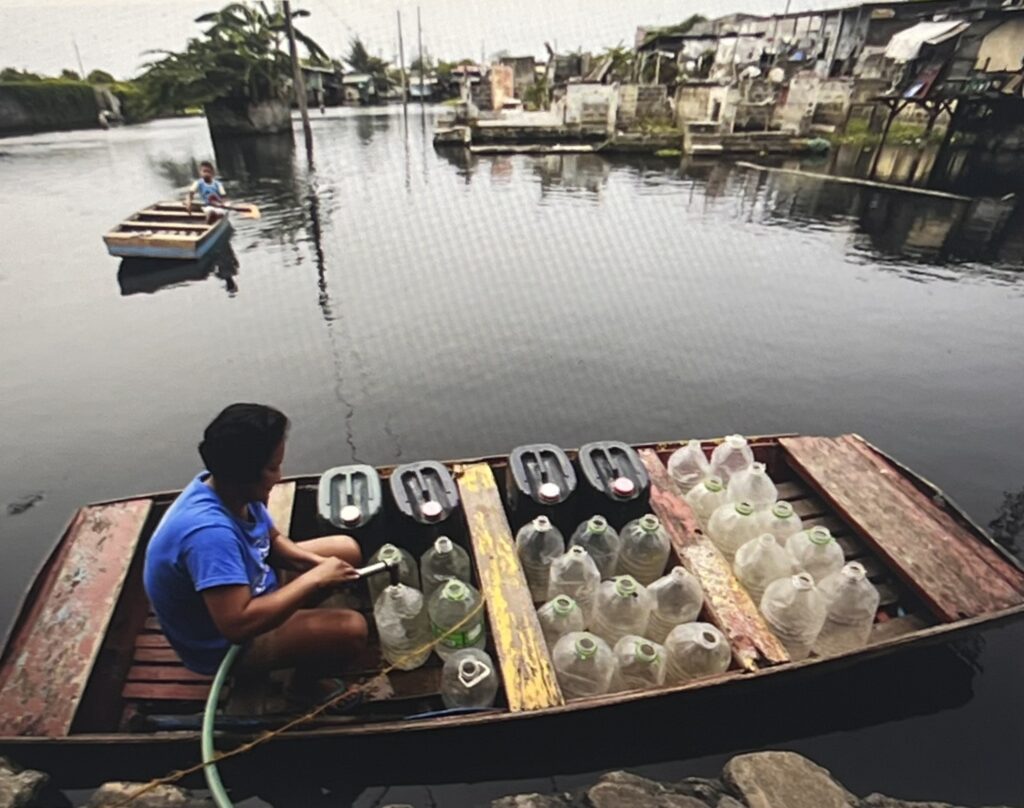
Singapore and Australia were the biggest per capita consumers of bottled water at 1,129 litres and 504 litres a year respectively, according to the report. Malaysia led developing countries in per capita consumption, at just under 150 litres.
More than a third of Americans said they use bottled water as their main water source, the report said.
“To a somewhat surprising extent, bottled water grew immensely over the last few decades while in the conventional and more reliable public and domestic drinking water supply, progress was slow paced,” said report co-author Vladimir Smakhtin of UNU-INWEH.
Meeting the UN sustainable development goal of providing safe drinking water by 2030 is therefore under threat, he said, noting governments were too often leaving the provision of safe drinking water to private actors.
ENVIRONMENTAL CONCERNS
In addition to concerns over poor access to clean drinking water, rising bottled water consumption also threatens the environment, ranging from concerns that corporations are depleting groundwater to plastic pollution.
The industry produced 600 billion plastic bottles in 2021, 85% of which are likely to end up in landfills.
“While there is growing awareness toward bottled water and plastic issues in the northern hemisphere … the market is not showing that,” said report co-author Zeineb Bouhlel. “It shows that campaigns run by corporations have a bigger influence on perceptions that bottled water is a better option.”
Research published last week found that plastics entering the ocean could nearly triple by 2040 if left unchecked.
“It is a human right to have access to free and clean water, but it’s also a right to live in a world free from plastic pollution,” said Marcus Eriksen, director of the 5 Gyres Institute, a plastic pollution non-profit. Source: March 16, 20238:27 AM MSTUpdated March 16, 2023
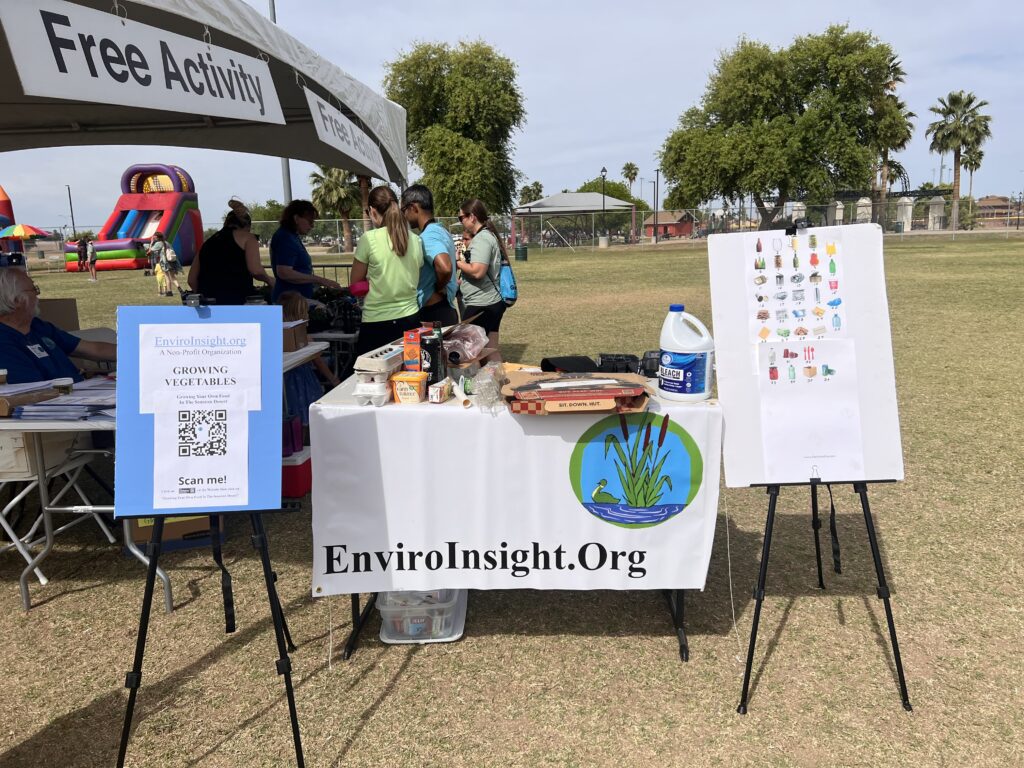
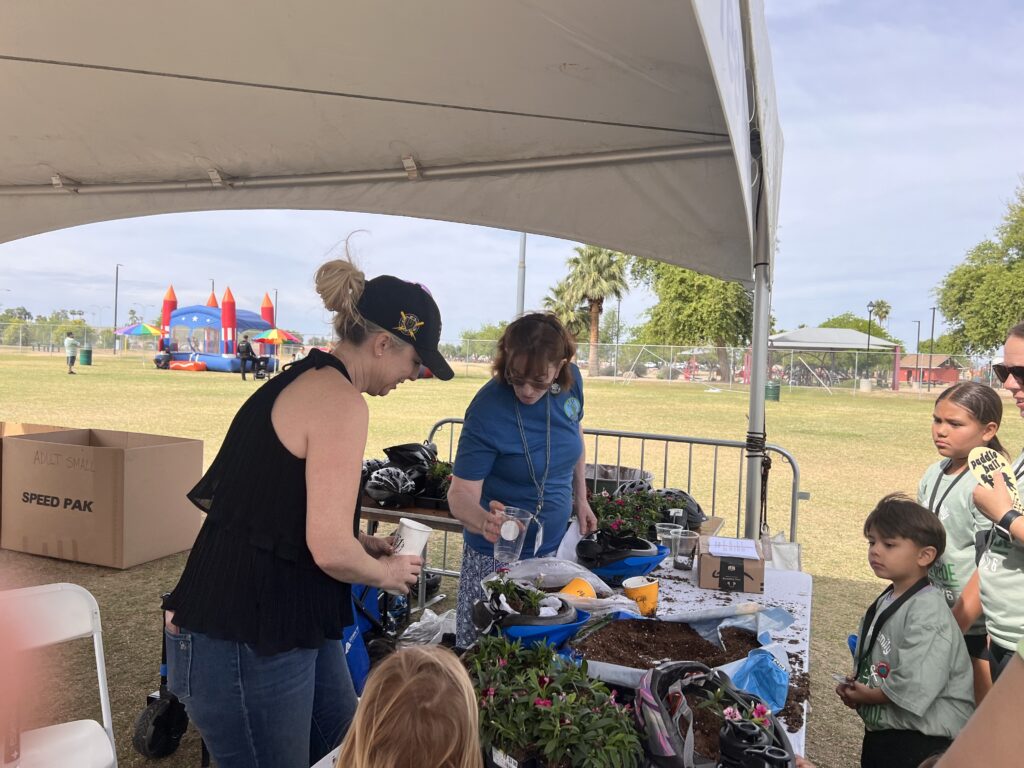
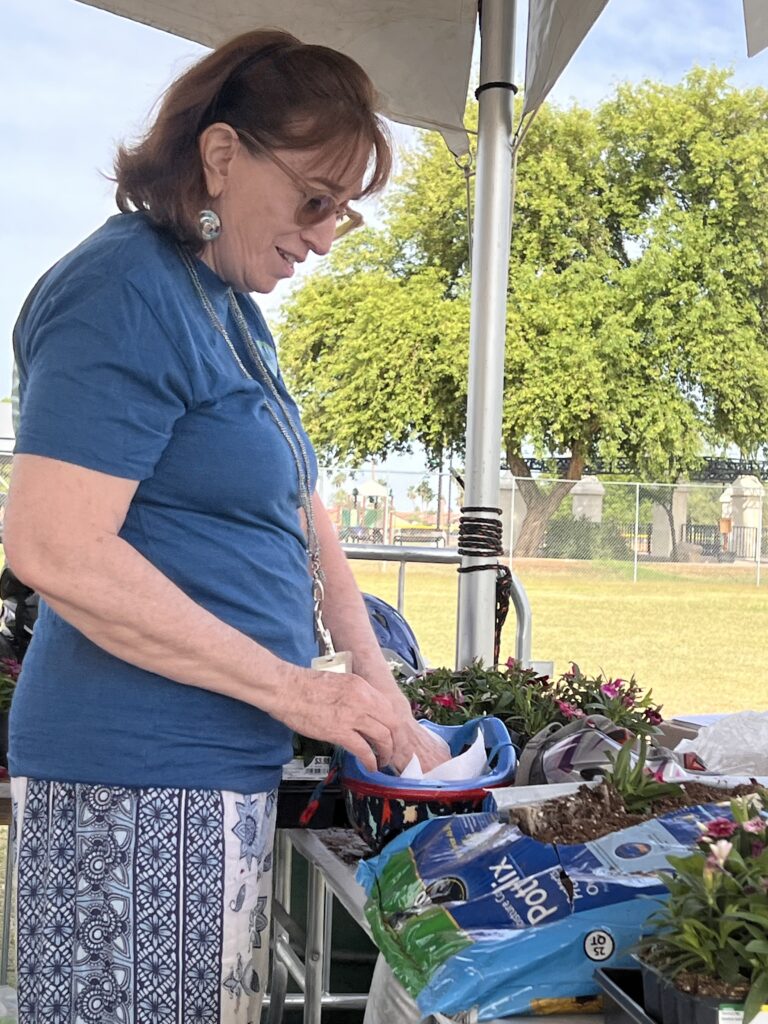
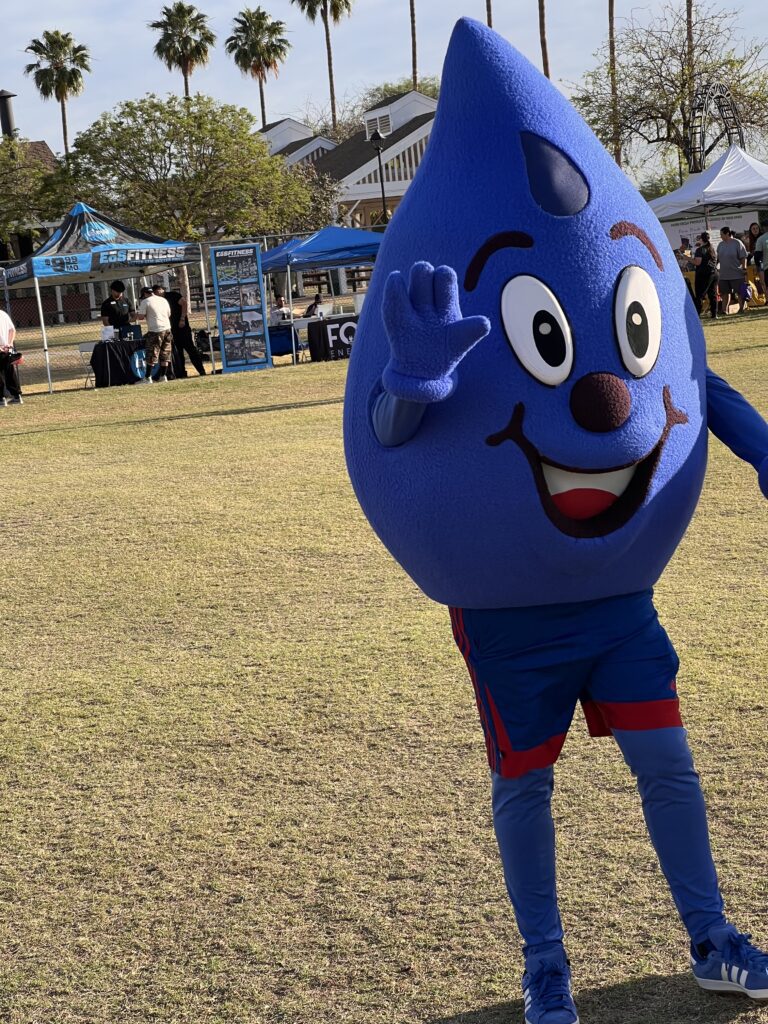
6. EnviroInsight.org Celebrates Earth Day At Glendale Family Bike Ride. On April 12, 2025, members of EnviroInsight.org. staff participated in Glendale’s Family Bike Ride Event. Activities included using old bicycle helmets to create hanging gardens; proper disposal of F.O.G (Fats, Oils, Grease); Composting; Growing your Own Vegetables (see website); and Recycling. Over 1,000 bicycle riders participated.

Copyright 2026 @ EnviroInsight.org
