
—————Feel Free To Pass This Along To Others——————
If your watershed is doing something you would like others to know about, or you know
of something others can benefit from, let me know and I will place it in this Information .
If you want to be removed from the distribution list, please let me know.
Please note that all meetings listed are open to the public.
Enhance your viewing by downloading the pdf file to view photos, etc.
The attached is all about improving life in the watershed through knowledge.
If you want to be removed from the distribution list,
please let me know. Please note that all meetings listed are open.
1. Would You Swim In Or Swallow Water Heavily Ladened With Dog, Cat And Bird Poop, Plant Fertilizer And Lawn And Road Chemicals (Petrochemicals)? When Arizona receives it’s rare monsoon rains or heavy snow melts, it’s not unusual for roads to flood and waterways to overflow. Municipal planners and engineers design retention basins to manage stormwater runoff by allowing the water to settle and be absorbed into the ground. The retention basins were not constructed for people to swim in, canoe or wade into? Since the editor arrived in Arizona many many years ago every monsoon season has seen at least one death of a child who played/ swam in a retention basin. Intelligent human beings will not allow any living thing into this water (adults, children, dogs, cats, etc.)
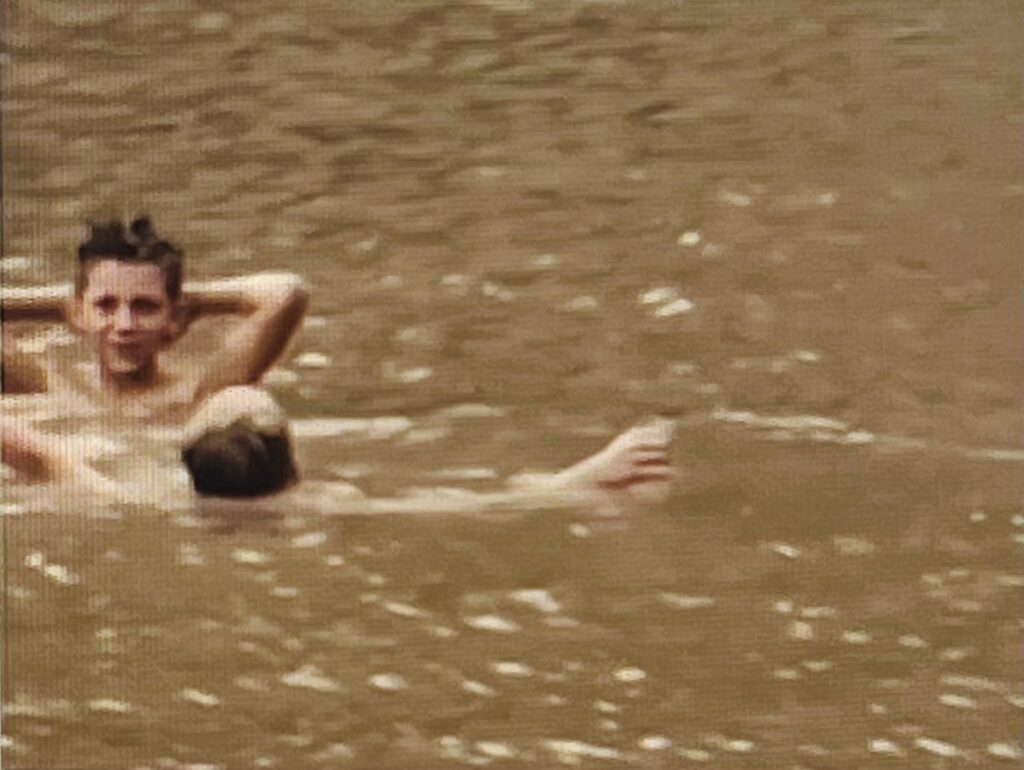
Runoff (a.k.a.Water) in retention basins carry:
- Sediments — Retention basins trap sediments, preventing them from entering waterways and causing pollution.
- Nutrients — They can absorb excess nutrients like nitrogen and phosphorus, which can lead to algal blooms if released into natural water bodies.
- Heavy Metals — Retention basins help filter heavy metals such as lead and zinc, reducing their concentration in runoff.
- Pathogens — Some basins can reduce pathogen levels through natural filtration processes.
Exposure to runoff water in a retention basin can lead to various diseases, primarily due to microbial contaminants such as bacteria and viruses. Common illnesses include gastrointestinal infections and other waterborne diseases that can arise from swallowing contaminated water.
Health Risks from Runoff Water
Runoff water can harbor several pathogens and contaminants and can lead to death.
- Gastrointestinal illnesses — Swallowing contaminated water can cause symptoms like stomach pain, diarrhea, and vomiting.
- Bacterial infections — Pathogens such as E. coli and Salmonella can be present in runoff, leading to severe digestive issues.
- Vector-borne diseases — Water-related diseases like malaria and schistosomiasis (infection from parasitic blood flukes [flatworms]) can occur in areas where runoff creates breeding grounds for disease-carrying organisms.
- Secondary infections — Small cuts exposed to contaminated water can develop infections due to bacteria
Sediment and Soil Particles
Eroded soil is the most basic component of runoff by volume. As water moves across bare or disturbed land, it dislodges soil particles and ash and carries them in suspension. Labs measure this as total suspended solids or suspended sediment concentration, reported in milligrams per liter. Elevated sediment makes water cloudy (increasing turbidity), which blocks sunlight that aquatic plants need and smothers fish spawning habitat on stream beds.

Sediment also acts as a vehicle for other pollutants. Heavy metals, pesticides, and bacteria bind to soil particles, hitching a ride into waterways. So reducing erosion from farmland or construction sites doesn’t just prevent siltation; it cuts the transport of chemical and biological contaminants too.
Nutrients From Fertilizers and Manure
About 12 million tons of nitrogen and 4 million tons of phosphorus fertilizer are applied to crops each year in the continental United States. A significant portion washes off fields, lawns and gardens into waterways and retention basins. Domestic and wild animal as well as livestock manure adds to the load. These nutrients fuel excessive algae growth in lakes, rivers, and coastal waters, a process that can deplete oxygen and create “dead zones” where fish and other aquatic life can’t survive.
The scale of the problem is striking. Roughly 46% of U.S. rivers and streams have excess nutrients, and only 28% are considered healthy based on their biological communities. Among lakes, 21% show high algal growth, and 39% contain measurable levels of cyanotoxins, the harmful byproducts of blue-green algae blooms. Around 21% of coastal waters have elevated nutrient levels as well.
Pesticides and Herbicides
Approximately half a million tons of pesticides are applied to U.S. crops annually. 45,000 tons (90 million pounds) of chemical fertilizer are applied lawns and gardens annually. When it rains, some of those chemicals wash into streams, posing risks to aquatic life, fish-eating wildlife, and drinking water supplies. Insecticides show up widely in urban stream sediment and fish tissue at levels considered harmful to wildlife, raising concerns about potential carcinogenic effects and hormonal disruption in humans. Herbicides follow similar pathways from lawns, golf courses, and agricultural fields.
Heavy Metals

Urban and highway runoff carries a cocktail of heavy metals. Lead, zinc, copper, and cadmium are among the most common, originating from tire wear, brake pad dust, bearing wear, and lubricating oils. Street dirt sampled in multiple studies contained lead concentrations ranging from 530 to 7,500 milligrams per kilogram and zinc from 260 to 1,200 milligrams per kilogram.
Some of these metals bind to larger particles in the water, while others dissolve. Zinc, cadmium, and copper tend to stay dissolved in highway runoff, making them more immediately available to aquatic organisms. Copper, zinc, and lead washing off roofs, roads, and parking lots can reach concentrations toxic to both aquatic life and, at high enough levels, humans.
Petroleum and Chemical Compounds
Motor vehicles are a major source of petroleum-based pollutants in runoff. Engine oil leaks, fuel spills, hydraulic fluid drips, and antifreeze all accumulate on roads and parking lots between storms. When rain arrives, these substances wash directly into storm drains. Tire wear, roadway surface wear, exhaust soot, and crankcase oil releases also contribute a class of compounds called polyaromatic hydrocarbons, which are known human carcinogens. Coal tar sealants on parking lots are another significant source of these compounds. Studies of urban lake sediments show that increased traffic volume in recent decades has pushed concentrations of these carcinogens above levels set to protect aquatic ecosystems.

Motor vehicles are a major source of petroleum-based pollutants in runoff. Engine oil leaks, fuel spills, hydraulic fluid drips, and antifreeze all accumulate on roads and parking lots between storms. When rain arrives, these substances wash directly into storm drains. Tire wear, roadway surface wear, exhaust soot, and crankcase oil releases also contribute a class of compounds called polyaromatic hydrocarbons, which are known human carcinogens. Coal tar sealants on parking lots are another significant source of these compounds. Studies of urban lake sediments show that increased traffic volume in recent decades has pushed concentrations of these carcinogens above levels set to protect aquatic ecosystems.
Bacteria, Viruses, and Parasites
Stormwater runoff picks up biological contaminants from animal waste, failing septic systems, sewer overflows, and wildlife droppings. E. coli and Enterococcus bacteria are the standard indicators of fecal contamination, and storm events dramatically amplify their presence. Research in North Carolina tidal creeks found that storm flow carried 30 to 37 times greater loads of these bacteria compared to dry weather. Dense residential and urban areas can contribute 30 to 50 times more E. coli than sparsely populated neighborhoods.
Beyond indicator bacteria, runoff carries actual disease-causing organisms. Cryptosporidium and Giardia, both parasites that cause gastrointestinal illness, are regularly detected in urban stormwater. Cryptosporidium outbreaks linked to contaminated water caused at least 70 fatalities among immunocompromised individuals in Milwaukee and Las Vegas in the 1990s. Viruses including hepatitis A and Norwalk virus can also travel through contaminated runoff into recreational and shellfish-harvesting waters.
Swimming or recreating in water contaminated with urban runoff has caused ear and eye infections, skin rashes, and gastrointestinal illness in numerous documented cases.
Microplastics
A growing body of research identifies microplastics as a consistent component of urban runoff. These tiny plastic particles come from tire wear, synthetic clothing fibers, packaging breakdown, and industrial materials. Highway runoff contains the highest concentrations, followed by commercial and then residential areas. Fragments account for about 89% of microplastics found in runoff, with fibers making up 10% and thin films about 1%. Nearly half of the particles detected are smaller than 125 micrometers, invisible to the naked eye, making them easy for aquatic organisms to ingest.
Source: https://scienceinsights.org/what-does-runoff-include-pollutants-and-health-risks/, and editor
2. Updates — Status of Oak Creek. Significant rain this past week, particularly on Wednesday, have caused flash flood events throughout Oak Creek Canyon. This flooding has yet again pushed a large volume of sediment, ash, and debris into the creek. Residents and field crews from various agencies, including the Oak Creek Watershed Council field team, have reported that the creek is running dark brown/black and opaque. This is in contrast to the high clarity that is typical of Oak Creek, and will likely continue to impact macroinvertebrates, fish, and other aquatic wildlife.
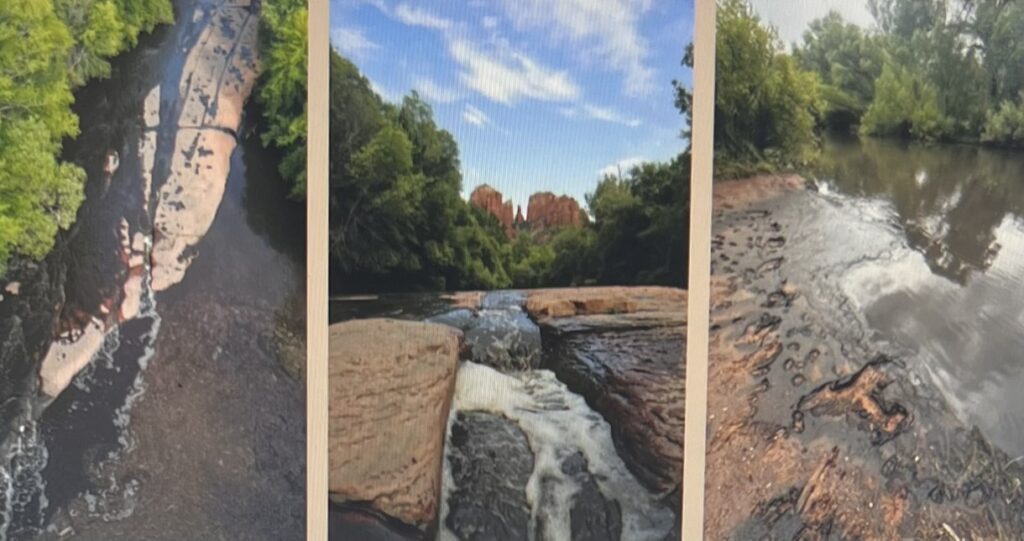
Water Quality
On Sept 17th of this week, a field team, collecting samples for multiple locations along our creek. Unsurprisingly., the samples picture here showed an alarmingly high level of sedimentation.
Even before sample analysis, it was clear that these were easily the most turban samples we have seen for many years.
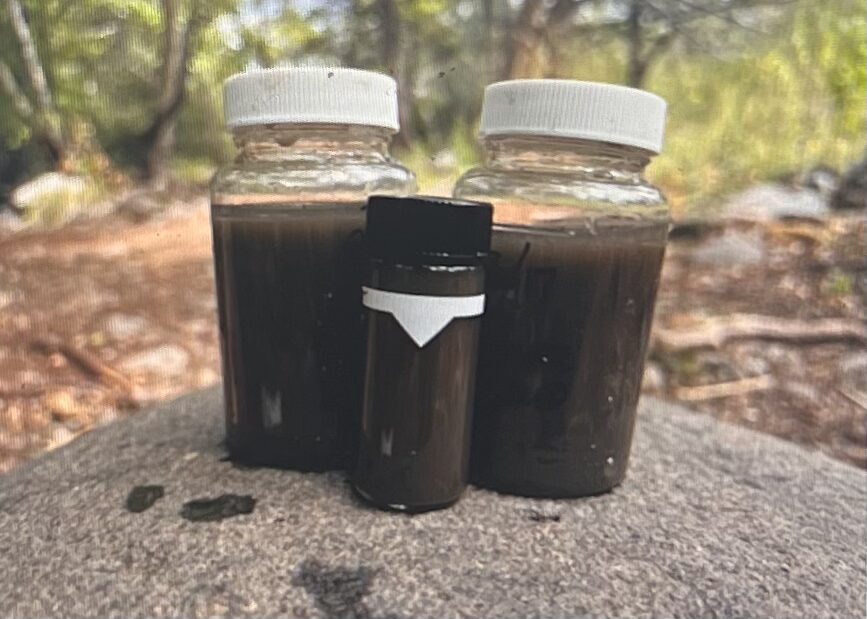
Sample analysis this morning confirmed our suspicions that E. Cola levels in the creek are elevated.. well we cannot know how long these factual last, we have advised our own staff to avoid swimming or waiting in the creek this weekend.
What can you do?
Post-fire ecosystems are particularly delicate and prone to harmful disturbance. Here’s how you can help Oak Creek recover.:
1. Respect, creek closures! West Fork/Call the Canyon remains closed. This is to protect both yourself and the creek habitat as ash and settlement moved through the system.
2. Stick to the trails. Oak Creek is already experiencing significant erosion.; by staying on an official trail, you can avoid adding to it while the creek recovers.
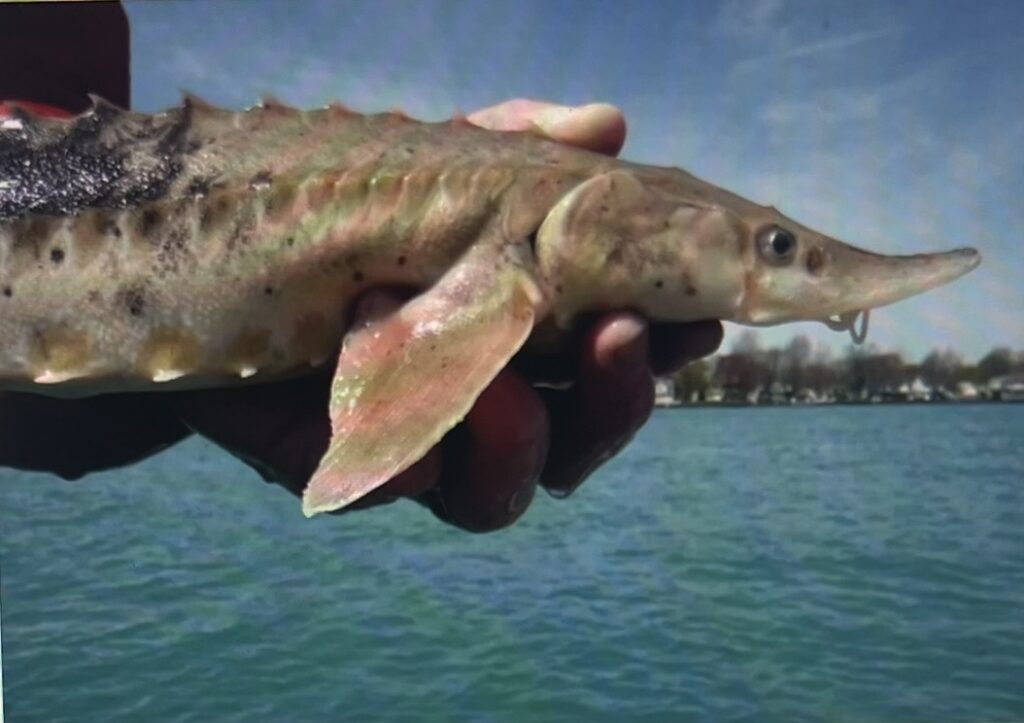
And some fish in the Great Lakes may have been alive this entire time.
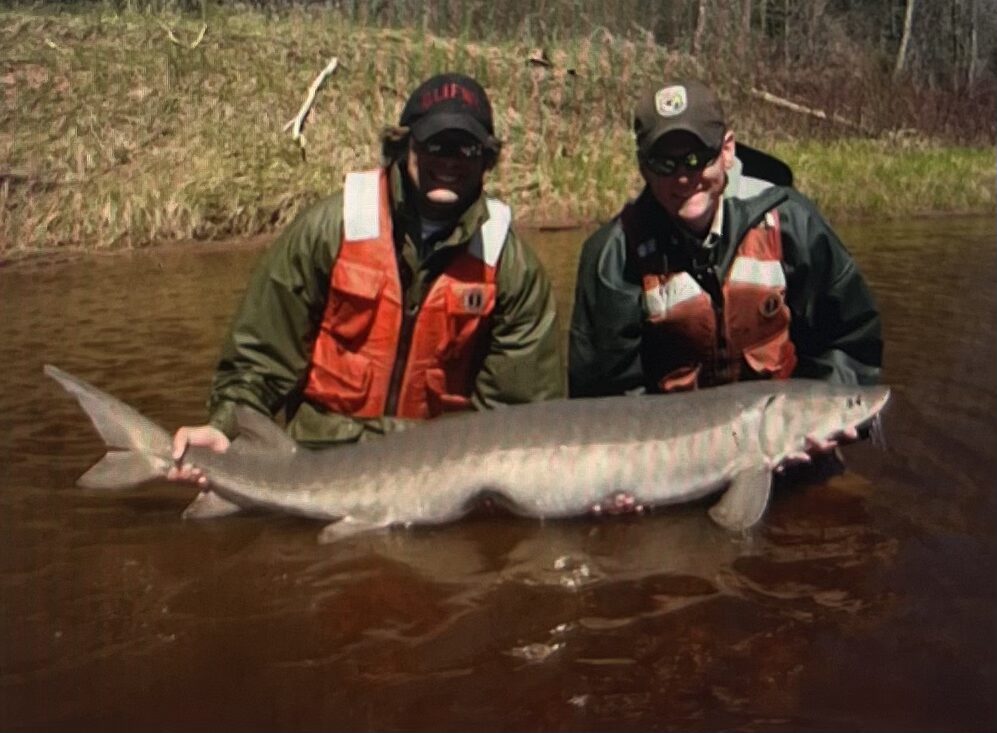
4. Microscopic Film And Photographs That Will Amaze. View micro-videos and photos of these Annual Winers and the Runner-Ups. All videos are short and a video description is either on one side of the video, or just below the selected video while the video is running.

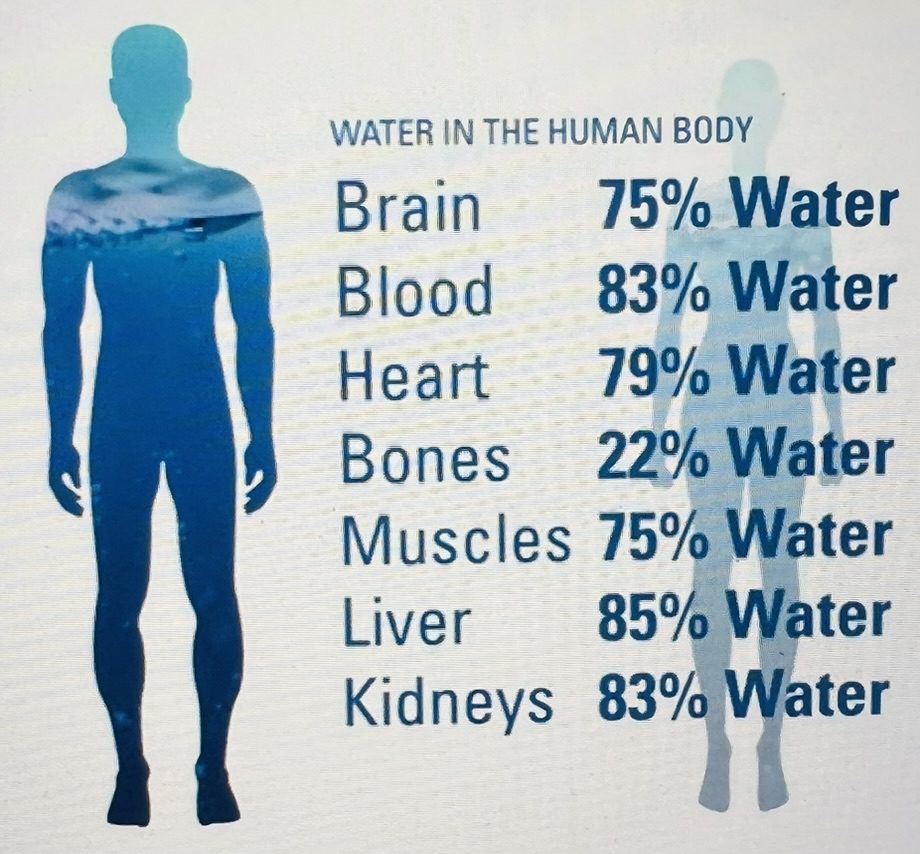
A look at the concentrations of water in the human body and various organs
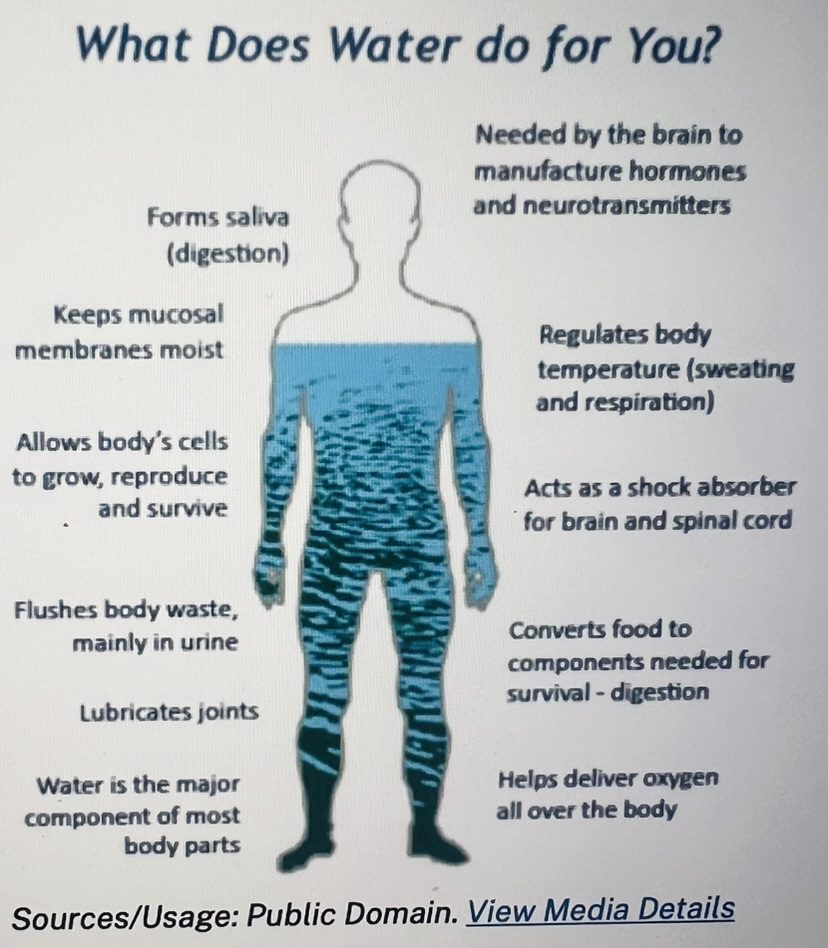
Water serves a number of essential functions to keep us all going
- A vital nutrient to the life of every cell, acts first as a building material.
- It regulates our internal body temperature by sweating and respiration
- The carbohydrates and proteins that our bodies use as food are metabolized and transported by water in the bloodstream;
- It assists in flushing waste mainly through urination
- Acts as a shock absorber for brain, spinal cord, and fetus
- Forms saliva
- Lubricates joints
Copyright 2026 @ EnviroInsight.org
