
Daniel Salzler No. 1375 EnviroInsight.org Seven Items September 11 2026
—————Feel Free To Pass This Along To Others——————
If your watershed is doing something you would like others to know about, or you know
of something others can benefit from, let me know and I will place it in this Information .
If you want to be removed from the distribution list, please let me know.
Please note that all meetings listed are open to the public.
Enhance your viewing by downloading the pdf file to view photos, etc.
The attached is all about improving life in the watershed through knowledge.
If you want to be removed from the distribution list,
please let me know. Please note that all meetings listed are open.
Check our website at EnviroInsight.org
- Twenty Five Years Later. Kids in College have no idea of the impact the 9/11 event had on all citizens of the United States. When al Qaeda terrorists hijacked four commercial passenger airplanes and carried out suicide attacks against the World Trade Center, Pentagon and a field near Shanksville, Pennsylvania on September11, 2001.
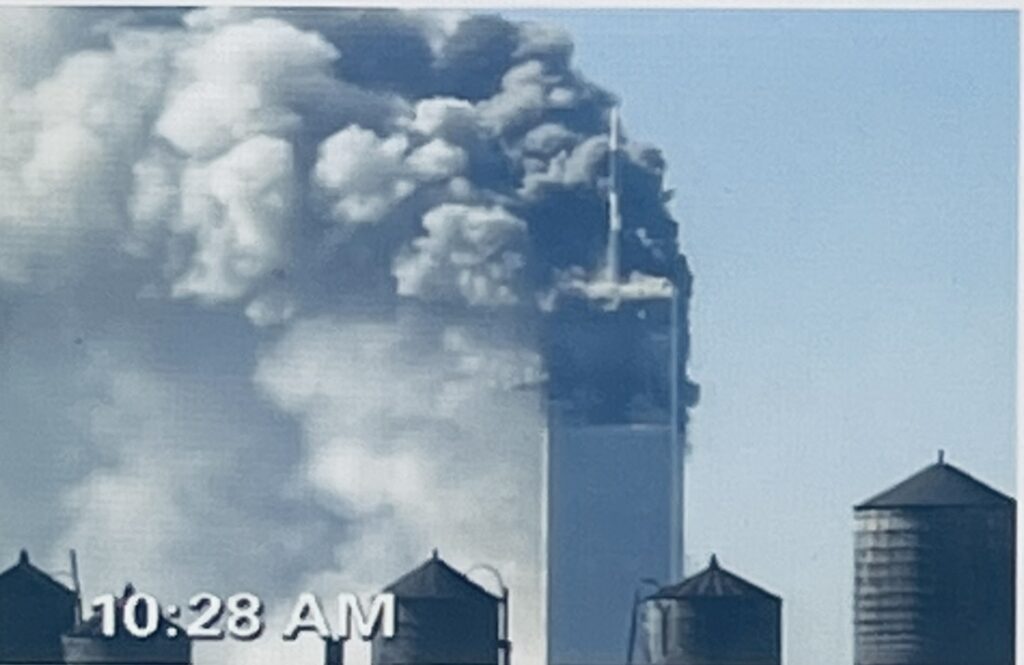
Almost 3,000 people were killed in the attacks and tens of thousands have or will die tortured deaths due to ingestion of asbestos dust, air-borne chemicals, gases and more during evacuation and rescue efforts by first responders and those that just wanted to help.
Please take a moment or two to recall and remember those who lost their life on that day and be thankful for what you are and what you have. Source: Editor
2. InThe World Of Politics: Who Was The Only U.S. President To Work As A National Park Service Ranger?
Theodore Roosevelt Gerald Ford (Answer at end of newsletter)
Franklin D.Roosevelt William McKinley
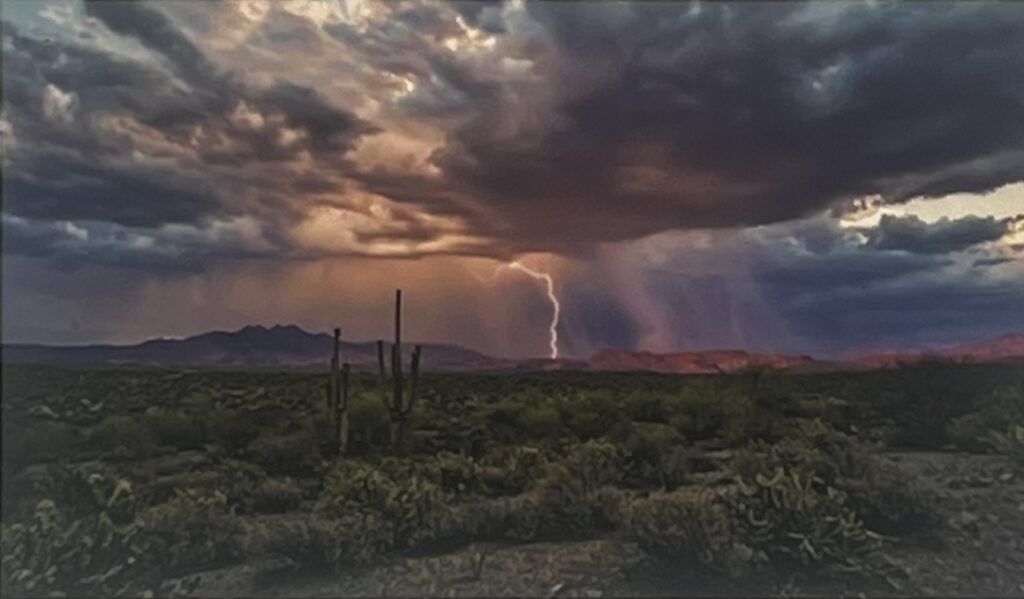
3.. Preventing Monsoon Damage: A Checklist From The University Of Arizona Water Resources Research Center. Property damage and injury can be caused by microbursts, high winds, flash flooding, lightning, and other hazards associated with monsoon storms.
Before the Monsoon
Prepare Your Home
- Inspect the roof for damaged tiles, cracked flashing, brittle shingles, or other problems; make repairs before the season begins.
- Clean and secure gutters, scuppers, and downspouts. Remove debris and check them periodically during the season.
- Clear storm drains, washes, and other drainage paths around your property so water can flow away from your home.
- Repair damaged weatherstripping or caulking around windows and exterior doors to help prevent wind-driven rain from entering.
- Use surge protectors for sensitive electronics.
- Prepare for power outages with flashlights and backup power banks for charging phones.
Prepare Your Yard and Property
- Secure or move loose outdoor items, including patio furniture, umbrellas, yard decorations, garbage cans, tools, trampolines, and bounce houses.
- Trim weak or dead tree limbs, particularly those near homes, driveways, chimneys, and electrical lines.
- Remove dead or dying branches and dead wood from the landscape; trim trees where appropriate to reduce wind resistance.
- Consider options for rainwater harvesting and stormwater management on your property to manage and reduce flood flows.
- Obtain sandbags when appropriate; the City of Tucson operates a free sandbag program on a first come, first served basis.
Stay Informed and Plan Ahead
- Sign up for local emergency phone, text, or email alerts.
- Use a smartphone weather app that can automatically notify you about National Weather Service watches and warnings.
- Know whether your property is in or near a floodplain or flood zone.
- If your street or property has flooded during previous rain events, recognize that you may be at increased risk during future storms.
- Consider flood insurance if appropriate.
- Develop a household evacuation plan, particularly if your property is at risk from flooding or wildfire.
During Monsoon Storms - Stay Safe
- Take lightning seriously and move indoors when thunderstorms approach.
- Stay indoors during severe storms and avoid exposed areas, trees, and other potential hazards.
- Never drive into a flooded roadway.
- Never drive around barricades.
- Never walk or play in moving floodwater.
- Do not camp or park vehicles along or near streams, washes, or other areas that may flood.
- Take lightning seriously and move indoors when thunderstorms approach.
- After a Storm
- Inspect your roof, windows, ceilings, and exterior walls for leaks or water damage within 24–48 hours.
- Watch for signs of hidden moisture that could lead to mold or further damage.
- Stay away from downed power lines and report them to the appropriate authorities.
- Safely remove debris from your property, gutters, drains, and washes when conditions permit.
- Document property damage with photographs for insurance purposes.
- Inspect your roof, windows, ceilings, and exterior walls for leaks or water damage within 24–48 hours.
- Prevent Electrical Hazards
- Never use electrical appliances or touch electrical wires, switches, or fuses while wet or standing in water.
- Keep electrical tools and equipment at least 10 feet away from wet surfaces.
- Do not use electric yard tools while it is raining or when the ground is wet.
- Never use electrical appliances or touch electrical wires, switches, or fuses while wet or standing in water.
- Additional Resources
- City of Tucson Storm Water Management: https://www.tucsonaz.gov/Departments/Transportation-Mobility/Stormwater-Management
- City of Tucson Operation Splash Program: https://www.tucsonaz.gov/Departments/Transportation-Mobility/DTM-Projects-Programs/Operation-Splash
- National Weather Service Monsoon Safety: https://www.weather.gov/psr/MonsoonSafety
- Tucson Electric Power Monsoon Safety: https://www.tep.com/monsoon-safety/
- University of Arizona Water Resources Research Center – Water and Sustainability Resources, including Rainwater Harvesting Resources: https://wrrc.arizona.edu/resources/water-sustainability-resources
4. CLIMAS: August 2026 Southwest Climate Outlook
El Niño Highlight
Difference from average sea surface temperature observations
3 August to 9 August 2026
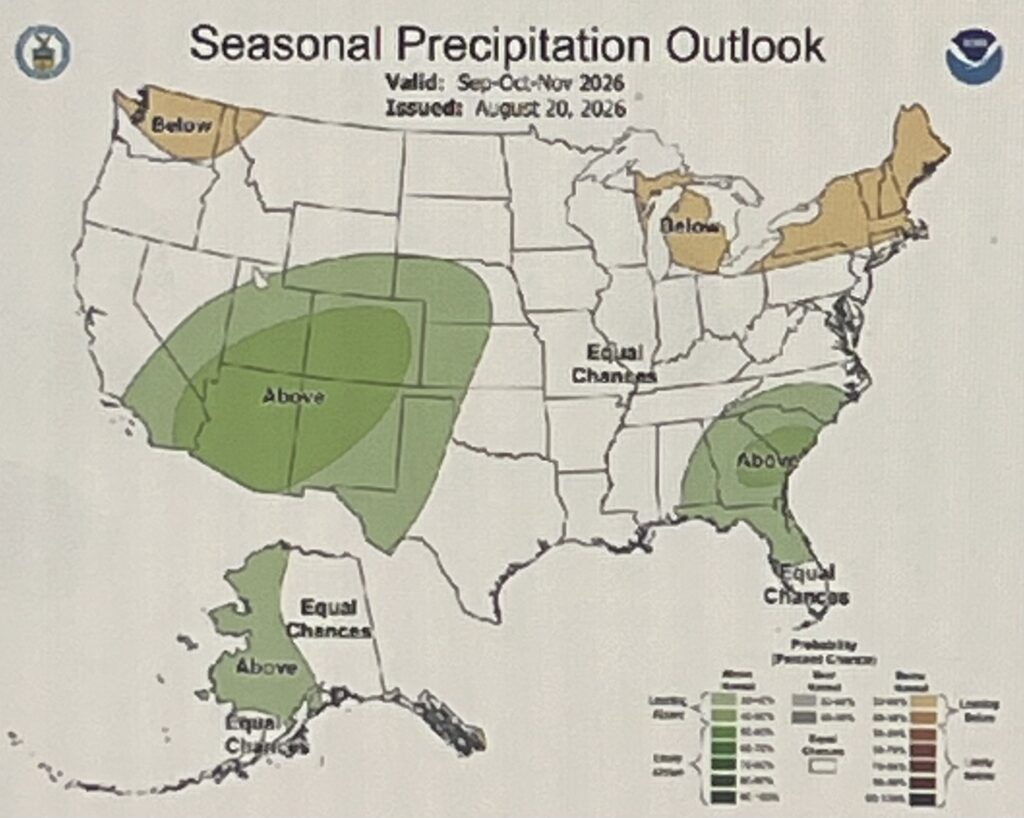
El Niño conditions in the Pacific are strengthening, expected to continue to strengthen into fall, and persist through winter before weakening by spring 2027.
For seasonal climate in the Southwest, this means increased chances of above-normal precipitation, fall–spring.
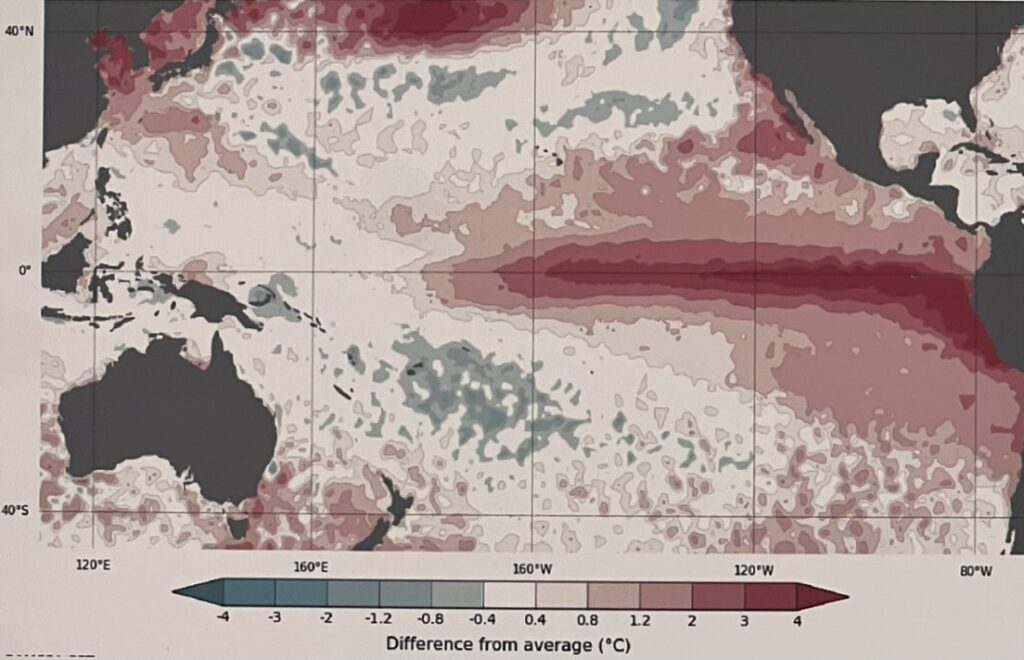
Recent sea surface temperature observations indicate that El Niño conditions are just shy of the threshold criteria for a Very Strong El Niño, the highest category of El Niño strength. This has only happened 4 times in the past 50 years—in 2015–2016, 1997–1998, 1991–1992, and 1982–1983.
A stronger El Niño does not necessarily translate to greater impacts on seasonal climate in the Southwest, but it does lend increased confidence to the forecast of a general tendency toward wetter-than-normal conditions.
Precipitation and Temperature
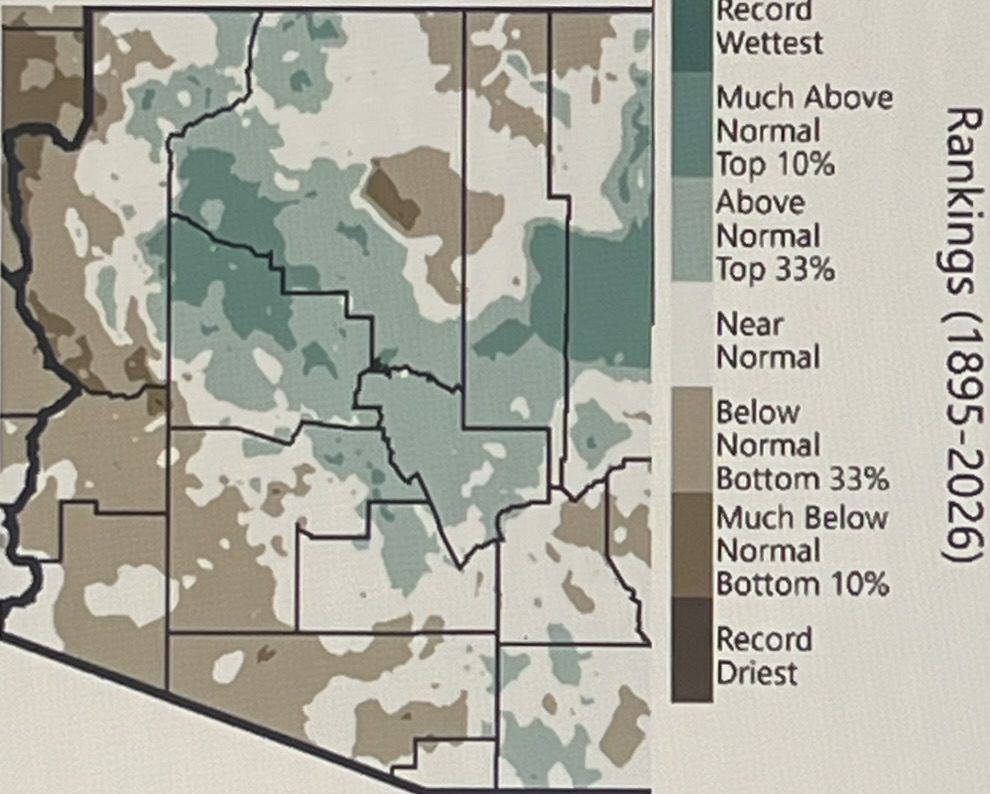
Southwest Precipitation
July 2026 Percentile
July precipitation totals varied across the region, from much-above normal totals in parts of northern Arizona
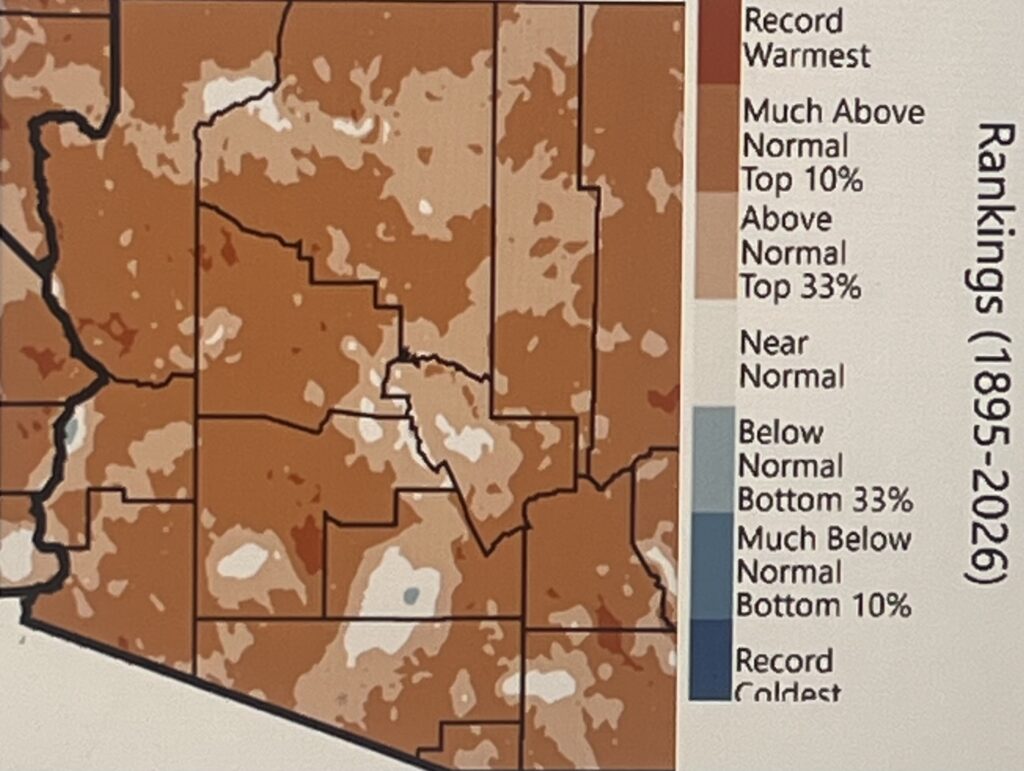
Southwest – Mean Temperature
July 2026, Percentile
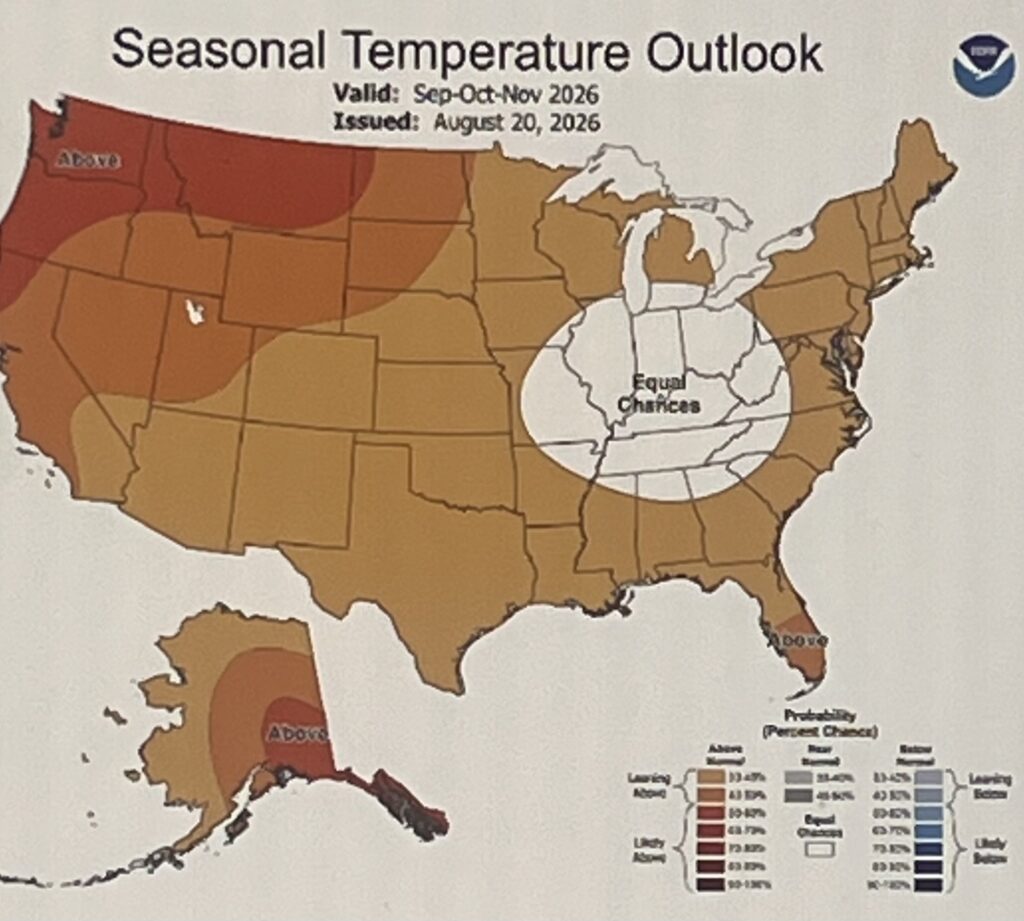
July temperatures averaged much-above normal for most areas of Arizona and New Mexico, meaning the July average temperature ranked among the top 10% of July-average temperatures across all years on record.
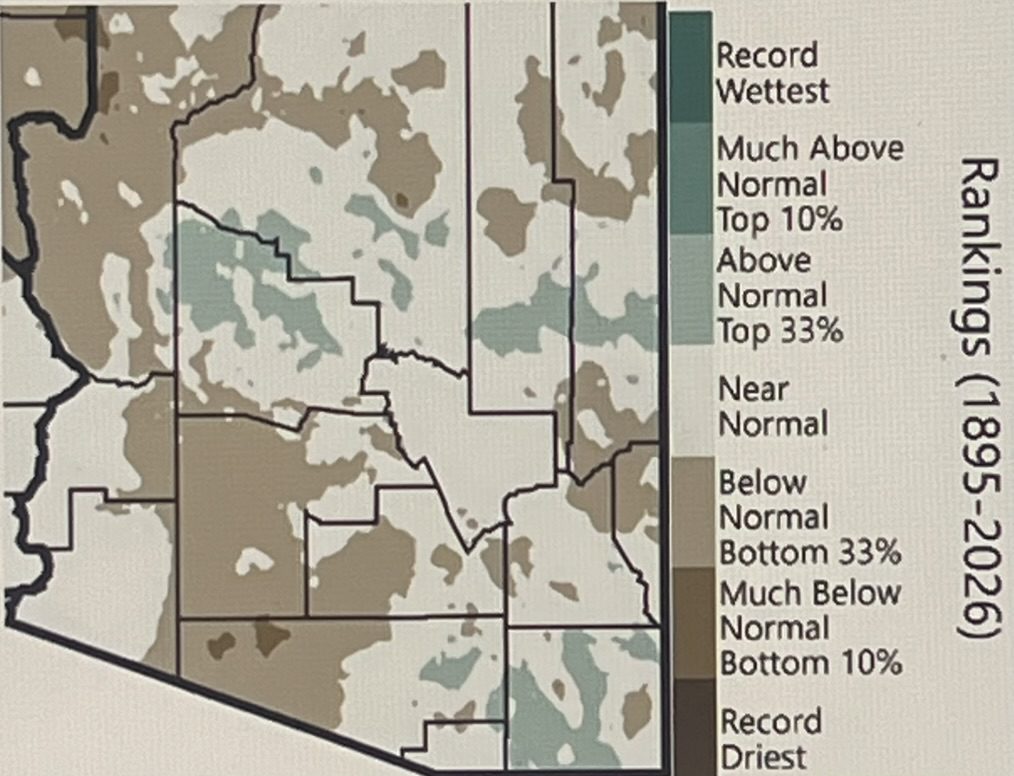
Southwest – Precipitation
October 2025 – July 2026, Percentile
Precipitation totals for the Water Year so far (October 2025–July 2026) are below normal for parts of Arizona. Areas where water year totals are above normal include parts of Cochise and Yavapai counties in Arizona.
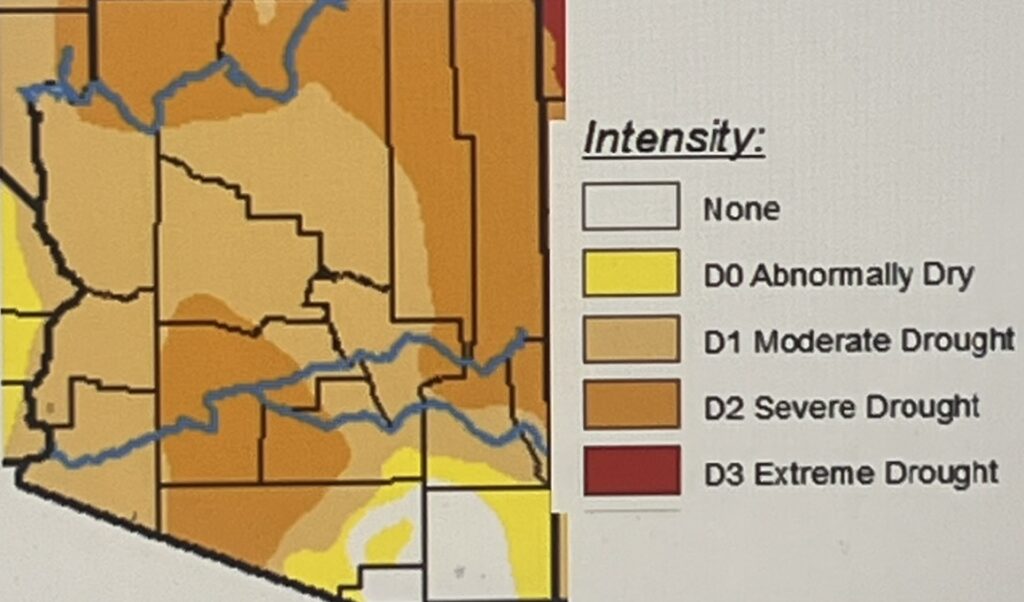
Drought
Drought conditions classified as Moderate (D1) or worse are affecting areas amounting to 89% of Arizona. Some areas of Arizona have seen downgrades of drought intensity.
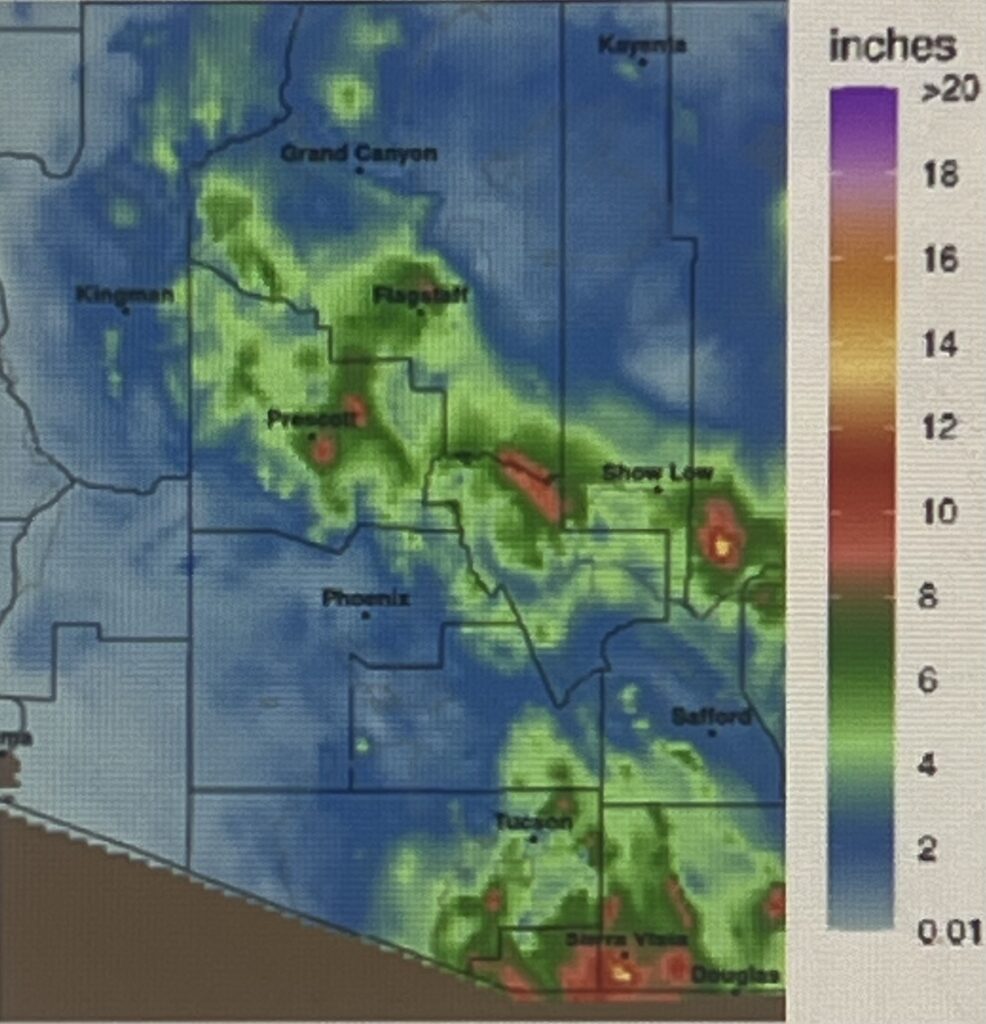
Monsoon
Precipitation totals for the monsoon season so far (starting June 15) range from totals near zero around Yuma, AZ, to over 12 inches in some high-elevation locations along the Mogollon Rim and the mountains of southeastern Arizona. This general pattern is typical for the monsoon because high elevations favor convective storm activity, and areas at the southern extreme of Arizona
Water Supply
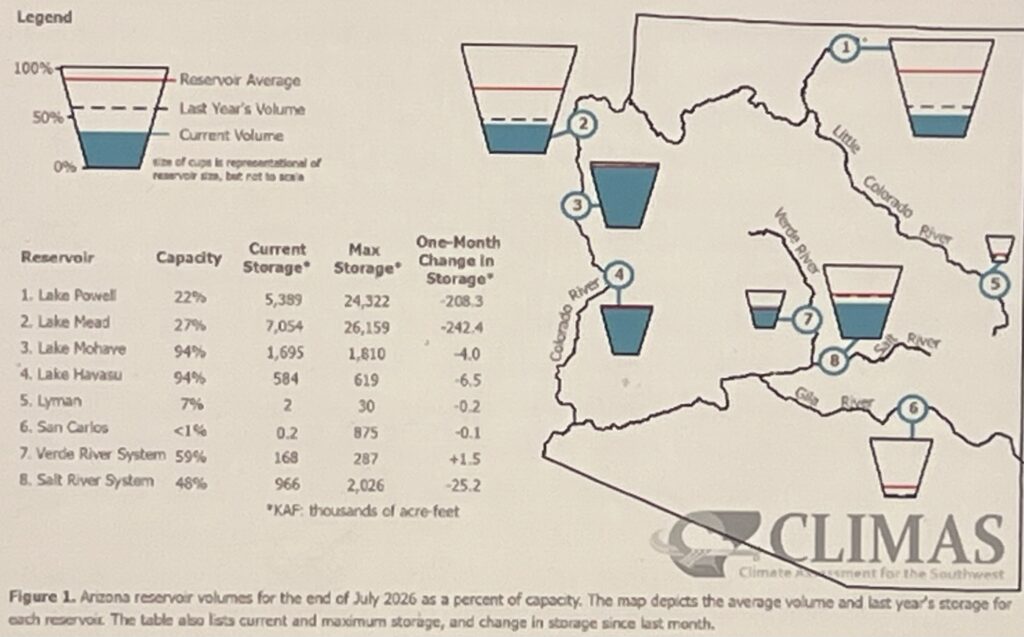
Reservoir storage in Arizona is generally below normal levels for this time of year and down compared to last year, although Verde River reservoirs are near normal. San Carlos reservoir remains near empty from the compounding effects of long-term drought and last fall–spring’s very warm, dry conditions in the Gila River headwaters.
Answer to No. 2
Theodore Roosevelt is the only U.S. president with a national park named after him, but Roosevelt never actually worked as a park ranger — in fact, the only U.S. president to do so was Gerald Ford. In the summer of 1936, Ford worked a seasonal job as a ranger at Yellowstone National Park. His duties included everything from checking vehicle registrations to serving as an armed guard on the park’s now-retired bear-feeding truck. The experience clearly left an impression: Ford later called it “one of the greatest summers of my life” and said he reminisced about it with his family for years afterward. Ford’s summertime stint took place long before he entered politics. At the time, he was in his mid-20s and still mapping out his future after graduating from the University of Michigan with a Bachelor of Arts in economics. He spent several years coaching boxing and football at Yale while working toward a law degree, which he eventually earned in 1941. The future president went on to serve in the Navy during World War II before eventually returning home and entering public life, being elected to Congress in 1948. Decades later, as president, Ford signed legislation expanding the National Park Service, adding 18 sites to the system in which he had once spent a memorable summer as a young ranger. Source: History Facts https://historyfacts.com/famous-figures/fact/gerald-ford-park-ranger/?lctg=32138bc6-62bb-4bf6-8daa-29b1c5fc56d5
Copyright: EniroInsight.org
