
Daniel Salzler No. 1369 EnviroInsight.org Eight Items July 31 2026
—————Feel Free To Pass This Along To Others——————
If your watershed is doing something you would like others to know about, or you know
of something others can benefit from, let me know and I will place it in this Information .
If you want to be removed from the distribution list, please let me know.
Please note that all meetings listed are open.
Enhance your viewing by downloading the pdf file to view photos, etc.
The attached is all about improving life in the watershed through knowledge.
If you want to be removed from the distribution list,
please let me know. Please note that all meetings listed are open.
Check our website atEnviroInsight.org
1. Oak Creek Status Updates
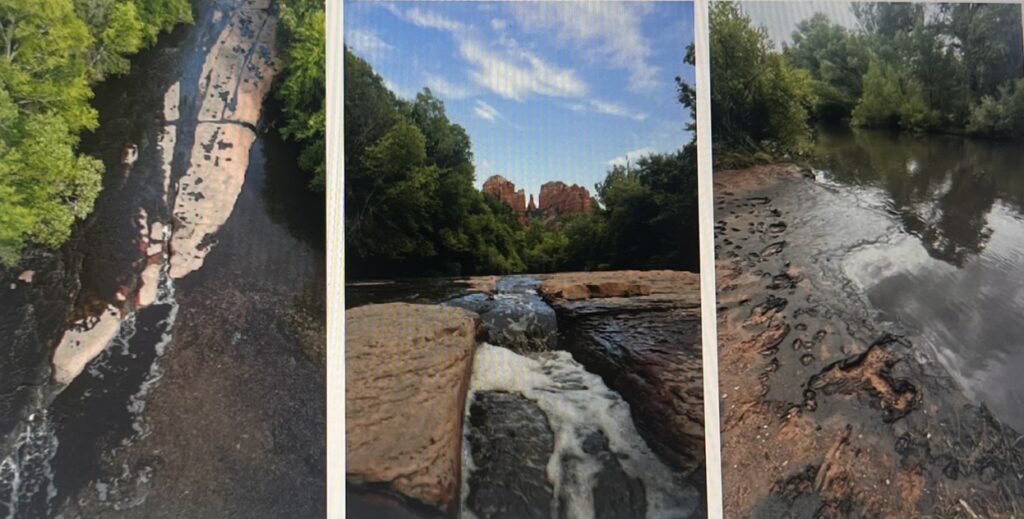
In the wake of the Pocket Fire, there are a lot of questions and concerns from our community. This is to provide as many answers as possible and give some clarity on the current status of Oak Creek.
Pocket Fire
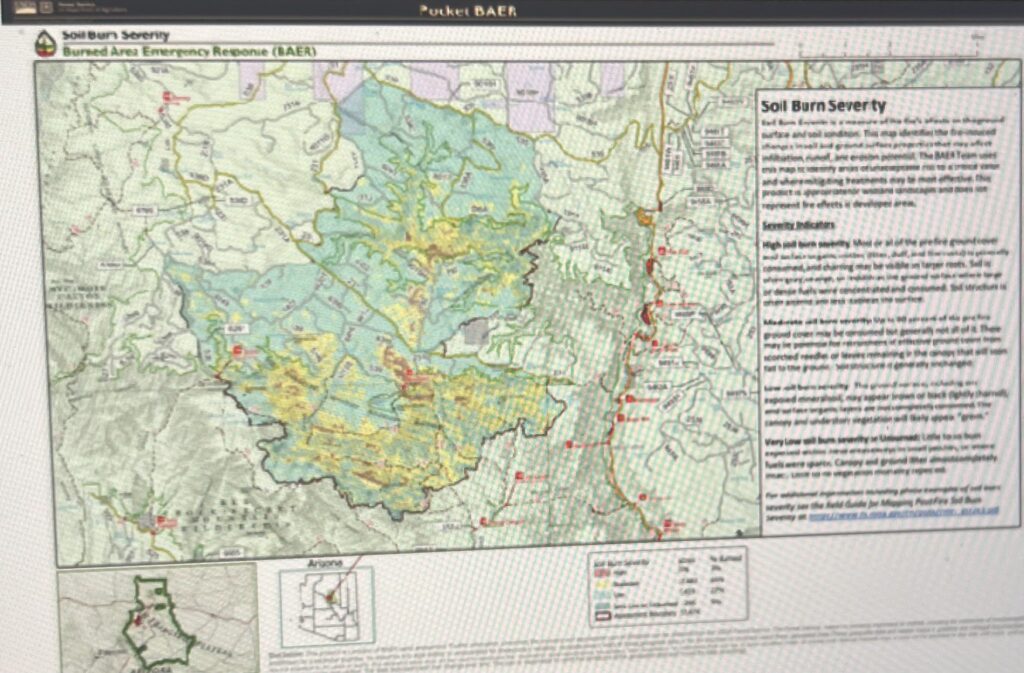
The pocket fire began burning on June 19; crews faced steep and difficult terrain with significantly impacted on-the-ground abilities to firefight. Sections of the 89A between Flagstaff and Sedona were closed until July 13. While the road is currently open again, the creek itself is closed between West Fork/Call of the Canyon and Sedona. This is due to the concerns around post fire flooding, and erosion, which are impacting the creek. As of this writing the creek is scheduled to reopen on August 3.
Water Quality
The amount of clarity reducing suspended particles in the water, is higher below the burn through area due to both ash and sediment from recent rains. Above the burn, the water remains clear.
As expected, these unusually high turbidity levels are contributing to higher level levels of E. coli bacteria. We detected potentially unsafe levels in our below burn sampling site on July 22., with other organizations reporting similar results.
What Can You Do?
Post-fire ecosystems are particularly delicate and prone to harmful disturbances. Here’s how you can help Oak Creek recover:
Respect Creek closures! Any significant stretch of Oak Creek is currently closed. This is to protect both yourself and the creek habitat as Ash and settlement moved through the system.
Volunteer! While it is still too early to begin restoration efforts for the burning area, volunteers are currently being sought by the US for service to help plant trees in several previous wildfires scars.
Donate! The Oak Creek watershed Council is committed to keeping Oak Creek, healthy, and beautiful for generations to come. No more than ever., you’re donation can help us step in and protect this vital waterway. Donate at : https://oakcreekwatershed.org/donate/
2. Climate change made this year’s snow drought in the Western U.S. four times more likely, new Colorado School of Mines study finds
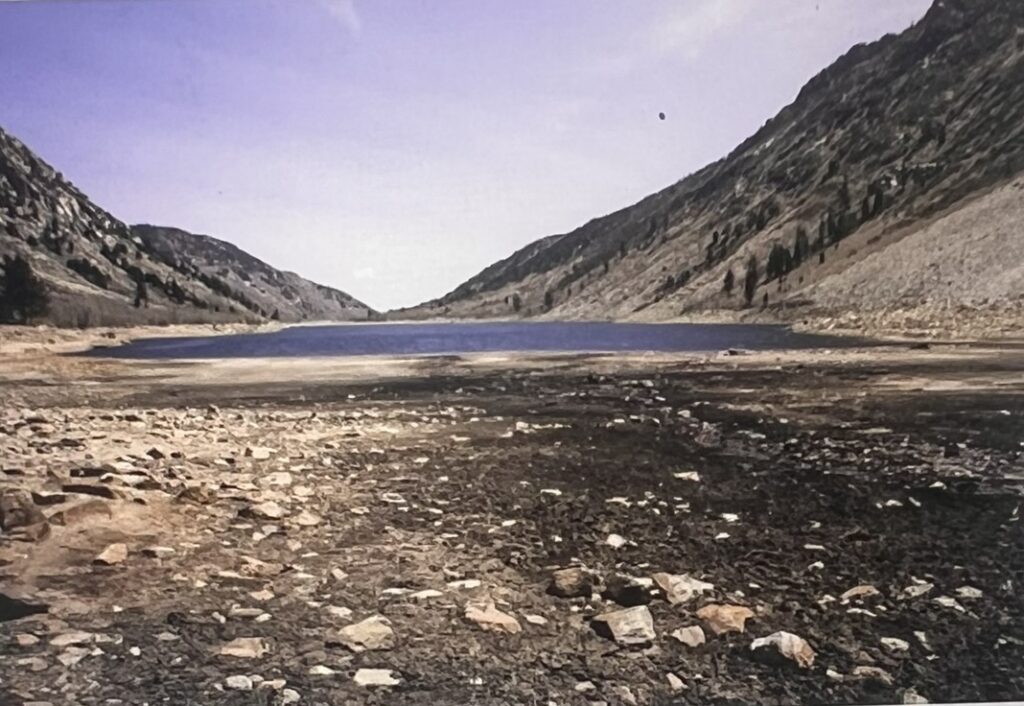
The severe snow drought that gripped the western United States in this past winter was made four times more likely by human-caused climate change, according to a new study led by researchers at Colorado School of Mines and published today in the Proceedings of the National Academy of Sciences (PNAS).
This year’s snow drought was characterized by exceptionally low mountain snowpack across much of the western United States. While precipitation totals were near average in many locations, unusually warm temperatures caused much of the precipitation to fall as rain rather than snow and accelerated snowmelt.
The consequences of low snowpack extend far beyond a bad ski season. Snow stored in mountain watersheds functions as a natural reservoir, gradually releasing water throughout the spring and summer. Reduced snowpack strains water supplies, increases wildfire risk and affects hydropower generation, agriculture and municipal water systems.
The researchers found that the amount of “missing” snow associated with climate change was significant. Across the western United States, the water stored in the form of mountain snowpack during the 2026 event was approximately 40 cubic kilometers lower than would be expected from a similarly rare event in a pre-industrial climate. That volume exceeds the storage capacity of Lake Mead, the nation’s largest reservoir.
The study also examined how the likelihood of similar snow droughts could change in coming decades under a moderately high greenhouse gas emissions scenario.
To read the full paper, “The 2026 western U.S. snow drought was four times more likely due to climate change,” go to https://www.pnas.org/cgi/doi/10.1073/pnas.2612961123. Source: Mines News Room, July 20, 2026
3. After Debate, Arizona Water Bank Will Make Cities Whole During Colorado River Cutbacks.
The Arizona Water Banking Authority told city utilities around the Valley that it will use its stored water to make them whole in the event of cutbacks to their supplies from the Colorado River. The policy, which will be in effect for a year, comes after cities publicly asked the Water Bank for clarity on how much water they could expect to get during times of shortage.
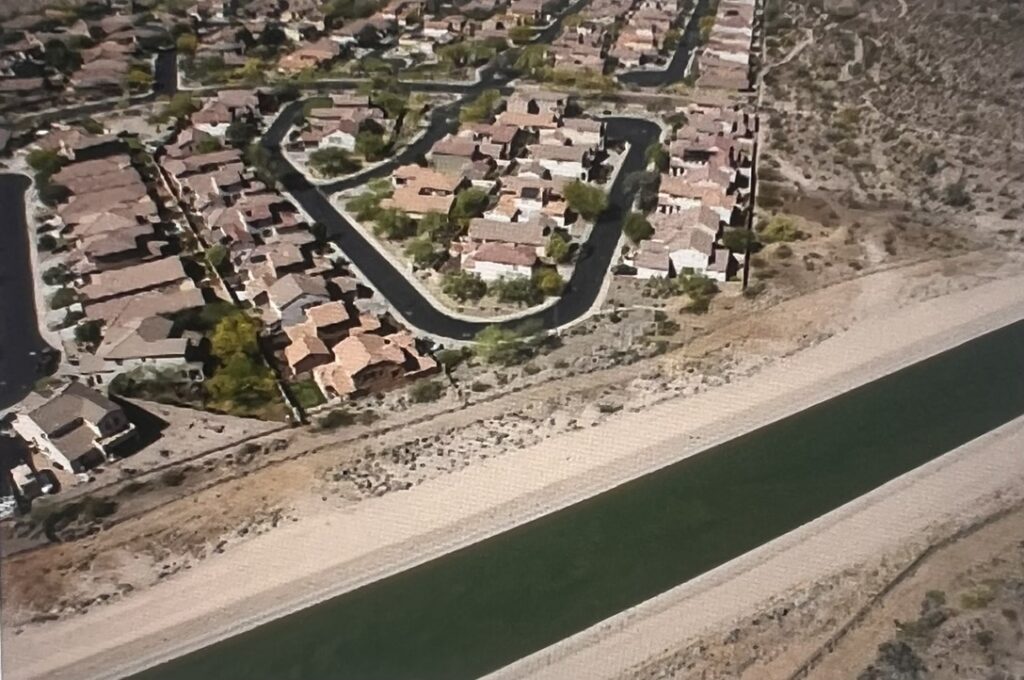
The cities and the Water Bank had been going back and forth about how much water should be distributed. Now, with Colorado River cuts imminent, there’s an answer.
Since the late-1990s, taxpayers have been funding a program to store excess Colorado River water underground, with the idea that it could be used as a backup in times of shortage. Now, that shortage is here. The Colorado River does not have enough water to fully meet demand across the seven states that use it.
A new federal plan, which is expected to be unveiled next week, will likely attempt to rein in demand by cutting back on the amount of water that flows to the Central Arizona Project. The CAP is a 336-mile canal system that brings Colorado River water to the Valley. A certain subset of the water in that canal is classified as “Municipal and Industrial.” Water from that category is often a major part of the supply for cities in the Phoenix metro area.
The Water Bank argued that it had the right and responsibility to stretch out those supplies and preserve them long into the future. To do that, the Water Bank would have given cities some water, but not 100% of the amount they had lost to cutbacks.
After some public back-and-forth, the utilities seem to have gotten their way, at least for a year.
EPCOR, a private utility company that provides water to a number of communities around the Valley, supported the Water Bank’s policy.
“I don’t think it was ever envisioned to be a super long-term water supply that would be here for many, many, many years,” said Doug Dunham, associate director of water resources for EPCOR USA. “It’s going to be a temporary bridge, and we need to make the most judicious use of that as possible.”
Dunham said the yearlong time frame will give water providers in the area some time to come up with longer-term plans for withstanding a drier future.
Dunham specifically mentioned the SWAP program, a new effort by Phoenix and Tucson to help cities looking to buy water find entities that are looking to sell it. Water transfers and sharing deals may be a big part of utilities’ strategies going forward.
Max Wilson, water resources management advisor for the city of Phoenix and one of the designers of the SWAP program, said that the Water Bank’s one-year policy would bring some predictability to cities trying to plan their water portfolios going forward.
“Obviously, a one-year extension is only a one-year extension, and it remains to be seen what the policy will be moving forward after that,” he said. “But I would say going into 2027, extending this policy for one year should give everybody who lives in the three-county service area peace of mind.”
Terri Sue Rossi is vice president of water resources for the Arizona Water Company, a private utility that serves about 300,000 people across the state. She described her perspective as “unique,” as she has worked for city utilities, private water providers, and spent about seven years employed by the Water Bank itself.
Rossi said “there was never a requirement” that the Water Bank needed to distribute all of its water access to utilities in “one fell swoop.” Instead, she said, access to water was intended to be distributed “judiciously over time.”
“I liken the bank credits more to an insurance policy against shortages in the Colorado River,” Rossi said. “I don’t look at it as an IRA, I don’t look at it as a social security check or a pension check. It really has always been intended to protect us and to mitigate — to a degree — shortages.”
The bank, she said, would be within its legal rights to do so.
“The bank has the discretion to decide how many credits it will distribute,” Rossi said. “Whether that’s nothing, 15%, 20% or 100%. It has the authority to do that. It doesn’t need a policy to tell it to do that.”
A similar debate over the Water Bank’s rights and responsibilities may get stirred up again when the current policy expires in a year, but the bank and the utilities will likely have more time and space to discuss their differences without the imminent threat of to-be-announced water cutbacks hanging over them.
The future will also likely bring discussion of a second policy proposed, but not formalized, by the Water Bank. Under that policy, utilities that voluntarily give up water as part of a cutback plan put forth by Arizona, California and Nevada, would be given some water from the Water Bank to offset some of the supplies they left behind in Lake Mead. Souce:KJZZ July 22, 2026

4. Why Goodenough Was Much Better Than Good Enough. In 2019 John B. Goodenough (1922 – 2023), at the age of 97 became the oldest person to win a Nobel prize in chemistry for his breakthrough work in his developing the lithium ion battery which powers, cell phones, laptops, computers, and electric vehicle of today. Source: AARP
5. Arizona Attorney General Challenges EPA Plan to Remove Drinking Water Limits for Four PFAS Chemicals
Arizona joined 18 other jurisdictions opposing a federal proposal that would eliminate requirements covering several so-called forever chemicals, including GenX.
Arizona is pushing back against a proposed change to federal drinking water standards that could reduce monitoring and treatment requirements for several PFAS chemicals.
Attorney General Kris Mayes joined a multistate coalition this week in filing formal comments opposing the Environmental Protection Agency’s proposal to rescind limits established in 2024 for four types of PFAS. If the change takes effect, federal rules would no longer require public water systems to test for, report or treat drinking water specifically for those four chemicals.
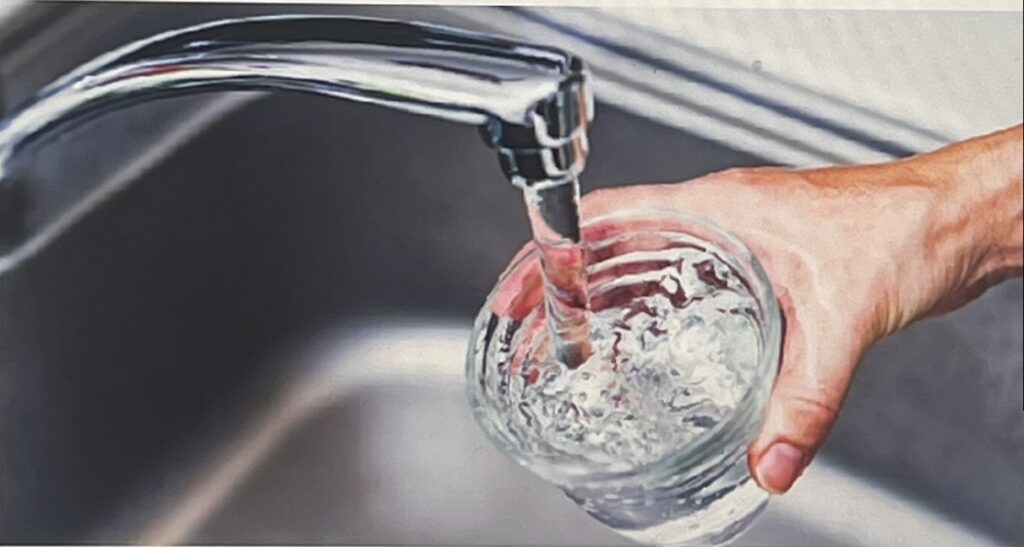
PFAS are a broad group of persistent chemicals used in manufacturing and consumer products. Their resistance to breaking down has earned them the name “forever chemicals,” and research has associated exposure to certain PFAS with a range of potential health effects.
The states contend that reversing the standards would conflict with provisions of the federal Safe Drinking Water Act designed to prevent weakening existing public-health protections. They also argue the EPA has not adequately evaluated the potential consequences of eliminating the requirements.
For Arizona, where long-term water security and groundwater quality are already major policy concerns, the dispute adds another federal-state fight over how drinking water should be regulated. The EPA proposal has not yet become final. Source: https://www.allaboutarizonanews.com/arizona-attorney-general-challenges-epa-plan-to-remove-drinking-water-limits-for-four-pfas-chemicals/
6. Historically Low Water Levels In Lake Powell And Lake Mead Threaten Water And Power For Millions. The combined water level in two of the United States’ biggest reservoirs, Lake Powell and Lake Mead, has fallen to a historic low, in what experts are calling a significant moment in the Colorado River crisis — threatening a water system that supplies tens of millions.
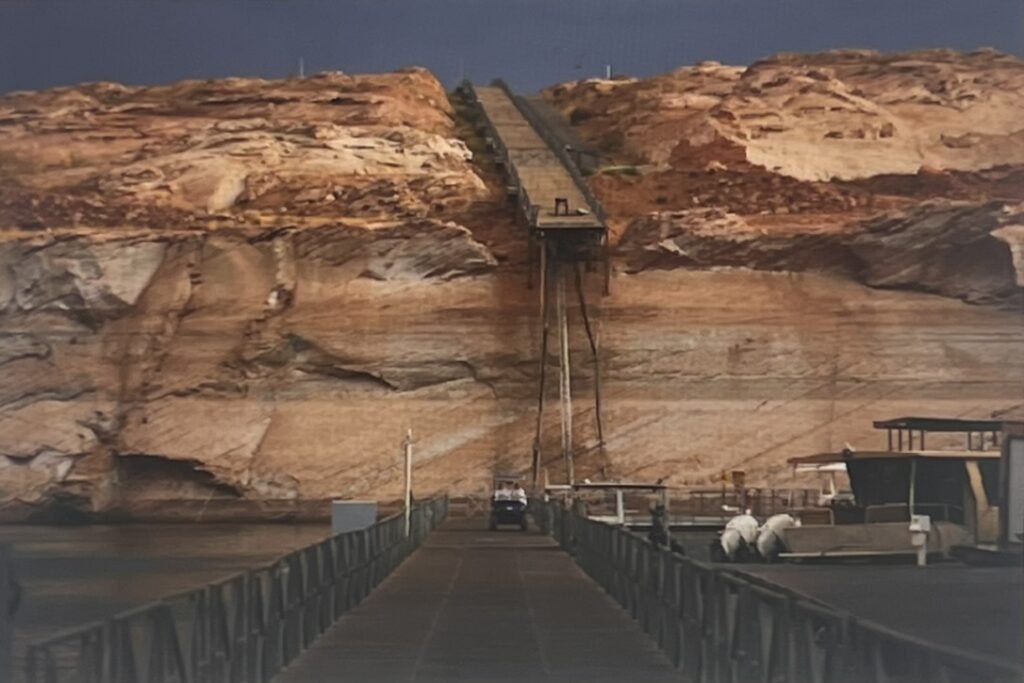
On July 12, Lake Powell was at 3,524 feet and Lake Mead was just under 1,043 feet, breaking a record set in March 2023, according to an analysis published by five Colorado River experts last week. Together, the two reservoirs haven’t been this low since 1957, during the construction of the Glen Canyon Dam, before Lake Powell even existed.
It’s “a milestone in the history of water storage in the Colorado River Basin,” said Jack Schmidt, director of the Center for Colorado River Studies at Utah State University and an author on the analysis. The record reveals “the seriousness of the uniquely small amount of water that is presently stored in the basin’s reservoirs,” he added.
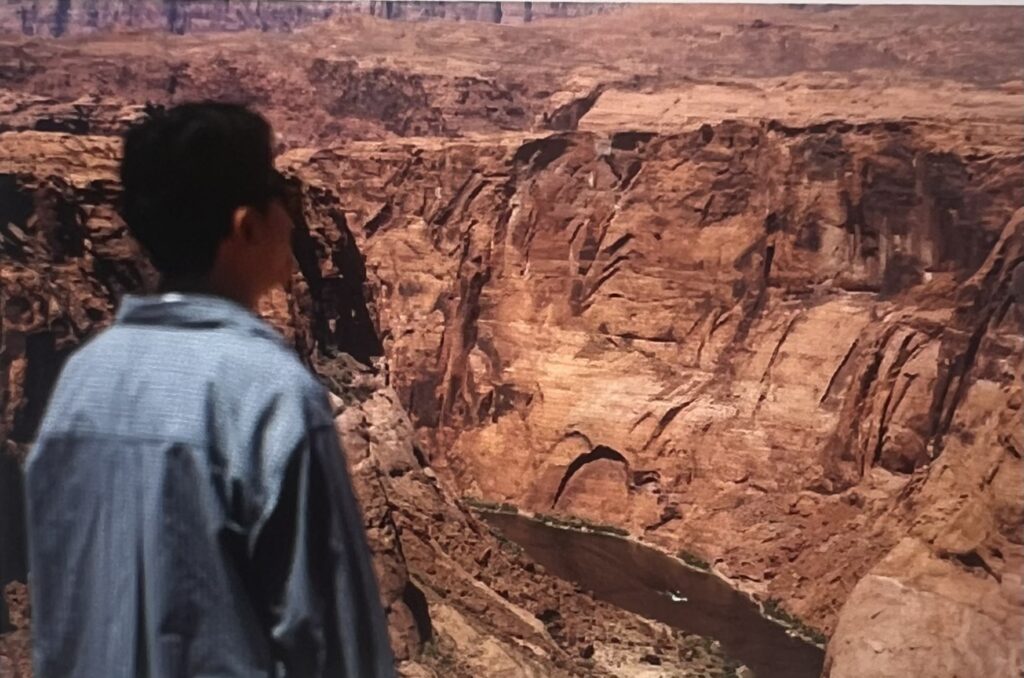
The Colorado River is the lifeblood of the Southwest. It irrigates more than 5 million acres of farmland, generates enough electricity to power around 700,000 homes and provides water for 40 million people. The headwaters of this 1,400-mile long artery are in the Rocky Mountains, fed by melting snowpack. The river flows across seven states, filling Lake Powell and Lake Mead as it winds toward the Gulf of California. The two lakes, which are essentially one gigantic reservoir separated by the Grand Canyon, hold just under 60% of the total water currently stored in the basin.
The Colorado River has shrunk rapidly over the past 25 years as water demand has boomed and climate change has delivered hotter, drier weather and dwindling snow. Today, 95% of the basin is in drought.
Last winter was not kind. The western US had one of the driest, warmest winters on record, leaving the region in a snow drought. Snowpack acts as a natural water tower, and without enough the reservoirs are suffering.
Levels in both lakes have fallen further since the record was first set last week. Lake Powell, currently 23% full, is at its lowest level on record for July, and, based on current rates of decline, could reach its all-time record low sometime next month. Lake Mead is 27% full and less than a foot from its all-time record low, set in July 2022.
The researchers predict Lake Mead and Lake Powell will set a new record low for their combined water storage every day from now until next spring, when the runoff from the winter snowpack starts to replenish water levels.
Lake Powell could fall so low by spring 2027 that it reaches “minimum power pool” level, meaning its dam will no longer be able to generate hydropower, according to a July report from the Bureau of Reclamation.
This report “highlights the ongoing vulnerability of the Colorado River system and reinforces the urgent need for updated guidelines and procedures,” said a Reclamation spokesperson.
Things could get even worse, experts say. “The low reservoir levels are a dramatic signal that the system is at risk of crashing, meaning reservoir levels so low that water cannot be delivered from them,” said Sarah Porter, director of the Kyl Center for Water Policy at Arizona State University.
It may influence the fraught negotiations between the seven states on how to share the Colorado River’s diminishing water.
Under the 1922 Colorado River compact, the four states in the Upper Colorado River Basin (Colorado, New Mexico, Utah and Wyoming) are allotted 7.5 million acre-feet of water every year and another 7.5 million goes to the three in the Lower basin (California, Arizona and Nevada).
The shrinking river means states are going to have to accept less, but how this works in practice has yet to be ironed out. A federally-imposed February deadline for states to agree came and went with no deal.
The shrinking river means states are going to have to accept less, but how this works in practice has yet to be ironed out. A federally-imposed February deadline for states to agree came and went with no deal.
The negotiations are complex, Porter said. States are being asked “to agree to deep cuts and potentially new and complex management strategies that they have to go back to their states and ‘sell’ to their water users and decision makers.” But, she added, “the new low may be a catalyst.”
On Tuesday, Interior Secretary Doug Burgum held a virtual meeting with governors of the seven basin states to address the state of the Colorado River. In a statement afterward, he praised the governors “for their leadership and commitment to finding solutions to address drought conditions” and said, “Interior remains focused on establishing a new operating framework.”
The Bureau of Reclamation will release new operating guidelines in the coming weeks, “providing a robust framework for managing future river operations and addressing the challenges ahead,” the spokesperson said. Source: CNN
7. .Building Strong Community Relations. A SWANA (Solid Waste Association Of North America) Soft Skills Webinar | August 20 | 2:00 p.m. EDTX.
Have you ever struggled with gaining public support for your waste and resource management facilities and programs, or dealt with pushback from community members? Public perception can shape project success, so it is key to earn trust and strengthen community communications.
Join SWANA forBuilding Strong Community Relations, a soft skills webinar for waste & resource management professionals, where you’ll learn
- How to develop an effective Community Relations Plan
- Strategies for “controlling the message” without creating a bunker mentality
- The role of active listening in understanding community concerns
- Approaches for proactive stakeholder engagement
- Best practices for responding to misinformation and public opposition
- Ways to leverage social media to build trust and transparency
This webinar brings together solid waste professionals from across the country to discuss the importance of developing a strong Community Relations Plan while providing tips and techniques that have been successfully employed to improve relationships with neighbors, municipalities, and regulators. Attendees will learn practical approaches to conveying “your story” and “controlling the message” including using the art of active listening to get to know your audience, understanding the fears of your neighbors, providing pro-active community outreach, working with social media to avoid “bunker mentality”, and successfully responding to misinformation.
8. In These Times Of High Heat, Water Smarter, Not Harder . This information should be applied to trees, shrubs, grass, vegetables, potted plants and anything you’re trying to grow outdoors.
Water early in the morning when temperatures are cooler. This reduces evaporation and gives the soil and plant roots more time to absorb moisture.
Water the soil, not the leaves. Plants absorb most of their moisture through their roots. Use soaker hoses around the drip line of trees and shrubs.
Water deeply and less often. Apply water slowly so it has time to soak into the soil instead of running off. Deep watering encourages stronger, deeper roots that are better equipped to handle dry conditions.
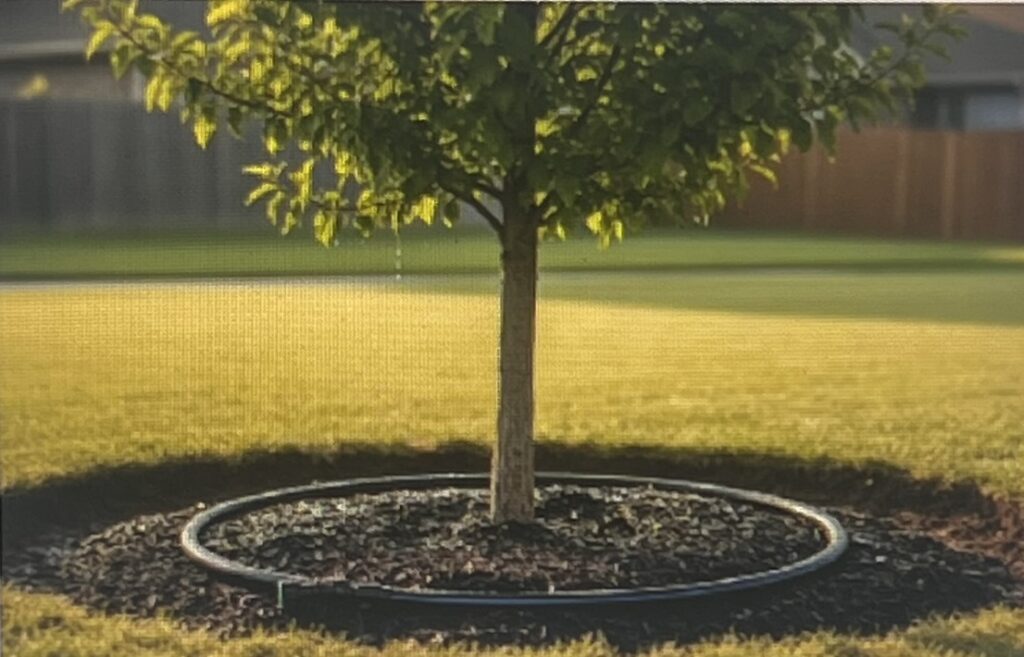
Don’t leave soil bare. A layer of mulch or a cover crop helps conserve moisture, suppress weeds, insulate the soil, and improve soil health over time.
Copyright 2026 @ EnviroInsight.org
