
—————Feel Free To Pass This Along To Others——————
If your watershed is doing something you would like others to know about, or you know
of something others can benefit from, let me know and I will place it in this Information .
If you want to be removed from the distribution list, please let me know.
Please note that all meetings listed are open to the public.
Enhance your viewing by downloading the pdf file to view photos, etc.
The attached is all about improving life in the watershed through knowledge.
If you want to be removed from the distribution list,
please let me know. Please note that all meetings listed are open.
Check our website at EnviroInsight.org
- CLIMAS – Southwest Climate Outlook
El Nino Highlight
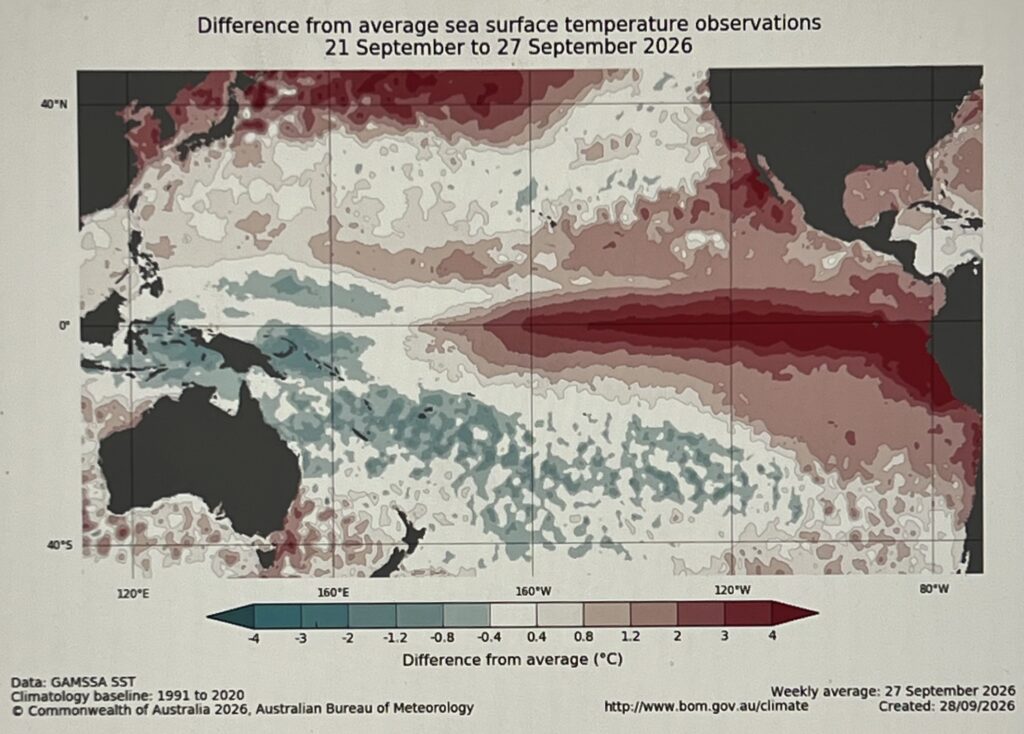
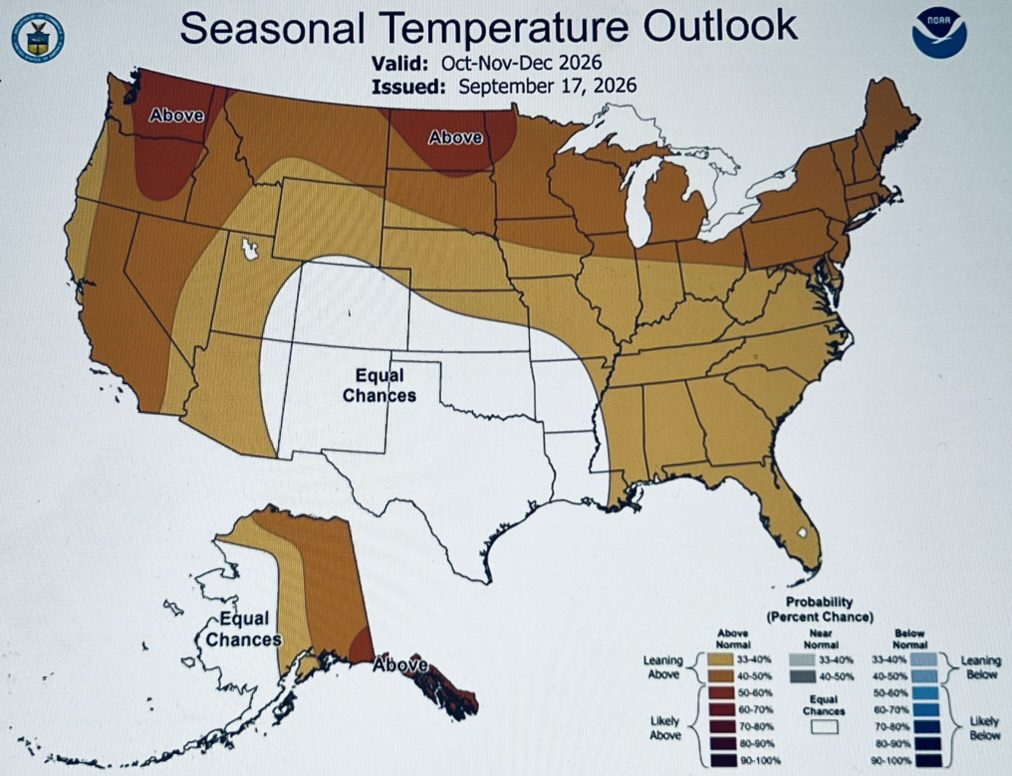
El Niño conditions in the Pacific have been strengthening, with recent sea surface temperatures along the equator in the east central Pacific rising into the range that qualifies the event for Very Strong El Niño status, the highest of four categories of El Niño strength. El Niño is expected to continue strengthening before peaking some time before the end of the year, but El Niño conditions will very likely persist into spring.
Enhanced tropical storm activity in the East Pacific, associated with El Niño events, has been contributing to recent waves of excessive precipitation in the Southwest. Tropical storm activity will continue in October but impacts to the Southwest will be contingent on interactions with the varying large-scale wind patterns and other weather systems.
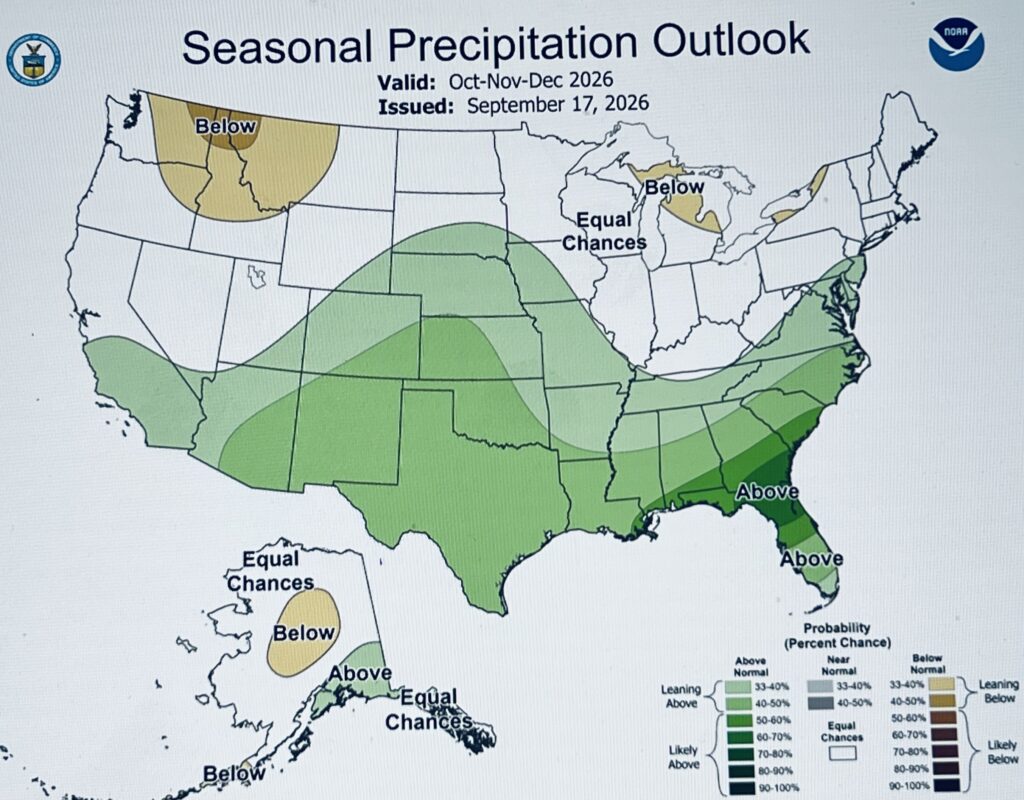
El Niño conditions through the cool season means increased chances of above normal precipitation, fall–spring.
A stronger El Niño does not necessarily translate to greater impacts on seasonal climate in the Southwest, but it does lend increased confidence to the forecast of a general tendency toward wetter-than-normal conditions.
Southwest Precipitation (Aug 2026 Percentile)
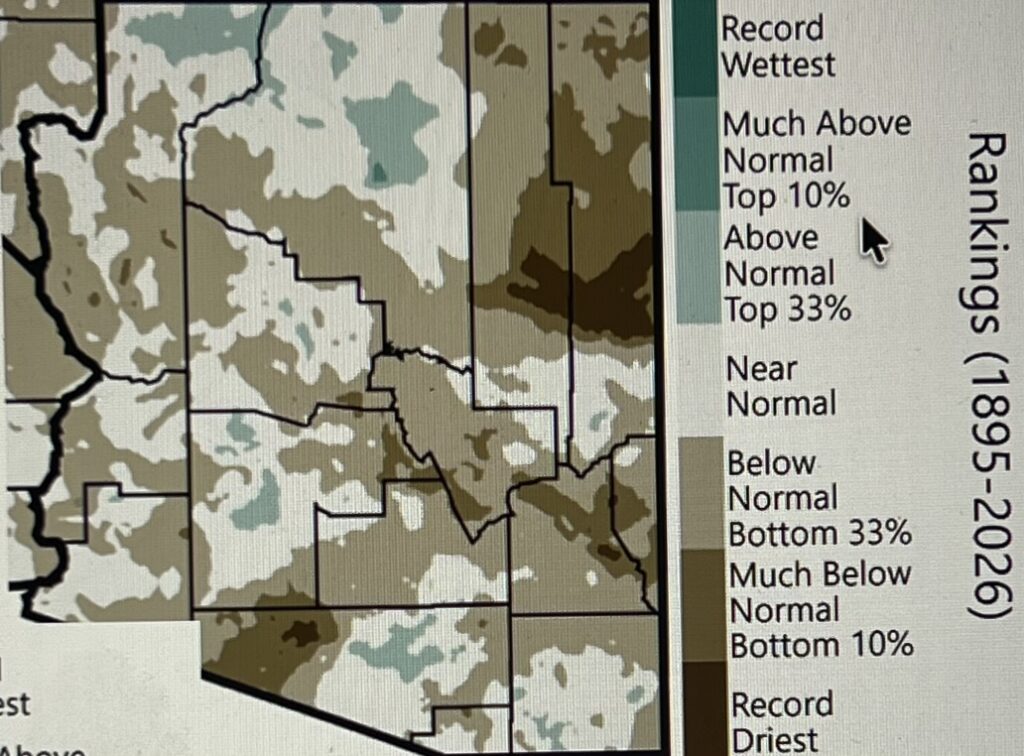
August precipitation totals were below normal for much of Arizona and all but a few areas of New Mexico. Many areas saw precipitation totals falling in the much-below normal range, comparable to the driest 10% of Augusts on record. For some areas, this was the driest August on record—parts of Apache and Navajo Counties in Arizona.
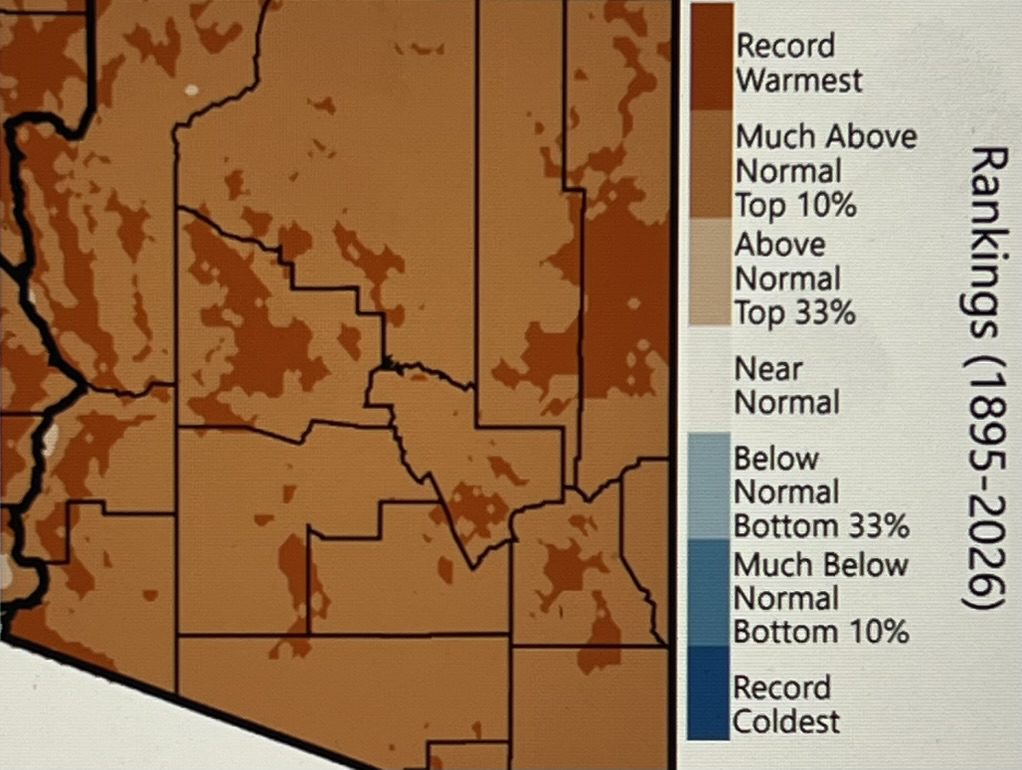
Southwest Mean Temperature (Aug 2026, Percentile)
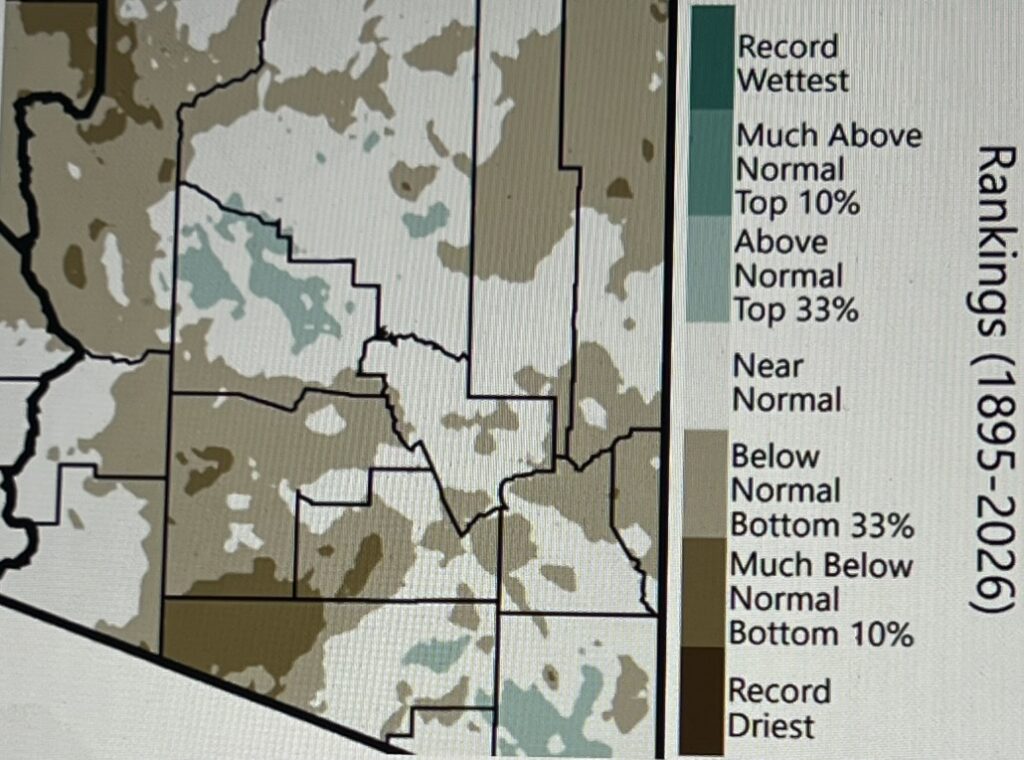
Southwest Precipitation : October 2025 to August 2026, Percentile
Precipitation totals over the water year so far (October 2025–August 2026) are below normal across all but a few parts of New Mexico, and much of the state saw totals that rank among the bottom 10% of years on record. Totals in Arizona generally fall in the near normal range or the below normal range, with only a few areas seeing much-below normal totals, and a few areas seeing above normal totals.
Drought
Drought conditions classified Moderate (D1) to Severe (D2) are widespread in Arizona, despite some improvement of conditions over the past month in areas of Yavapai and Coconino Counties, and in the southeast part of the state.
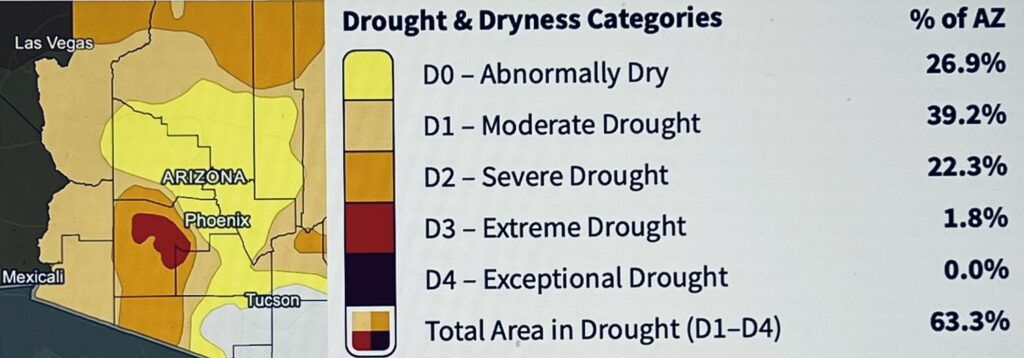
Source: https://storymaps.arcgis.com/stories/f95252b525d64a26b3ec320fc5184c8c
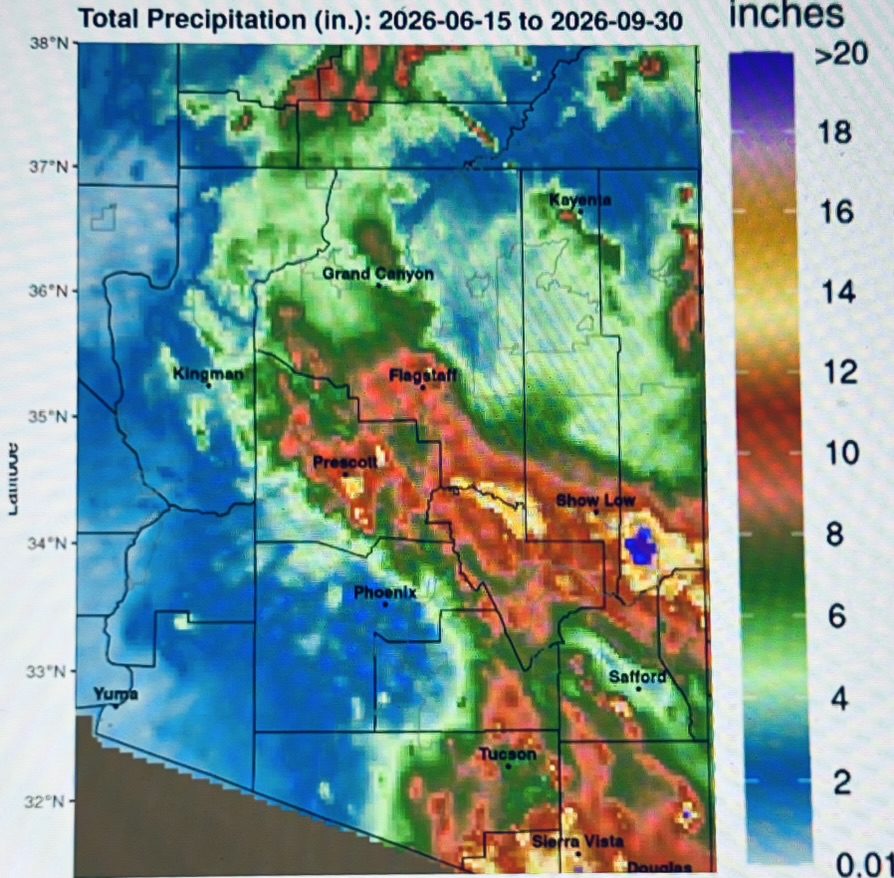
Monsoon
Monsoon rainfall totals (precipitation since June 15) vary across the region, from under an inch in western parts of Arizona, to more than 20 inches, estimated for the White Mountains of Arizona and the Mogollon Mountains of New Mexico.
Water Supply
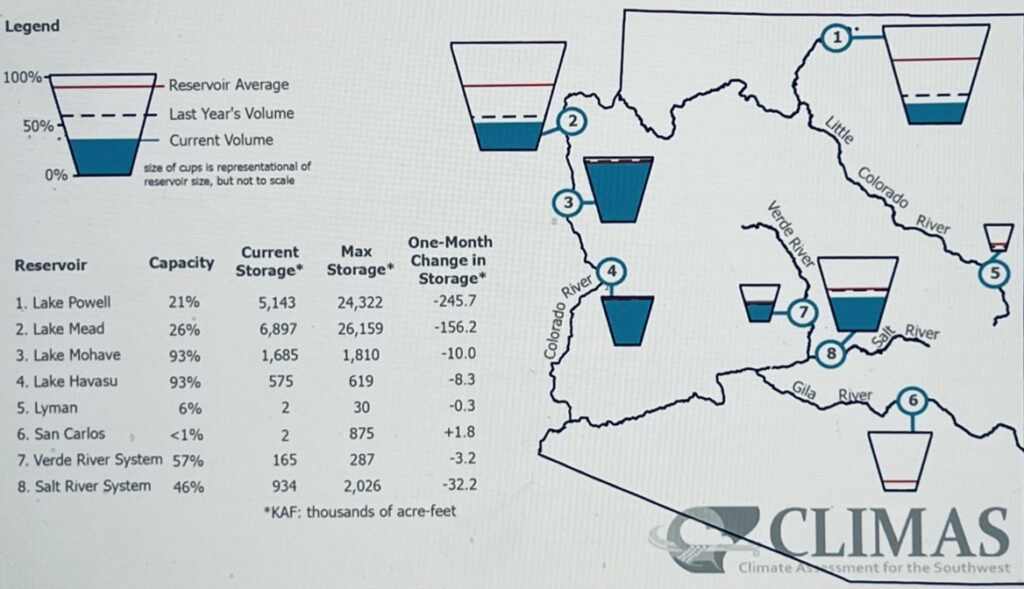
Arizona reservoir storage is generally below normal levels for this time of year and down compared to last year. Verde River reservoirs are an exception, at near normal levels. San Carlos reservoir remains near empty from the compounding effects of long-term drought and very warm, dry conditions in the Gila River headwaters last fall–spring.
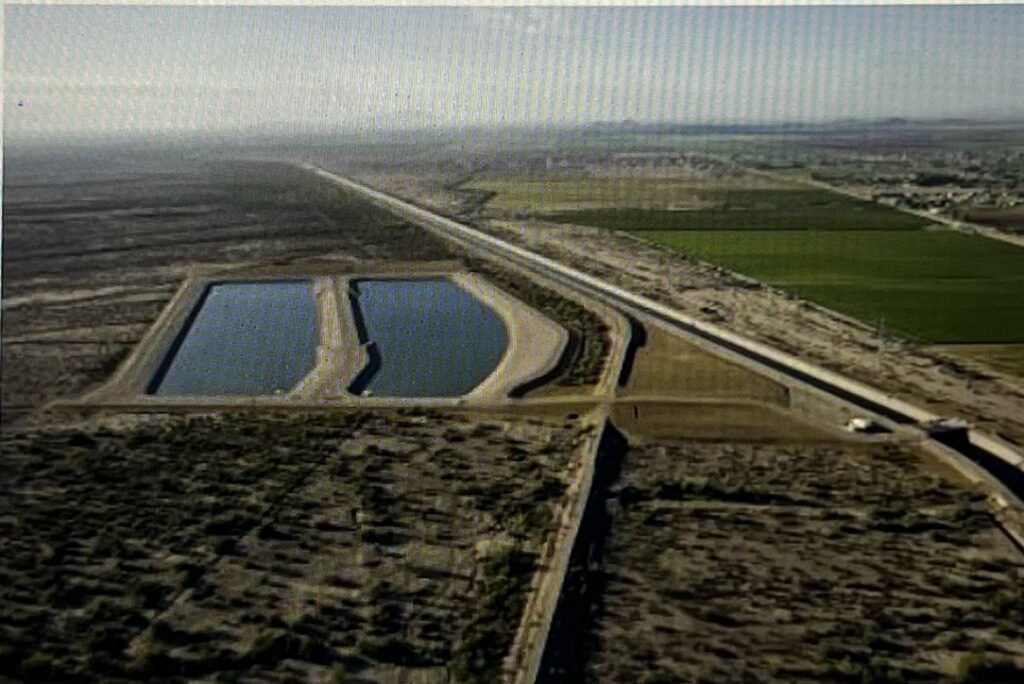
2. The Arizona Water Banking Authority Undergoes A Change Of Direction. A system created to beneficially utilize the State’s full entitlement of Colorado River water by storing unused water for future use has been thrown into reverse.
Published October 1, 2026
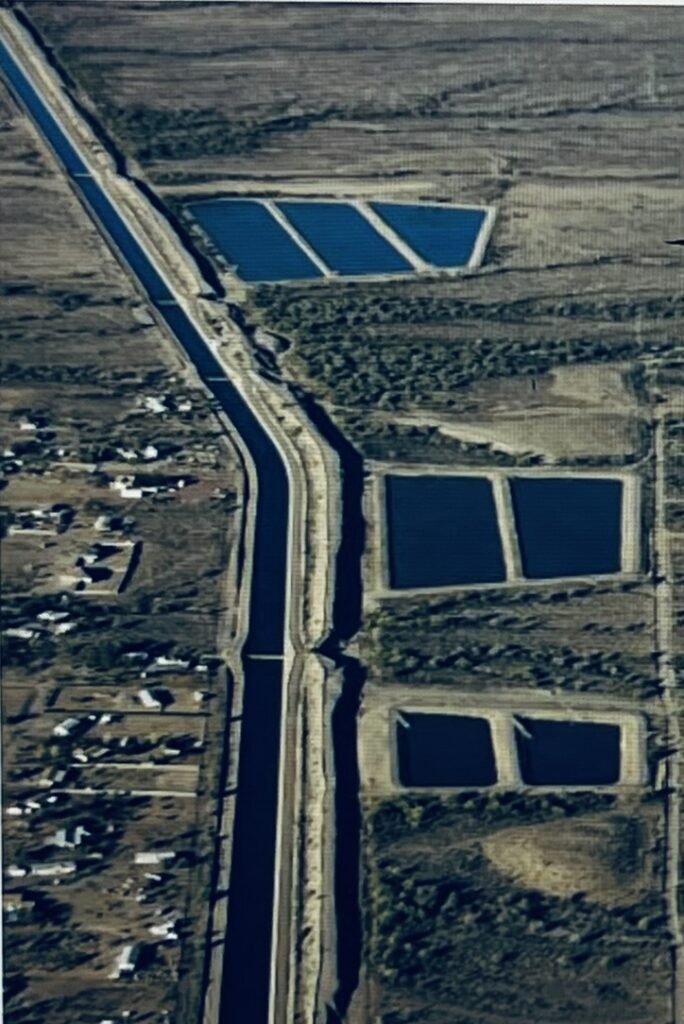
Oh, for those halcyon days of simply arranging for storing “excess” water.
“We have a very specific mission. We are responsible on behalf of the state of Arizona for (Tribal) firming, pursuant to the Arizona Water Settlements Act of 2004. ‘Firming’ means providing backup water supplies and we also have Long-term Storage Credits for Central Arizona Project municipal and industrial subcontractors, certain Priority 4 Colorado River water users, that experience shortages on the Colorado River, as well as for the Southern Nevada Water Authority.
“Because of shortages on the river, we have started to distribute some of the water that we’ve accrued,” explained Bernat.
In an effort to answer those questions, the Water Bank staff has conducted studies that project out the depletion rate of those Long- term Storage Credits. The results of that research were made public in 2023 and are available on the Water Bank’s website.
The amount of Long-term Storage Credits that the bank has available can be found in the Water Bank’s 2025 Annual Report.
3.The States’ Agreements For The Colorado River Have Expired, What Happens Next?
Oct 02, 2026 Colorado River Collaborative SALT LAKE CITY — The multi-state agreements managing the Colorado River for decades now have officially expired.
When the clock struck midnight on October 1, the agreements ended. In their absence, the Trump administration is now managing the water for more than 40 million people across the American West until the states can get a deal together.
“I don’t think you’ll notice anything different as far as the river’s concerned,” Gene Shawcroft, the Colorado River Commissioner for Utah, said in an interview with FOX 13 News.
“Our water supplies are not changed for the remainder of 2026. The beginning of the new Water Year, Oct 1, begins a new ‘Lake Powell to Lake Mead’ release pattern. But any impact to Arizona’s water supplies under the new guidelines don’t occur until Jan1 2027,” Tom Buschatzke, the Colorado River Commissioner for Arizona, said in a statement to FOX 13’s sister station ABC15 in Phoenix.
Upper Colorado River Basin states like Utah have argued they can’t cut any more as they are on the front lines of a horrible hydrology and limited snowpack.
“There’s just not water to cut back. We are cut back not by a piece of paper or an agreement, we’re cut back just by the fact we don’t have snow in the mountains,” Shawcroft said.
But he fears that may not be the end of it.
“If next year is as dry as this year, there will be, I don’t want to get people nervous, but there will be draconian changes on how things are at play,” Shawcroft warned. “We could end up in a situation where we’ve released a million acre feet from Flaming Gorge, maybe another half. Beyond that, there’s not that much water to release from Flaming Gorge.”
“We put that together with the Bureau of Reclamation, we’ve sent that to the Lower Basin states for comments,” he said. “We understand the Lower Basin states are trying to again conclude how they’re going to share those shortages. Until they conclude how they’re going to share those shortages, it doesn’t make a lot of sense for us to try to get back together.”
“It’s not an easy problem to solve. The problem is, 100 years ago when the Colorado River compact was agreed to, there was more water than what we currently have today,” House Speaker Mike Schultz, R-Hooper, told FOX 13 News on Thursday. “The Upper Basin states including Utah have taken those cuts over those hundred years. The Lower Basin states, since Lake Powell and Mead, haven’t had to take those cuts. The reality is now facing them.”
While they would prefer a states-led deal, some environmental groups say neither the states nor the feds are addressing the bigger realities of the situation and less water.
“It is not going to solve the fundamental issue at the heart of the Colorado River crisis,” said Zanna Stutz of the Glen Canyon Institute. “We are continuing to just kick the can down the road.”
The Glen Canyon Institute is among those who have called for re-evaluations of the river’s operations and questioned the viability of Lake Powell and Glen Canyon Dam going forward. The lake is currently at about 22% capacity and has hit new lows not seen since the Glen Canyon Dam was constructed in the 1950s. The group has pushed for filling Lake Mead and letting Lake Powell go.
“We should be seeing reservoir consolidation be on the table. We should be seeing infrastructure modification, particularly at Glen Canyon Dam, be on the table in order to deal with this dryer hydrology,” Stutz told FOX 13 News.
Republican Utah political leaders have made it clear they would not support letting Lake Powell go.
Meanwhile, Shawcroft said he hopes the states can reach a deal and address hydrological issues.
“As always is the case, I’m convinced and committed to working on a seven state agreement. I believe the states can come to a better resolution than the feds,” he told FOX 13 News. “But in the meantime, if we don’t come to an agreement, we know what’s going to happen in ’27, we know what’s going to happen in ’28.”
This article is published through the Colorado River Collaborative, a solutions journalism initiative supported by the Janet Quinney Lawson Institute for Land, Water, and Air at Utah State University. See all of our stories about how Utahns are impacted by the Colorado River at greatsaltlakenews.org/coloradoriver
Copyright 2026v @ EnviroInsight.org
